• HOME
  • NEWS
  • EXPLORE
    • CAREER
      • Companies
      • Jobs
    • EVENTS
    • iGEM
      • News
      • Team
    • PHOTOS
    • VIDEO
    • WIKI
  • BLOG
  • COMMUNITY
    • FACEBOOK
    • INSTAGRAM
    • TWITTER
Sunday, January 11, 2026
BIOENGINEER.ORG
No Result
View All Result
  • Login
  • HOME
  • NEWS
  • EXPLORE
    • CAREER
      • Companies
      • Jobs
        • Lecturer
        • PhD Studentship
        • Postdoc
        • Research Assistant
    • EVENTS
    • iGEM
      • News
      • Team
    • PHOTOS
    • VIDEO
    • WIKI
  • BLOG
  • COMMUNITY
    • FACEBOOK
    • INSTAGRAM
    • TWITTER
  • HOME
  • NEWS
  • EXPLORE
    • CAREER
      • Companies
      • Jobs
        • Lecturer
        • PhD Studentship
        • Postdoc
        • Research Assistant
    • EVENTS
    • iGEM
      • News
      • Team
    • PHOTOS
    • VIDEO
    • WIKI
  • BLOG
  • COMMUNITY
    • FACEBOOK
    • INSTAGRAM
    • TWITTER
No Result
View All Result
Bioengineer.org
No Result
View All Result
Home NEWS Science News Biology

Stress in parents of children with autism: Pets may help

Bioengineer by Bioengineer
April 27, 2020
in Biology
Reading Time: 2 mins read
0
IMAGE
Share on FacebookShare on TwitterShare on LinkedinShare on RedditShare on Telegram

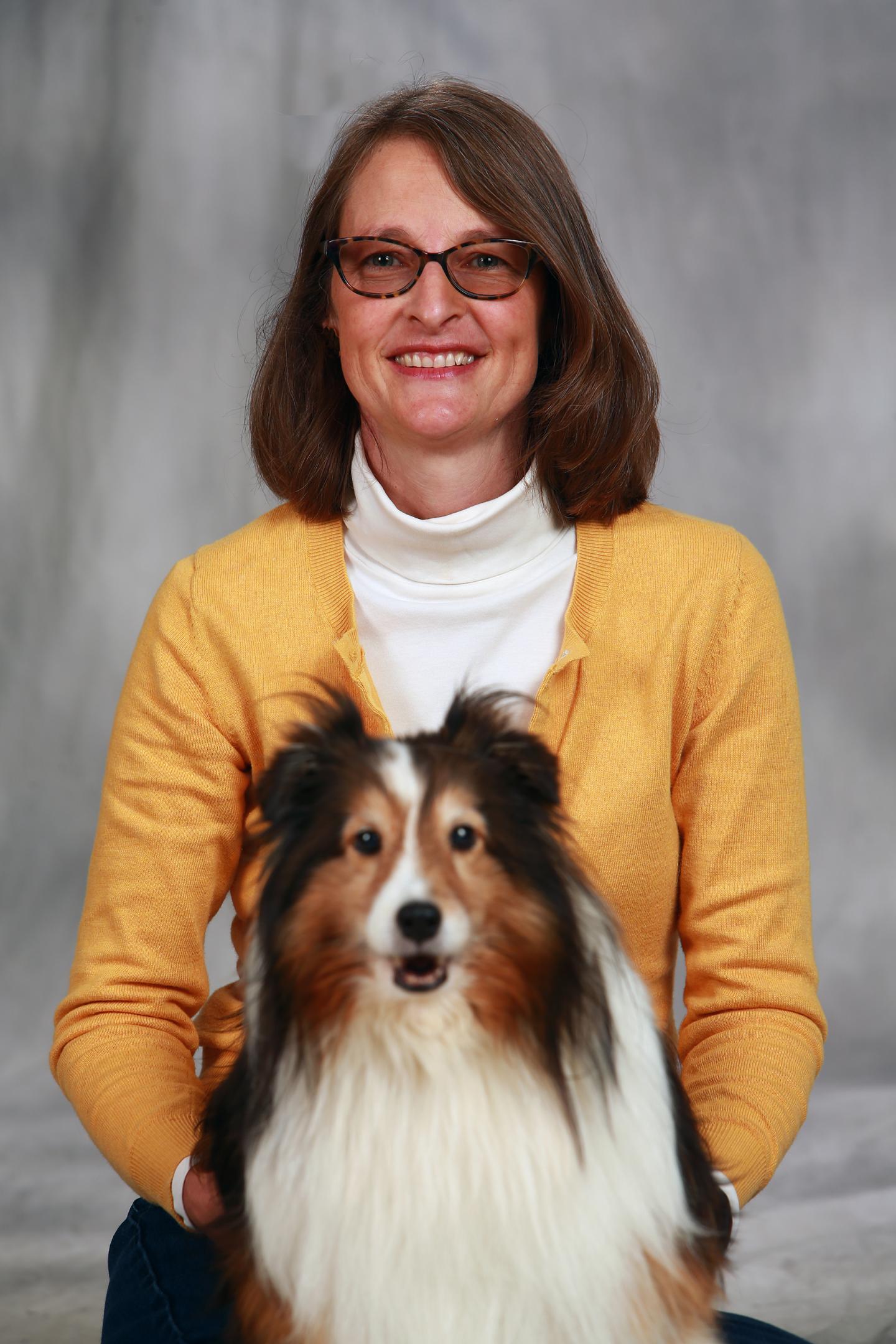
MU researcher examines impact of pet dogs, cats on families with autism
IMAGE

Credit: MU College of Veterinary Medicine

COLUMBIA, Mo. – While current events have increased stress for all families, parents of children with autism report higher levels of stress on average than parents of typically developing kids. Feeling overwhelmed and overburdened by various responsibilities, some parents turn to pets as a source of comfort and support.

Now, research from the University of Missouri has found that pets lead to strong bonds and reduced stress for both children with autism and their parents.

Gretchen Carlisle, a research scientist with the Research Center for Human-Animal Interaction in the MU College of Veterinary Medicine, surveyed more than 700 families from the Interactive Autism Network on the benefits and burdens of having a dog or cat in the family. She found that despite the responsibility of pet care, both children with autism and their parents reported strong bonds with their pets. Pet ownership was not related to parent stress, and parents with multiple pets reported more benefits.

“Given that the characteristics of autism spectrum disorder are so broad, it can be difficult to identify interventions that are widely beneficial,” Carlisle said. “Some of the core challenges that children with autism face include anxiety and difficulty communicating. As pets can help increase social interaction and decrease anxiety, we found that they are not only helpful in providing comfort and support to children with autism, but to their parents as well.”

For parents considering adding a pet into their family, Carlisle recommends including the child in the decision and making sure the pet’s activity level is a good match with the child’s.

“Some kids with autism have specific sensitivities, so a big, loud dog that is highly active might cause sensory overload for a particular child, while a quiet cat may be a better fit,” Carlisle said. “My goal is to provide parents with evidence-based information so they can make informed choices for their families.”

###

“Exploring Human-Companion Animal Interaction in Families of Children with Autism” was recently published in Journal of Autism and Developmental Disorders. Funding for the study was provided by NestlĂ© Purina. The content is solely the responsibility of the authors and does not necessarily represent the official views of the funding agencies.

Media Contact
Brian Consiglio
[email protected]

Related Journal Article

http://dx.doi.org/10.1007/s10803-020-04390-x

Tags: BehaviorCoping/PhobiasMental HealthParenting/Child Care/FamilyPersonality/AttitudePets/EthologyQuality of LifeSocial/Behavioral ScienceStress/Anxiety
Share12Tweet8Share2ShareShareShare2

Related Posts

Retroelement Expansions Drive Stingless Bee Genome Evolution

Retroelement Expansions Drive Stingless Bee Genome Evolution

January 11, 2026
Trypanosoma cruzi’s Genome Unveils 32 Chromosomes, 3 Compartments

Trypanosoma cruzi’s Genome Unveils 32 Chromosomes, 3 Compartments

January 11, 2026

Unlocking Sperm Motility: Insights from Chicken Genetics

January 11, 2026

Exploring Heterosis in Abaca BC2 Hybrid Dioscoro 1

January 10, 2026
Please login to join discussion

POPULAR NEWS

  • Enhancing Spiritual Care Education in Nursing Programs

    154 shares
    Share 62 Tweet 39
  • PTSD, Depression, Anxiety in Childhood Cancer Survivors, Parents

    146 shares
    Share 58 Tweet 37
  • Robotic Ureteral Reconstruction: A Novel Approach

    54 shares
    Share 22 Tweet 14
  • Impact of Vegan Diet and Resistance Exercise on Muscle Volume

    47 shares
    Share 19 Tweet 12

About

We bring you the latest biotechnology news from best research centers and universities around the world. Check our website.

Follow us

Recent News

Advancing Weld Defect Detection with Hybrid Machine Learning

Retroelement Expansions Drive Stingless Bee Genome Evolution

Developing Eye Care Guidelines for Prone Ventilation

Subscribe to Blog via Email

Enter your email address to subscribe to this blog and receive notifications of new posts by email.

Join 71 other subscribers
  • Contact Us

Bioengineer.org © Copyright 2023 All Rights Reserved.

Welcome Back!

Login to your account below

Forgotten Password?

Retrieve your password

Please enter your username or email address to reset your password.

Log In
No Result
View All Result
  • Homepages
    • Home Page 1
    • Home Page 2
  • News
  • National
  • Business
  • Health
  • Lifestyle
  • Science

Bioengineer.org © Copyright 2023 All Rights Reserved.