• HOME
  • NEWS
  • EXPLORE
    • CAREER
      • Companies
      • Jobs
    • EVENTS
    • iGEM
      • News
      • Team
    • PHOTOS
    • VIDEO
    • WIKI
  • BLOG
  • COMMUNITY
    • FACEBOOK
    • INSTAGRAM
    • TWITTER
Thursday, January 1, 2026
BIOENGINEER.ORG
No Result
View All Result
  • Login
  • HOME
  • NEWS
  • EXPLORE
    • CAREER
      • Companies
      • Jobs
        • Lecturer
        • PhD Studentship
        • Postdoc
        • Research Assistant
    • EVENTS
    • iGEM
      • News
      • Team
    • PHOTOS
    • VIDEO
    • WIKI
  • BLOG
  • COMMUNITY
    • FACEBOOK
    • INSTAGRAM
    • TWITTER
  • HOME
  • NEWS
  • EXPLORE
    • CAREER
      • Companies
      • Jobs
        • Lecturer
        • PhD Studentship
        • Postdoc
        • Research Assistant
    • EVENTS
    • iGEM
      • News
      • Team
    • PHOTOS
    • VIDEO
    • WIKI
  • BLOG
  • COMMUNITY
    • FACEBOOK
    • INSTAGRAM
    • TWITTER
No Result
View All Result
Bioengineer.org
No Result
View All Result
Home NEWS Science News Health

Digital solutions for dementia care

Bioengineer by Bioengineer
April 23, 2020
in Health
Reading Time: 2 mins read
0
IMAGE
Share on FacebookShare on TwitterShare on LinkedinShare on RedditShare on Telegram

Telehealth as good as face-to-face health services
IMAGE

Credit: Flinders University

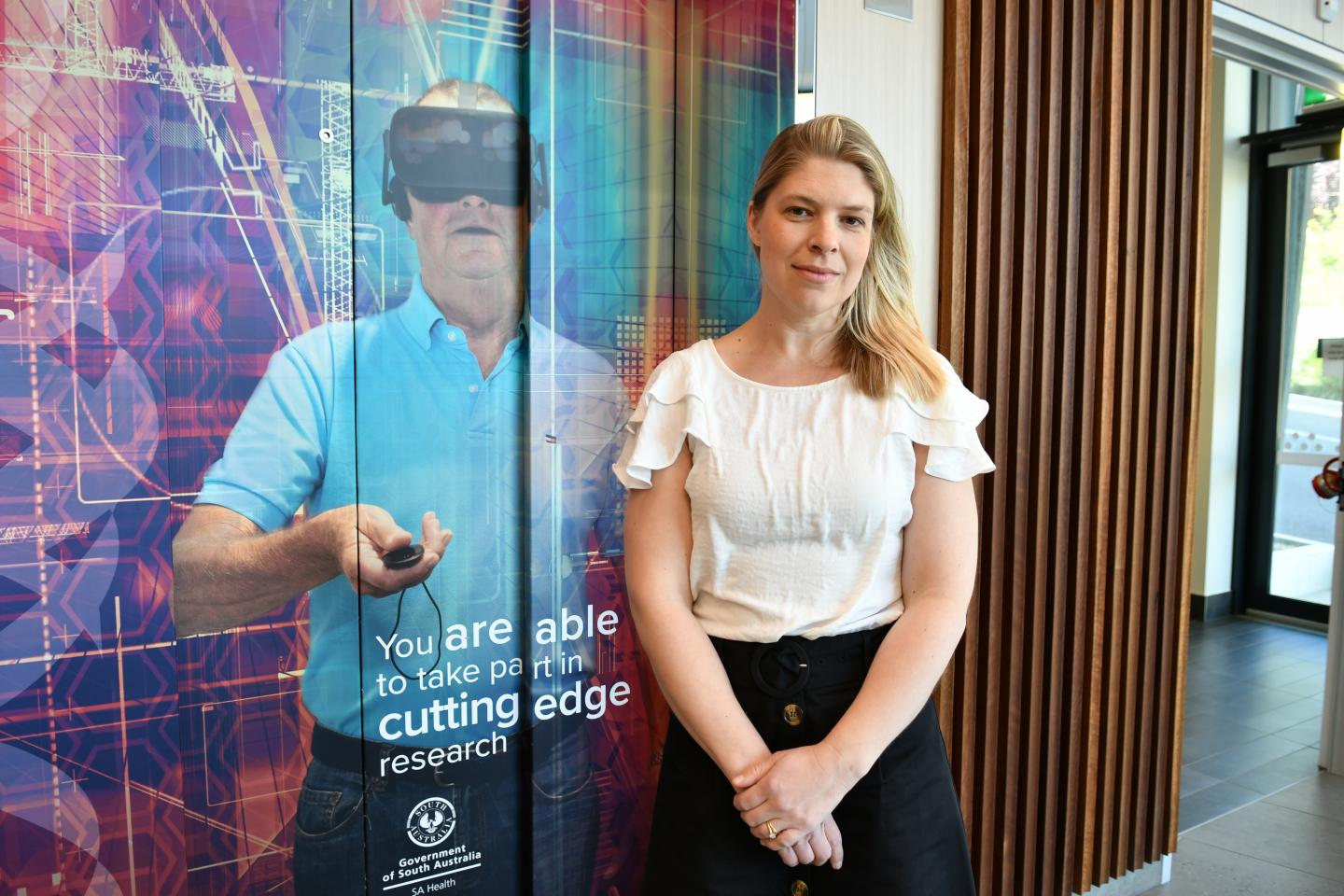
Telehealth delivery of dementia care in the home can be as effective as face-to-face home visit services if carers and recipients take advantage of the technologies available, Australian researchers say.

Dementia affects almost 50 million people worldwide, which is predicted to increase to 131.5 million people by 2050. Every three seconds someone in the world develops dementia.

The study of 63 people living with mild to moderate dementia, and their care partners, found that telehealth services using videoconferences can save travel time – particularly in rural and remote areas – and equip families with strategies to promote independence in the person with dementia.

Giving care partners strategies to cope with, and delay, functional decline in people living with dementia is a priority, given that about 70% of people with dementia live in their own home with support from family members and friends for assistance,” says lead researcher Flinders University Associate Professor Kate Laver, an ARC Discovery Early Career Research Fellow and occupational therapist.

“Giving families evidence-based information and skills can promote independence and improve quality of life and wellbeing for people with dementia,” she says.

Telehealth promises to provide a more affordable alternative for older people living at home, including those with chronic health conditions.

Researchers conclude that the use of telehealth technologies to deliver non-pharmacologic interventions for people with dementia and their care partners may reduce the costs of delivering the intervention, increase accessibility, and facilitate research translation.

###

The paper, ‘Does Telehealth Delivery of a Dyadic Dementia Care Program Provde a Noninferior Alternative to Face-to-Face Delivery of the Same Program? A Randomized, Controlled Trial’ by K Laver, E Liu, L Clemson, O Davies, L Gray, LN Gitlin and M Crotty has been published in the American Journal of Geriatric Psychiatry. DOI: 10.1016/j.jagp.2020.02.009

https://www.ajgponline.org/article/S1064-7481(20)30240-2/fulltext

Media Contact
Kate Laver
[email protected]

Original Source

https://www.ajgponline.org/article/S1064-7481(20)30240-2/fulltext

Related Journal Article

http://dx.doi.org/10.1016/j.jagp.2020.02.009

Tags: AlzheimerMedicine/Healthneurobiology
Share12Tweet8Share2ShareShareShare2

Related Posts

Enhancing Cancer Treatment with Cureety Techcare Telemonitoring

January 1, 2026

Bioengineered Viruses Enable RNA Editing to Treat Sepsis

December 31, 2025

Prosopis Africana: A Natural Solution for Dental Health

December 31, 2025

4R-Tau Seeding Uncovers Progressive Supranuclear Palsy Subtypes

December 31, 2025
Please login to join discussion

POPULAR NEWS

  • blank

    PTSD, Depression, Anxiety in Childhood Cancer Survivors, Parents

    105 shares
    Share 42 Tweet 26
  • NSF funds machine-learning research at UNO and UNL to study energy requirements of walking in older adults

    71 shares
    Share 28 Tweet 18
  • Exploring Audiology Accessibility in Johannesburg, South Africa

    52 shares
    Share 21 Tweet 13
  • SARS-CoV-2 Subvariants Affect Outcomes in Elderly Hip Fractures

    44 shares
    Share 18 Tweet 11

About

We bring you the latest biotechnology news from best research centers and universities around the world. Check our website.

Follow us

Recent News

Enhancing Cancer Treatment with Cureety Techcare Telemonitoring

Exploring Deep Learning’s Promise in Protein-Ligand Docking

Bioengineered Viruses Enable RNA Editing to Treat Sepsis

Subscribe to Blog via Email

Enter your email address to subscribe to this blog and receive notifications of new posts by email.

Join 71 other subscribers
  • Contact Us

Bioengineer.org © Copyright 2023 All Rights Reserved.

Welcome Back!

Login to your account below

Forgotten Password?

Retrieve your password

Please enter your username or email address to reset your password.

Log In
No Result
View All Result
  • Homepages
    • Home Page 1
    • Home Page 2
  • News
  • National
  • Business
  • Health
  • Lifestyle
  • Science

Bioengineer.org © Copyright 2023 All Rights Reserved.