• HOME
  • NEWS
  • EXPLORE
    • CAREER
      • Companies
      • Jobs
    • EVENTS
    • iGEM
      • News
      • Team
    • PHOTOS
    • VIDEO
    • WIKI
  • BLOG
  • COMMUNITY
    • FACEBOOK
    • INSTAGRAM
    • TWITTER
Sunday, October 4, 2026
BIOENGINEER.ORG
No Result
View All Result
  • Login
  • HOME
  • NEWS
  • EXPLORE
    • CAREER
      • Companies
      • Jobs
        • Lecturer
        • PhD Studentship
        • Postdoc
        • Research Assistant
    • EVENTS
    • iGEM
      • News
      • Team
    • PHOTOS
    • VIDEO
    • WIKI
  • BLOG
  • COMMUNITY
    • FACEBOOK
    • INSTAGRAM
    • TWITTER
No Result
View All Result
Bioengineer.org
No Result
View All Result
Home NEWS Science News

UTA engineer to see why zebrafish hearts, unlike humans, regenerate after cardiac arrest

Bioengineer by Bioengineer
April 21, 2020
in Science News
Reading Time: 2 mins read
0
IMAGE
Share on FacebookShare on TwitterShare on LinkedinShare on RedditShare on Telegram

Building EKG jackets for zebrafish to study heart attacks
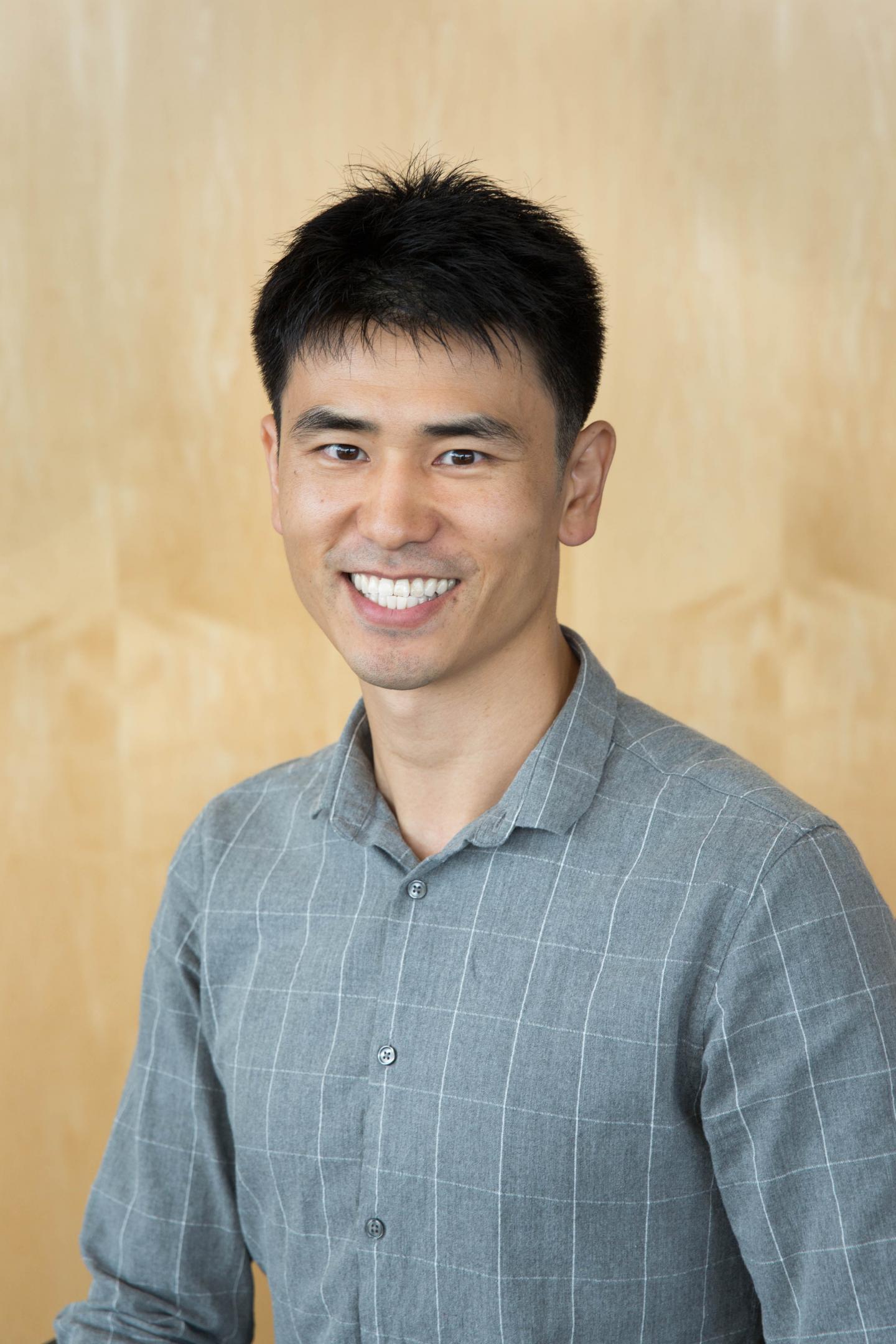
IMAGE

Credit: UT Arlington

A bioengineer at The University of Texas at Arlington is developing an imaging technique and a special electrocardiogram (EKG) for zebrafish to determine why they are able to regenerate their heart tissue after cardiac arrest.

The research could provide crucial insights into one of the United States’ most pressing health problems. Every 40 seconds, someone in the U.S. has a heart attack. While not always fatal, the damage to heart tissue is irreversible.

Zebrafish, on the other hand, are able to regenerate their heart tissue and return their hearts to a nearly normal state.

Juhyun Lee, an assistant professor in the UTA Bioengineering Department, received a three-year, $450,000 grant from the National Science Foundation to investigate why zebrafish regenerate their their hearts so quickly and whether the knowledge could apply to humans.

“Contractility is very important for proper heart function, but scar tissue stiffens the human heart and reduces how much it can contract to pump blood,” Lee said. “In zebrafish, the scars heal much faster and more completely than other animals, so we’re trying to find out why and how.”

Lee and his team have developed a special EKG jacket for the fish, in collaboration with researchers at UC Irvine. The jacket is made of flexible electronics and attaches to the fish via nanotubes that can adhere underwater. It recharges as the fish moves, monitors how physiological signals develop and sends data to a cloud system, so no wires are necessary.

Once the fish are fitted with the EKG jacket, Lee will use a super-resolution ultra-microscope to create 3D images of the zebrafish hearts. Using a state-of-the-art clearing method called PEGASOS that he developed with colleagues at Texas A&M University, Lee will make the tissue samples transparent to easily see through the inside of the entire heart with the microscope.

This way, he will be able to monitor the proliferation of cardiomyocytes–the cells that generate contractile force in the heart–to determine the importance of biomechanical force in their development.

“Dr. Lee has made significant progress in tissue imaging, especially related to cardiac issues, and this new project could provide data that has the potential to influence how we prepare for and treat myocardial infarctions going forward,” said Michael Cho, chair of the Bioengineering Department.

In 2018, Lee received an American Heart Association (AHA) Career Development Award to study which gene expressions affect the development of which parts of the heart in an effort to see how genes might heal heart tissue damaged by heart attacks.

Earlier that year, he received an AHA grant to develop a new microscope that can capture 3D motion to construct a 4D beating heart using optical imaging techniques with fluorescent nanoparticles in zebrafish.

###

– Written by Jeremy Agor, College of Engineering

Media Contact
Herb Booth
[email protected]

Original Source

https://www.uta.edu/news/news-releases/2020/04/21/zebrafish-heart-attacks

Tags: BiodiversityBiomedical/Environmental/Chemical EngineeringBiotechnologyTechnology/Engineering/Computer Science
Share12Tweet8Share2ShareShareShare2

Related Posts

Five Faces of Fear: How Cancer Patients Cope When War Comes to the Hospital Door

Five Faces of Fear: How Cancer Patients Cope When War Comes to the Hospital Door

October 4, 2026
Alcohol-Powered Fuel Cells Edge Closer to Market as Engineers Tame Leaky Membranes and Costly Catalysts

Alcohol-Powered Fuel Cells Edge Closer to Market as Engineers Tame Leaky Membranes and Costly Catalysts

October 4, 2026

A Hidden RNA Switch May Shape Cashmere Goat Hair Follicles Before Birth

October 4, 2026

Viral Protein Weakens Rice Cell Walls, Boosting Virus Infection but Blocking Insect Pests

October 4, 2026
Please login to join discussion

POPULAR NEWS

  • Alloys That Shrink Their Own Grains: New PIX Mechanism Refines Metals With Heat Alone

    Alloys That Shrink Their Own Grains: New PIX Mechanism Refines Metals With Heat Alone

    29 shares
    Share 12 Tweet 7
  • Endurance Exercise Reshapes the Liver in Males and Females Through Distinct Molecular Routes

    29 shares
    Share 12 Tweet 7
  • Single Transcription Factor PU.1 Rapidly Converts Fibroblasts into Macrophage-Lineage Cells

    29 shares
    Share 12 Tweet 7
  • New Scale Measures How Ready Nurse Educators Really Are for the AI Era

    29 shares
    Share 12 Tweet 7

About

We bring you the latest biotechnology news from best research centers and universities around the world. Check our website.

Follow us

Recent News

Alloys That Shrink Their Own Grains: New PIX Mechanism Refines Metals With Heat Alone

Endurance Exercise Reshapes the Liver in Males and Females Through Distinct Molecular Routes

Single Transcription Factor PU.1 Rapidly Converts Fibroblasts into Macrophage-Lineage Cells

Subscribe to Blog via Email

Success! An email was just sent to confirm your subscription. Please find the email now and click 'Confirm' to start subscribing.

Join 85 other subscribers
  • Contact Us

Bioengineer.org © Copyright 2023 All Rights Reserved.

Welcome Back!

Login to your account below

Forgotten Password?

Retrieve your password

Please enter your username or email address to reset your password.

Log In
No Result
View All Result
  • Homepages
    • Home Page 1
    • Home Page 2
  • News
  • National
  • Business
  • Health
  • Lifestyle
  • Science

Bioengineer.org © Copyright 2023 All Rights Reserved.