LJI scientists link immune cells to Parkinson’s disease onset
Credit: La Jolla Institute for Immunology
LA JOLLA–A new study co-led by scientists at the La Jolla Institute for Immunology (LJI) adds increasing evidence that Parkinson’s disease is partly an autoimmune disease. In fact, the researchers report that signs of autoimmunity can appear in Parkinson’s disease patients years before their official diagnosis.
The research could make it possible to someday detect Parkinson’s disease before the onset of debilitating motor symptoms–and potentially intervene with therapies to slow the disease progression.
The study, published in the April 20, 2020, issue of Nature Communications, was co-led by LJI professor Alessandro Sette, Dr. Biol. Sci, and Professor David Sulzer, Ph.D., of the Columbia University Medical Center.
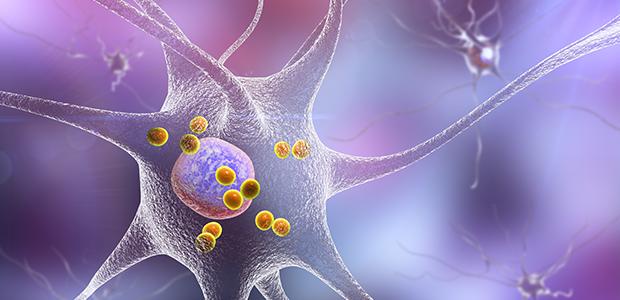
Scientists have long known that clumps of a damaged protein called alpha-synuclein build up in the dopamine-producing brain cells of patients with Parkinson’s disease. These clumps eventually lead to cell death, causing motor symptoms and cognitive decline.
“Once these cells are gone, they’re gone. So if you are able to diagnose the disease as early as possible, it could make a huge difference,” says LJI research assistant professor Cecilia Lindestam Arlehamn, Ph.D., who served as first author of the new study.
A 2017 study led by Sette and Sulzer was the first to show that alpha-synuclein can act as a beacon for certain T cells, causing them to mistakenly attack brain cells and potentially contribute to the progression of Parkinson’s. This was the first direct evidence that autoimmunity could play a role in Parkinson’s disease.
The new findings shed light on the timeline of T cell reactivity and disease progression. The researchers looked at blood samples from a large group of Parkinson’s disease patients and compared their T cells to a healthy, age-matched control group. They found that the T cells that react to alpha-synuclein are most abundant when patients are first diagnosed with the disease. These T cells tend to disappear as the disease progresses, and few patients still have them ten years after diagnosis.
The researchers also did an in-depth analysis of one Parkinson’s disease patient who happened to have blood samples preserved going back long before his diagnosis. This case study showed that the patient had a strong T cell response to alpha-synuclein ten years before he was diagnosed with Parkinson’s disease. Again, these T cells faded away in the years following diagnosis.
“This tells us that detection of T cell responses could help in the diagnosis of people at risk or in early stages of disease development, when many of the symptoms have not been detected yet,” says Sette. “Importantly, we could dream of a scenario where early interference with T cell responses could prevent the disease from manifesting itself or progressing.”
Sulzer added, “One of the most important findings is that the flavor of the T cells changes during the course of the disease, starting with more aggressive cells, moving to less aggressive cells that may inhibit the immune response, and after about 10 years, disappearing altogether. It is almost as if immune responses in Parkinson’s disease are like those that occur during seasonal flu, except that the changes take place over ten years instead of a week.”
In fact, already therapies exist to treat inflammation from autoreactive T cells, and these TNF therapies are associated with lower incidence of Parkinson’s disease. Going forward, the researchers are especially interested in using a tool called a T cell-based assay to monitor patients already at risk for Parkinson’s to see if they could benefit from TNF therapies. These patients include people with REM sleep disorders and certain genetic mutations.
The researchers hope to study more Parkinson’s patients and follow them over longer time periods to better understand how T cell reactivity changes as the disease progresses.
###
The study, titled “α-Synuclein-specific T cell reactivity is associated with preclinical and early Parkinson’s disease,” was supported by the National Institutes of Health’s (NIH) National Institute of Neurological Disorders and Stroke (R01NS095435, P50NS108675), the NIH National Institute on Aging (P50AG08702), the Parkinson’s Foundation, the Michael J. Fox Foundation, JPB Foundation, William F. Richter Foundations, and the UCSD-LJI Program in Immunology.
Additional study authors included Rekha Dhanwani, John Pham, Rebecca Kuan, April Frazier, Juliana Rezende Dutra, Elizabeth Phillips, Simon Mallal, Mario Roederer, Karen S. Marder, Amy W. Amara, David G. Standaert, Jennifer G. Goldman, Irene Litvan, and Bjoern Peters. DOI: 10.1038/s41467-020-15626-w
About La Jolla Institute for Immunology
The La Jolla Institute for Immunology is dedicated to understanding the intricacies and power of the immune system so that we may apply that knowledge to promote human health and prevent a wide range of diseases. Since its founding in 1988 as an independent, nonprofit research organization, the Institute has made numerous advances leading toward its goal: life without disease.
Media Contact
Gina Kirchweger
[email protected]