• HOME
  • NEWS
  • EXPLORE
    • CAREER
      • Companies
      • Jobs
    • EVENTS
    • iGEM
      • News
      • Team
    • PHOTOS
    • VIDEO
    • WIKI
  • BLOG
  • COMMUNITY
    • FACEBOOK
    • INSTAGRAM
    • TWITTER
Saturday, November 28, 2026
BIOENGINEER.ORG
No Result
View All Result
  • Login
  • HOME
  • NEWS
  • EXPLORE
    • CAREER
      • Companies
      • Jobs
        • Lecturer
        • PhD Studentship
        • Postdoc
        • Research Assistant
    • EVENTS
    • iGEM
      • News
      • Team
    • PHOTOS
    • VIDEO
    • WIKI
  • BLOG
  • COMMUNITY
    • FACEBOOK
    • INSTAGRAM
    • TWITTER
No Result
View All Result
Bioengineer.org
No Result
View All Result
Home NEWS Science News Health

New method gives glaucoma researchers control over eye pressure

Bioengineer by Bioengineer
February 24, 2020
in Health
Reading Time: 2 mins read
0
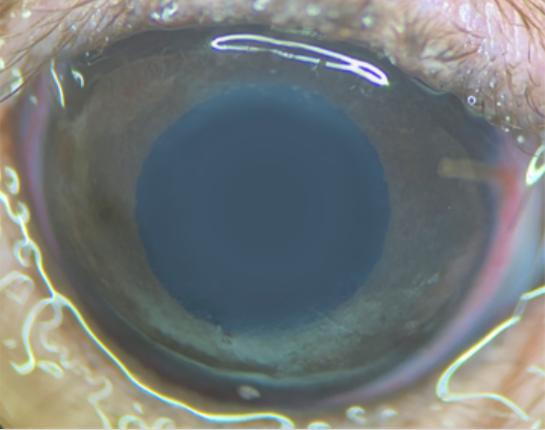
IMAGE
Share on FacebookShare on TwitterShare on LinkedinShare on RedditShare on Telegram

IMAGE

Credit: University of South Florida


TAMPA, Fla. (February 24, 2020)- Neuroscientists at the University of South Florida have become the first to definitively prove pressure in the eye is sufficient to cause and explain glaucoma. They come to this conclusion following the development of a method that permits continuous regulation of pressure without damaging the eye.

Researchers were able to manipulate pressure by implanting a tiny tube in the eye of an animal model and connecting the tube to a pressure source and pressure sensor. The pressure source infused fluid into the eye via a saline reservoir or a portable micropump built by the researchers. The pressure sensor took measurements every few seconds around-the-clock for up to two months, during which time the tube remained fixed in place even though the eye blinked and rotated and the animal freely moved. The study, published in Scientific Reports, found that raising pressure of an otherwise healthy eye resulted in patterns of retina and optic nerve damage like that seen in human glaucoma.

“The technique offers a significant advancement in glaucoma research,” said Chris Passaglia, PhD, professor of medical engineering at USF. “All studies to date have elevated pressure by blocking fluid outflow from the eye, whereas ours adds fluid as necessary to produce a desired pressure without damaging outflow pathways. Now researchers can have direct knowledge and control of eye pressure.”

A longstanding challenge with existing methods of glaucoma induction is that eye pressure changes are unpredictable and generally irreversible. Pressure may rise to unrealistic levels or not change at all if induction procedures are unsuccessful. Pressure can also settle at a stable value, fluctuate irregularly over time, or return abruptly to normal. Passaglia says the new tools can help speed research progress by removing such experimental variability and by enabling systematic studies of unanswered questions like the role of eye pressure history in disease onset and progression. Putative glaucoma drugs can also be concurrently infused by the system into the eye of animal models and screened for therapeutic effectiveness.

###

This study was funded by the National Eye Institute, part of the National Institutes of Health.

Media Contact
Tina Meketa
tmeketa@usf.edu
813-955-2593

Related Journal Article

http://dx.doi.org/10.1038/s41598-019-57022-5

Tags: AgingBiomedical/Environmental/Chemical EngineeringMedicine/HealthOphthalmology
Share12Tweet8Share2ShareShareShare2

Related Posts

Mixed Reality Resuscitation Training Boosts Nursing Students' Advanced Life Support Knowledge

Mixed Reality Resuscitation Training Boosts Nursing Students’ Advanced Life Support Knowledge

November 28, 2026
Proximal First Phalanx Physeal Closure in Icelandic Foals Estimated at Median 216 Days

Proximal First Phalanx Physeal Closure in Icelandic Foals Estimated at Median 216 Days

November 28, 2026

Multidimensional Nomogram Estimates Oral Frailty Risk in Hospitalized Diabetes Patients

November 28, 2026

Teclistamab Achieves High Response Rates Across Diverse Multiple Myeloma Patients in California

November 28, 2026
Please login to join discussion

POPULAR NEWS

  • CCND1 Alterations Link to Lethal Outcomes in Refractory Urothelial Carcinoma

    CCND1 Alterations Link to Lethal Outcomes in Refractory Urothelial Carcinoma

    29 shares
    Share 12 Tweet 7
  • Diabetes Linked to Higher Urinary Urgency and Poorer Quality of Life

    29 shares
    Share 12 Tweet 7
  • Collaborative Systems Framework Developed to Reduce Ketamine Harms in Northwest England

    29 shares
    Share 12 Tweet 7
  • Microbial Inoculant Performance Depends on Manufacturing and Delivery Beyond Strain Selection

    29 shares
    Share 12 Tweet 7

About

We bring you the latest biotechnology news from best research centers and universities around the world. Check our website.

Follow us

Recent News

Mixed Reality Resuscitation Training Boosts Nursing Students’ Advanced Life Support Knowledge

Proximal First Phalanx Physeal Closure in Icelandic Foals Estimated at Median 216 Days

Wild Afrotropical Rodents Show Greater Seasonal Stability in Gut Than Oral Microbiota

Subscribe to Blog via Email

Enter your email address to subscribe to this blog and receive notifications of new posts by email.

Join 89 other subscribers
  • Contact Us

Bioengineer.org © Copyright 2023 All Rights Reserved.

Welcome Back!

Login to your account below

Forgotten Password?

Retrieve your password

Please enter your username or email address to reset your password.

Log In
No Result
View All Result
  • Homepages
    • Home Page 1
    • Home Page 2
  • News
  • National
  • Business
  • Health
  • Lifestyle
  • Science

Bioengineer.org © Copyright 2023 All Rights Reserved.