• HOME
  • NEWS
  • EXPLORE
    • CAREER
      • Companies
      • Jobs
    • EVENTS
    • iGEM
      • News
      • Team
    • PHOTOS
    • VIDEO
    • WIKI
  • BLOG
  • COMMUNITY
    • FACEBOOK
    • INSTAGRAM
    • TWITTER
Thursday, October 8, 2026
BIOENGINEER.ORG
No Result
View All Result
  • Login
  • HOME
  • NEWS
  • EXPLORE
    • CAREER
      • Companies
      • Jobs
        • Lecturer
        • PhD Studentship
        • Postdoc
        • Research Assistant
    • EVENTS
    • iGEM
      • News
      • Team
    • PHOTOS
    • VIDEO
    • WIKI
  • BLOG
  • COMMUNITY
    • FACEBOOK
    • INSTAGRAM
    • TWITTER
  • HOME
  • NEWS
  • EXPLORE
    • CAREER
      • Companies
      • Jobs
        • Lecturer
        • PhD Studentship
        • Postdoc
        • Research Assistant
    • EVENTS
    • iGEM
      • News
      • Team
    • PHOTOS
    • VIDEO
    • WIKI
  • BLOG
  • COMMUNITY
    • FACEBOOK
    • INSTAGRAM
    • TWITTER
No Result
View All Result
Bioengineer.org
No Result
View All Result
Home NEWS Science News Health

Finding genetic cancer risks

Bioengineer by Bioengineer
February 5, 2020
in Health
Reading Time: 3 mins read
0
IMAGE
Share on FacebookShare on TwitterShare on LinkedinShare on RedditShare on Telegram

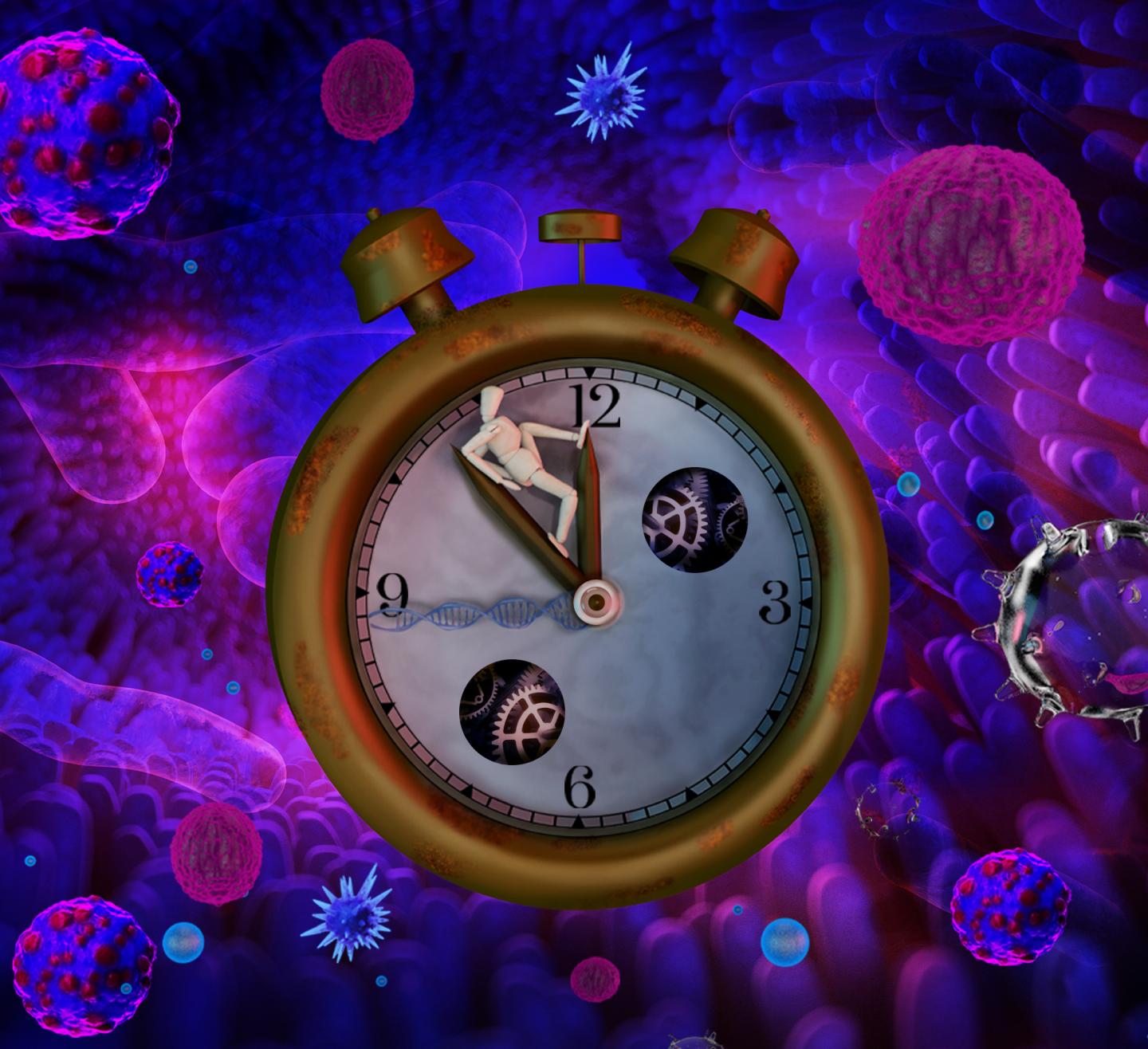
EMBL scientists describe how our genetic background influences cancer development
IMAGE

Credit: Rayne Zaayman-Gallant/EMBL


Germline variants are present in every single cell of our body. By contrast, somatic mutations occur in individual body cells during an organism’s lifetime and only affect the tissue that is derived from that cell. They can be driven by external factors like UV light or tobacco smoking. “The main finding of our study is that a person’s genetic background can influence the changes we see in the genome of their cancer cells,” says Sebastian Waszak; a postdoctoral fellow in the Korbel group at the time the research began.

A clock-like mutational process

“Cancer is a disease of the somatic genome, caused by mutations that arise during our lifetime,” says EMBL group leader Jan Korbel. “But in a certain number of patients, at least 5 to 10%, the reason for cancer is due to inherited mutations. In our study we identified several genetic factors that promote the somatic evolution of cancer cells.”

The group identified germline mutations in the gene MBD4 as a driver for an overabundance of somatic mutations in cancer genomes. MBD4 influences a mutational process that occurs naturally during ageing and is described as clock-like, because of the rhythm with which somatic mutations occur during our lifetime. In the presence of a mutated MBD4 gene, the clock-like mutational process runs at a much faster pace.

Finding germline variants that influence cancer development is key for future medical applications. “Our methodology can be used to identify genetic factors that increase the pace at which somatic mutations are acquired,” says Sebastian Waszak. In the future, patients with an identified genetic risk could be counselled and offered regular screenings so that a pre-cancerous lesion is discovered as early as possible.

Organisation and creativity

The working group responsible for this segment of the main Pan-Cancer paper included as many as 100 scientists. “We were very excited to understand the influence of genetic factors on cancer development,” says Sebastian Waszak. “This was a project born out of curiosity and everybody contributed lots of resources to it. It was also an organisational challenge.” Weekly teleconferences were held from EMBL to coordinate interests and roles, to discuss results, and to organise workshops.

“There are many open questions when it comes to understanding cancer risks,” says Sebastian Waszak. “Pan-Cancer has enabled us to study the early steps of cancer development from a novel perspective.”

The Pan-Cancer project

The Pan-Cancer Analysis of Whole Genomes project is a collaboration involving more than 1300 scientists and clinicians from 37 countries. It involved analysis of more than 2600 genomes of 38 different tumour types, creating a huge resource of primary cancer genomes. This was the starting point for 16 working groups to study multiple aspects of cancer development, causation, progression, and classification.

###

Media Contact
Mathias Jäger
[email protected]
62-213-878-726

Original Source

https://news.embl.de/science/pan-cancer-molecular-clock/

Related Journal Article

http://dx.doi.org/10.1038/s41586-020-1969-6

Tags: BioinformaticsBiologycancerCell BiologyGenesMedicine/Health
Share12Tweet8Share2ShareShareShare2

Related Posts

Digital Care Companion Brings Patient Voices Into Nurse-Led Breast Cancer Survivorship Care

Digital Care Companion Brings Patient Voices Into Nurse-Led Breast Cancer Survivorship Care

October 8, 2026
One Flap, Many Shapes: Surgeons Tailor a Single Tissue Flap to Rebuild Chest and Arm Defects

One Flap, Many Shapes: Surgeons Tailor a Single Tissue Flap to Rebuild Chest and Arm Defects

October 8, 2026

Long COVID Score Under the Microscope: Researchers Defend Clinical Validation of RECOVER Index

October 8, 2026

Married but Disconnected: Landmark Study Maps Five Social Lives of Older Americans

October 8, 2026
Please login to join discussion

POPULAR NEWS

  • Alloys That Shrink Their Own Grains: New PIX Mechanism Refines Metals With Heat Alone

    Alloys That Shrink Their Own Grains: New PIX Mechanism Refines Metals With Heat Alone

    29 shares
    Share 12 Tweet 7
  • Endurance Exercise Reshapes the Liver in Males and Females Through Distinct Molecular Routes

    29 shares
    Share 12 Tweet 7
  • Single Transcription Factor PU.1 Rapidly Converts Fibroblasts into Macrophage-Lineage Cells

    29 shares
    Share 12 Tweet 7
  • New Scale Measures How Ready Nurse Educators Really Are for the AI Era

    29 shares
    Share 12 Tweet 7

About

We bring you the latest biotechnology news from best research centers and universities around the world. Check our website.

Follow us

Recent News

Alloys That Shrink Their Own Grains: New PIX Mechanism Refines Metals With Heat Alone

Endurance Exercise Reshapes the Liver in Males and Females Through Distinct Molecular Routes

Single Transcription Factor PU.1 Rapidly Converts Fibroblasts into Macrophage-Lineage Cells

Subscribe to Blog via Email

Success! An email was just sent to confirm your subscription. Please find the email now and click 'Confirm' to start subscribing.

Join 85 other subscribers
  • Contact Us

Bioengineer.org © Copyright 2023 All Rights Reserved.

Welcome Back!

Login to your account below

Forgotten Password?

Retrieve your password

Please enter your username or email address to reset your password.

Log In
No Result
View All Result
  • Homepages
    • Home Page 1
    • Home Page 2
  • News
  • National
  • Business
  • Health
  • Lifestyle
  • Science

Bioengineer.org © Copyright 2023 All Rights Reserved.