• HOME
  • NEWS
  • EXPLORE
    • CAREER
      • Companies
      • Jobs
    • EVENTS
    • iGEM
      • News
      • Team
    • PHOTOS
    • VIDEO
    • WIKI
  • BLOG
  • COMMUNITY
    • FACEBOOK
    • INSTAGRAM
    • TWITTER
Saturday, March 28, 2026
BIOENGINEER.ORG
No Result
View All Result
  • Login
  • HOME
  • NEWS
  • EXPLORE
    • CAREER
      • Companies
      • Jobs
        • Lecturer
        • PhD Studentship
        • Postdoc
        • Research Assistant
    • EVENTS
    • iGEM
      • News
      • Team
    • PHOTOS
    • VIDEO
    • WIKI
  • BLOG
  • COMMUNITY
    • FACEBOOK
    • INSTAGRAM
    • TWITTER
  • HOME
  • NEWS
  • EXPLORE
    • CAREER
      • Companies
      • Jobs
        • Lecturer
        • PhD Studentship
        • Postdoc
        • Research Assistant
    • EVENTS
    • iGEM
      • News
      • Team
    • PHOTOS
    • VIDEO
    • WIKI
  • BLOG
  • COMMUNITY
    • FACEBOOK
    • INSTAGRAM
    • TWITTER
No Result
View All Result
Bioengineer.org
No Result
View All Result
Home NEWS Science News Biology

Abandoning pastures reduces the biodiversity of mountain streams

Bioengineer by Bioengineer
January 7, 2020
in Biology
Reading Time: 2 mins read
0
IMAGE
Share on FacebookShare on TwitterShare on LinkedinShare on RedditShare on Telegram

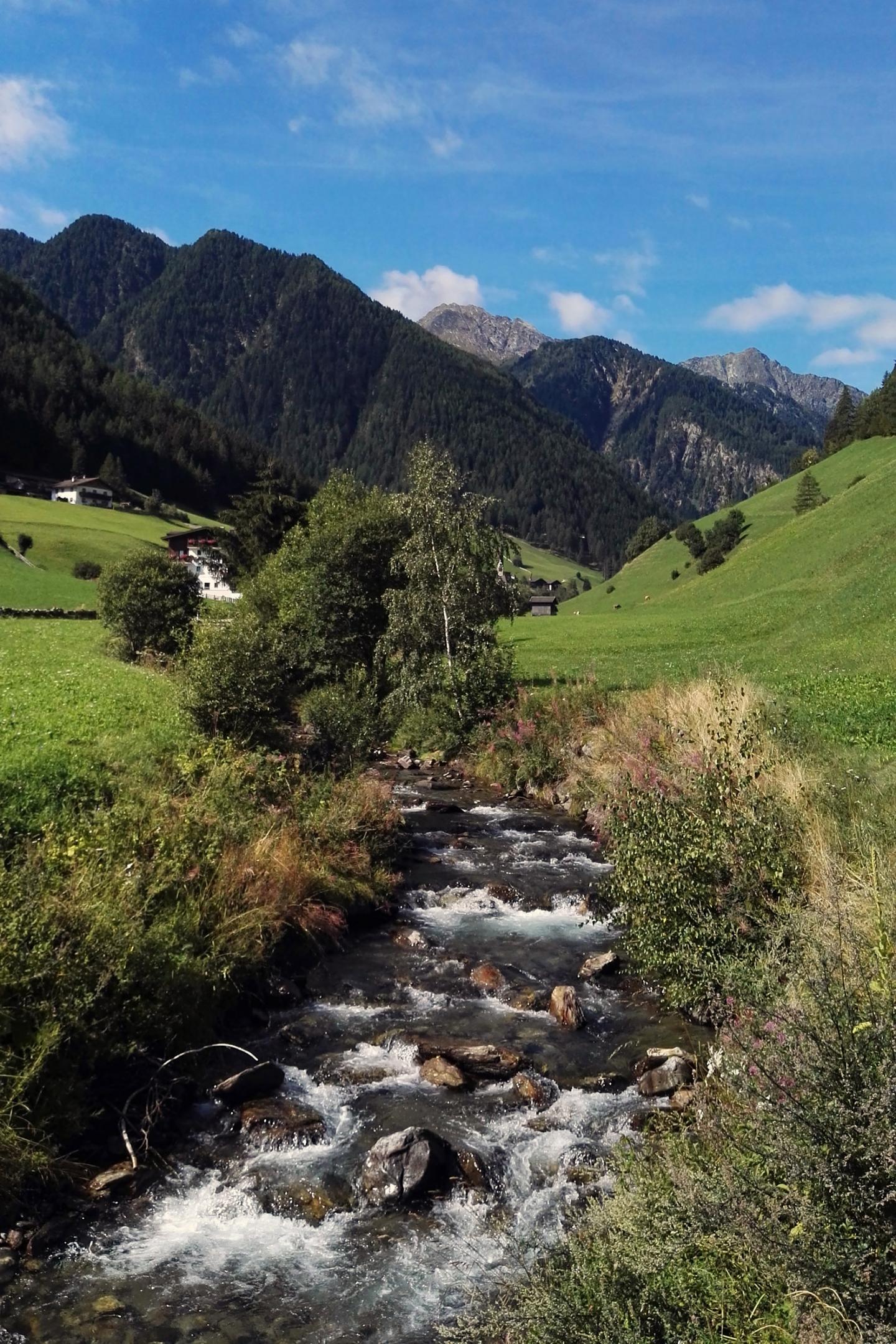
A study of 15 South Tyrolean waterways shows that the presence of extensive pastures increases biodiversity in streams and rivers
IMAGE

Credit: Eurac Research/Ivo Corrà


After a detailed topographic analysis, Eurac Research´s ecologists identified 15 stretches of streams throughout South Tyrol that flow into four distinct categories of land cover: rocky terrain (slightly over 2000m), pastures at high altitudes (around 2000m), conifer woodlands (around 1500/1600m) and valley floor pastures (between 1000/1200m).

Sample sites were selected to be as similar as possible in order to avoid factors that could cause interference. “We only selected and sampled streams born from springs and tracts with an upstream area of almost half a square kilometre of uniform land cover type, they also had to be devoid of human activities such as houses or stables,” explains ecologist Alberto Scotti. “Our goal was to assess whether and how the life of invertebrates living in the riverbed is influenced by the characteristics of the surrounding land cover”. To verify this, Scotti collected various samples. In total 70 different genera or species of invertebrates were classified.

The analysis of their distribution and functional traits astonished the researcher. Contrary to expectations, their presence was not in fact influenced exclusively by the elevation: there were more organisms and different species in the streams that flowed through the pastures, whether at 2000m or at the bottom of the valley. Moreover, in these watercourses aquatic macroinvertebrates perform several and more diversified tasks, for example there are organisms that feed on fragmented plants, others that filter particles dispersed in water and so on. In every sense, the diversity of these populations is greater than those that live in woodland and rocky areas.

“We already knew that the biodiversity of the terrestrial flora is more abundant where grazing or mowing takes place. We were surprised to discover that this relationship also applies to aquatic ecosystems. Biodiversity is greater both in terms of the number of species and the number of functions that aquatic invertebrates carry out in the streams that cross pastures, “says Scotti. “Regardless of the quality of the water – which is generally very high – the abandonment of extensive pastures at high altitudes risks depleting the streams from an ecological point of view”. The study was published in Freshwater Biology.

###

Media Contact
Daniela Mezzena
[email protected]
39-338-798-5598

Related Journal Article

http://dx.doi.org/10.1111/fwb.13448

Tags: BiodiversityBiologyEcology/EnvironmentFisheries/AquacultureHydrology/Water ResourcesMarine/Freshwater Biology
Share12Tweet8Share2ShareShareShare2

Related Posts

Two Salk Scientists Honored as 2025 AAAS Fellows

Two Salk Scientists Honored as 2025 AAAS Fellows

March 27, 2026
How to sway group opinions: Encourage opponents to stay undecided

How to sway group opinions: Encourage opponents to stay undecided

March 23, 2026

Deep Learning Model Maps How Individual Cells Shape Disease Outcomes

March 20, 2026

Removing only 15 female sharks annually could endanger the entire population, scientists warn

March 20, 2026
Please login to join discussion

POPULAR NEWS

  • blank

    Revolutionary AI Model Enhances Precision in Detecting Food Contamination

    96 shares
    Share 38 Tweet 24
  • Imagine a Social Media Feed That Challenges Your Views Instead of Reinforcing Them

    1004 shares
    Share 397 Tweet 248
  • Uncovering Functions of Cavernous Malformation Proteins in Organoids

    54 shares
    Share 22 Tweet 14
  • Promising Outcomes from First Clinical Trials of Gene Regulation in Epilepsy

    51 shares
    Share 20 Tweet 13

About

We bring you the latest biotechnology news from best research centers and universities around the world. Check our website.

Follow us

Recent News

In-Sensor Cryptography Links Physical Process to Digital Identity

Can Psychosocial Factors Influence Cancer Risk?

Depression Factors in Elderly: Pre vs. Post-COVID Analysis

Subscribe to Blog via Email

Enter your email address to subscribe to this blog and receive notifications of new posts by email.

Join 78 other subscribers
  • Contact Us

Bioengineer.org © Copyright 2023 All Rights Reserved.

Welcome Back!

Login to your account below

Forgotten Password?

Retrieve your password

Please enter your username or email address to reset your password.

Log In
No Result
View All Result
  • Homepages
    • Home Page 1
    • Home Page 2
  • News
  • National
  • Business
  • Health
  • Lifestyle
  • Science

Bioengineer.org © Copyright 2023 All Rights Reserved.