• HOME
  • NEWS
  • EXPLORE
    • CAREER
      • Companies
      • Jobs
    • EVENTS
    • iGEM
      • News
      • Team
    • PHOTOS
    • VIDEO
    • WIKI
  • BLOG
  • COMMUNITY
    • FACEBOOK
    • INSTAGRAM
    • TWITTER
Friday, December 5, 2025
BIOENGINEER.ORG
No Result
View All Result
  • Login
  • HOME
  • NEWS
  • EXPLORE
    • CAREER
      • Companies
      • Jobs
        • Lecturer
        • PhD Studentship
        • Postdoc
        • Research Assistant
    • EVENTS
    • iGEM
      • News
      • Team
    • PHOTOS
    • VIDEO
    • WIKI
  • BLOG
  • COMMUNITY
    • FACEBOOK
    • INSTAGRAM
    • TWITTER
  • HOME
  • NEWS
  • EXPLORE
    • CAREER
      • Companies
      • Jobs
        • Lecturer
        • PhD Studentship
        • Postdoc
        • Research Assistant
    • EVENTS
    • iGEM
      • News
      • Team
    • PHOTOS
    • VIDEO
    • WIKI
  • BLOG
  • COMMUNITY
    • FACEBOOK
    • INSTAGRAM
    • TWITTER
No Result
View All Result
Bioengineer.org
No Result
View All Result
Home NEWS Science News Biology

New ‘umbrella’ species would massively improve conservation

Bioengineer by Bioengineer
January 7, 2020
in Biology
Reading Time: 2 mins read
0
IMAGE
Share on FacebookShare on TwitterShare on LinkedinShare on RedditShare on Telegram

IMAGE

Credit: The University of Queensland


The protection of Australia’s threatened species could be improved by a factor of seven, if more efficient ‘umbrella’ species were prioritised for protection, according to University of Queensland research.

Umbrella species are species which when preserved, indirectly protect many other plant and animal species.

UQ PhD candidate Michelle Ward said different choices in Australia could provide more assistance for threatened species.

“The Australian Federal Government’s umbrella prioritisation list identifies 73 species as conservation priorities,” she said.

“But this only ends up benefiting six per cent of all Australia’s threatened terrestrial species.

“This figure could be increased to benefit nearly half of all threatened terrestrial species for the same budget.

“One of the main reasons is that many umbrella species are chosen based on their public appeal, rather than their efficiency for protecting other species – we want to change that.”

The researchers investigated what umbrella species could maximise the flora and fauna benefiting from management, while considering threats, actions and costs.

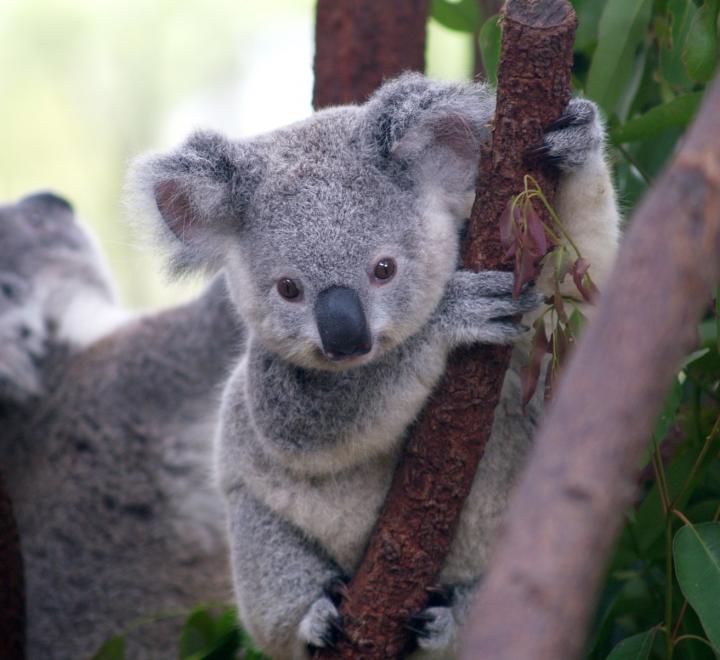
“The koala, red goshawk, matted flax-lily and purple clover are more efficient umbrella species, yet none of these appear on the existing federal government priority species list.

“Australia has committed to prevent further extinction of known threatened species and improve their conservation status by 2020.

“Yet, with limited funding committed to conservation, we need better methods to efficiently prioritise investment of resources.”

The study’s senior author, UQ and the Nature Conservancy’s Professor Hugh Possingham said in a time of crisis, smart decision-making was essential.

“Now is precisely the time where governments need to get their investment in nature to be as efficient as possible,” he said.

“Nations around the world can significantly improve the selection of umbrella species for conservation action by taking advantage of our transparent, quantitative and objective prioritisation approach.

“With a species extinction crisis, looming international deadlines and limited conservation funding globally, we need better methods to efficiently prioritise investment of resources in species recovery.”

###

The study, published in Conservation Biology (DOI: 10.1111/cobi.13430), was conducted by UQ, The Nature Conservancy, the Wildlife Conservation Society and the United Nations Development Program.

Media Contact
Michelle Ward
[email protected]
61-474-037-657

Original Source

https://www.uq.edu.au/news/article/2020/01/new-umbrella%E2%80%99-species-would-massively-improve-conservation

Related Journal Article

http://dx.doi.org/10.1111/cobi.13430

Tags: BiodiversityBiologyEcology/EnvironmentPopulation Biology
Share12Tweet8Share2ShareShareShare2

Related Posts

blank

Rice miRNA: Key Regulator in Fungal Interactions

December 3, 2025
Human Impact Alters Leopard and Ungulate Dynamics

Human Impact Alters Leopard and Ungulate Dynamics

December 3, 2025

Adaptive Microsatellite Variants in Indian Yak Populations

December 2, 2025

Guide to Single-Cell RNA Transcriptomics Unveiled

December 2, 2025
Please login to join discussion

POPULAR NEWS

  • New Research Unveils the Pathway for CEOs to Achieve Social Media Stardom

    New Research Unveils the Pathway for CEOs to Achieve Social Media Stardom

    204 shares
    Share 82 Tweet 51
  • Scientists Uncover Chameleon’s Telephone-Cord-Like Optic Nerves, A Feature Missed by Aristotle and Newton

    121 shares
    Share 48 Tweet 30
  • Neurological Impacts of COVID and MIS-C in Children

    107 shares
    Share 43 Tweet 27
  • MoCK2 Kinase Shapes Mitochondrial Dynamics in Rice Fungal Pathogen

    69 shares
    Share 28 Tweet 17

About

We bring you the latest biotechnology news from best research centers and universities around the world. Check our website.

Follow us

Recent News

Boosting Cancer Immunotherapy by Targeting DNA Repair

Evaluating eGFR Equations in Chinese Children

Metformin-Alogliptin Combo vs. Monotherapy in Diabetes

Subscribe to Blog via Email

Enter your email address to subscribe to this blog and receive notifications of new posts by email.

Join 69 other subscribers
  • Contact Us

Bioengineer.org © Copyright 2023 All Rights Reserved.

Welcome Back!

Login to your account below

Forgotten Password?

Retrieve your password

Please enter your username or email address to reset your password.

Log In
No Result
View All Result
  • Homepages
    • Home Page 1
    • Home Page 2
  • News
  • National
  • Business
  • Health
  • Lifestyle
  • Science

Bioengineer.org © Copyright 2023 All Rights Reserved.