• HOME
  • NEWS
  • EXPLORE
    • CAREER
      • Companies
      • Jobs
    • EVENTS
    • iGEM
      • News
      • Team
    • PHOTOS
    • VIDEO
    • WIKI
  • BLOG
  • COMMUNITY
    • FACEBOOK
    • INSTAGRAM
    • TWITTER
Saturday, February 7, 2026
BIOENGINEER.ORG
No Result
View All Result
  • Login
  • HOME
  • NEWS
  • EXPLORE
    • CAREER
      • Companies
      • Jobs
        • Lecturer
        • PhD Studentship
        • Postdoc
        • Research Assistant
    • EVENTS
    • iGEM
      • News
      • Team
    • PHOTOS
    • VIDEO
    • WIKI
  • BLOG
  • COMMUNITY
    • FACEBOOK
    • INSTAGRAM
    • TWITTER
  • HOME
  • NEWS
  • EXPLORE
    • CAREER
      • Companies
      • Jobs
        • Lecturer
        • PhD Studentship
        • Postdoc
        • Research Assistant
    • EVENTS
    • iGEM
      • News
      • Team
    • PHOTOS
    • VIDEO
    • WIKI
  • BLOG
  • COMMUNITY
    • FACEBOOK
    • INSTAGRAM
    • TWITTER
No Result
View All Result
Bioengineer.org
No Result
View All Result
Home NEWS Science News Health

Insights into a versatile molecular death switch

Bioengineer by Bioengineer
November 26, 2019
in Health
Reading Time: 2 mins read
0
IMAGE
Share on FacebookShare on TwitterShare on LinkedinShare on RedditShare on Telegram

IMAGE

Credit: University of Cologne, CECAD

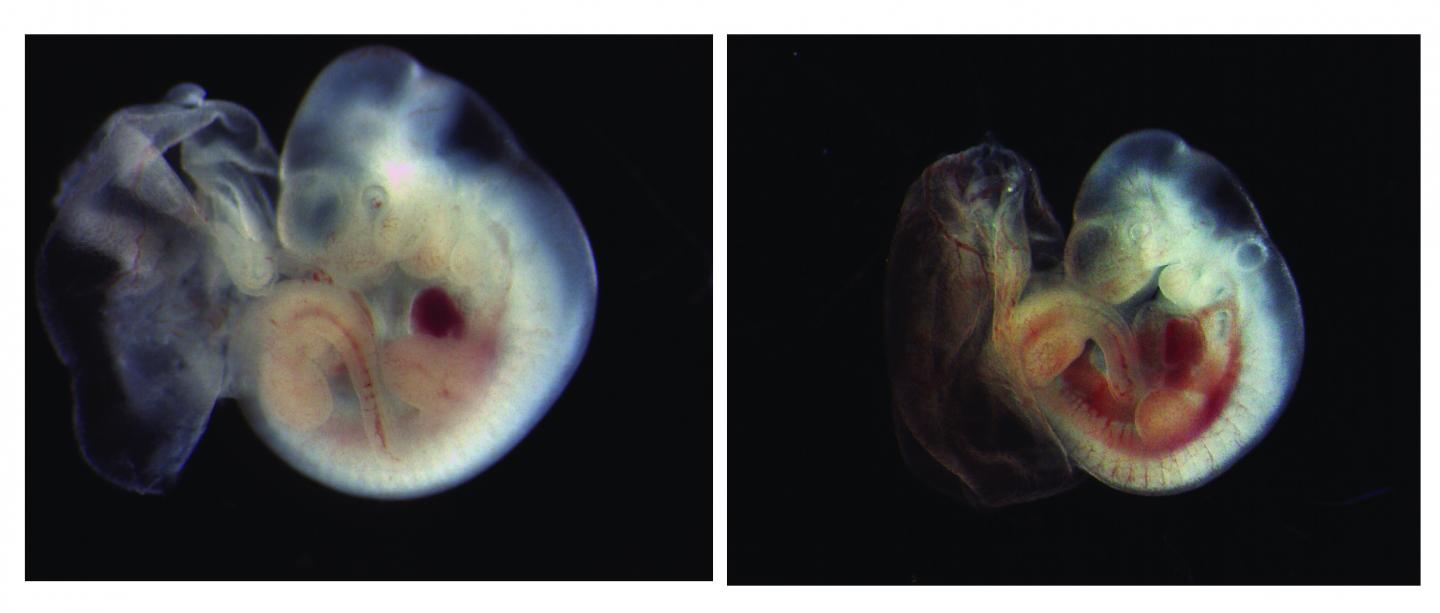
The enzyme caspase-8 induces a molecular cell death programme called pyroptosis without involving its enzymatic activity, a new study by Hamid Kashkar published in Nature shows. In order to safeguard healthy and functioning tissues, cells utilize different cell death mechanisms to dispose of unwanted cells (e.g. infected or aged cells). Apoptosis is a ‘cellular suicide programme’ that does not cause tissue injury and is induced by caspase-8. Necroptosis is another mode of regulated cell death which causes cellular damage and is normally engaged when caspase-8 is inhibited. Pyroptosis describes an inflammatory mode of regulated cellular death process, which is normally activated in response to microbial pathogens and is central for mounting anti-microbial immunity. Hamid Kashkar and his team have now shown that caspase-8 not only controls apoptosis and necroptosis but pyroptosis as well. The study ‘Caspase-8 is the molecular switch for apoptosis, necroptosis and pyroptosis’ was published in Nature.

The research team studied the biological roles of caspase-8 in cell cultures and mice. Kashkar’s group showed that the enzymatic activity of caspase-8 is required to inhibit pyroptosis. ‘We found out that the expression of inactive caspase-8 causes embryonic lethality and inflammatory tissue destruction. This could only be restored when necropto¬¬sis and pyroptosis were simultaneously blocked,’ Hamid Kashkar explains. The lack of caspase-8 enzymatic activity primarily causes necroptotic cell death. Interestingly, when necroptosis is blocked, the inactive caspase-8 serves as a protein scaffold for the formation of a signalling protein complex called inflammasome, which ultimately induces pyroptosis. ‘Microbial pathogens are heavily reliant on the fate of infected cells and have evolved a number of strategies to inhibit apoptosis and necroptosis,’ Hamid Kashkar adds.

The current study hypothesises that these strategies may have driven the counter-evolution of pyroptosis to secure cellular death as a host defence mechanism. The caspase-8-mediated switch between different modes of cell death adds a critical layer to the plasticity of cell death-induced immunity, which is increasingly involved in aging-associated disorders.

###

Media Contact
Hamid Kashkar
[email protected]
49-221-478-84091

Related Journal Article

http://dx.doi.org/10.1038/s41586-019-1770-6

Tags: AgingCell BiologyMedicine/Health
Share12Tweet8Share2ShareShareShare2

Related Posts

Palmitoylation of Tfr1 Drives Platelet Ferroptosis and Exacerbates Liver Damage in Heat Stroke

February 7, 2026

Oxygen-Enhanced Dual-Section Microneedle Patch Improves Drug Delivery and Boosts Photodynamic and Anti-Inflammatory Treatment for Psoriasis

February 7, 2026

Scientists Identify SARS-CoV-2 PLpro and RIPK1 Inhibitors Showing Potent Synergistic Antiviral Effects in Mouse COVID-19 Model

February 7, 2026

Neg-Entropy: The Key Therapeutic Target for Chronic Diseases

February 7, 2026
Please login to join discussion

POPULAR NEWS

  • Robotic Ureteral Reconstruction: A Novel Approach

    Robotic Ureteral Reconstruction: A Novel Approach

    82 shares
    Share 33 Tweet 21
  • Digital Privacy: Health Data Control in Incarceration

    63 shares
    Share 25 Tweet 16
  • Study Reveals Lipid Accumulation in ME/CFS Cells

    57 shares
    Share 23 Tweet 14
  • Breakthrough in RNA Research Accelerates Medical Innovations Timeline

    53 shares
    Share 21 Tweet 13

About

We bring you the latest biotechnology news from best research centers and universities around the world. Check our website.

Follow us

Recent News

Palmitoylation of Tfr1 Drives Platelet Ferroptosis and Exacerbates Liver Damage in Heat Stroke

Oxygen-Enhanced Dual-Section Microneedle Patch Improves Drug Delivery and Boosts Photodynamic and Anti-Inflammatory Treatment for Psoriasis

Scientists Identify SARS-CoV-2 PLpro and RIPK1 Inhibitors Showing Potent Synergistic Antiviral Effects in Mouse COVID-19 Model

Subscribe to Blog via Email

Enter your email address to subscribe to this blog and receive notifications of new posts by email.

Join 73 other subscribers
  • Contact Us

Bioengineer.org © Copyright 2023 All Rights Reserved.

Welcome Back!

Login to your account below

Forgotten Password?

Retrieve your password

Please enter your username or email address to reset your password.

Log In
No Result
View All Result
  • Homepages
    • Home Page 1
    • Home Page 2
  • News
  • National
  • Business
  • Health
  • Lifestyle
  • Science

Bioengineer.org © Copyright 2023 All Rights Reserved.