• HOME
  • NEWS
  • EXPLORE
    • CAREER
      • Companies
      • Jobs
    • EVENTS
    • iGEM
      • News
      • Team
    • PHOTOS
    • VIDEO
    • WIKI
  • BLOG
  • COMMUNITY
    • FACEBOOK
    • INSTAGRAM
    • TWITTER
Saturday, February 7, 2026
BIOENGINEER.ORG
No Result
View All Result
  • Login
  • HOME
  • NEWS
  • EXPLORE
    • CAREER
      • Companies
      • Jobs
        • Lecturer
        • PhD Studentship
        • Postdoc
        • Research Assistant
    • EVENTS
    • iGEM
      • News
      • Team
    • PHOTOS
    • VIDEO
    • WIKI
  • BLOG
  • COMMUNITY
    • FACEBOOK
    • INSTAGRAM
    • TWITTER
  • HOME
  • NEWS
  • EXPLORE
    • CAREER
      • Companies
      • Jobs
        • Lecturer
        • PhD Studentship
        • Postdoc
        • Research Assistant
    • EVENTS
    • iGEM
      • News
      • Team
    • PHOTOS
    • VIDEO
    • WIKI
  • BLOG
  • COMMUNITY
    • FACEBOOK
    • INSTAGRAM
    • TWITTER
No Result
View All Result
Bioengineer.org
No Result
View All Result
Home NEWS Science News Health

Climate change is reshaping communities of ocean organisms

Bioengineer by Bioengineer
November 25, 2019
in Health
Reading Time: 2 mins read
0
IMAGE
Share on FacebookShare on TwitterShare on LinkedinShare on RedditShare on Telegram

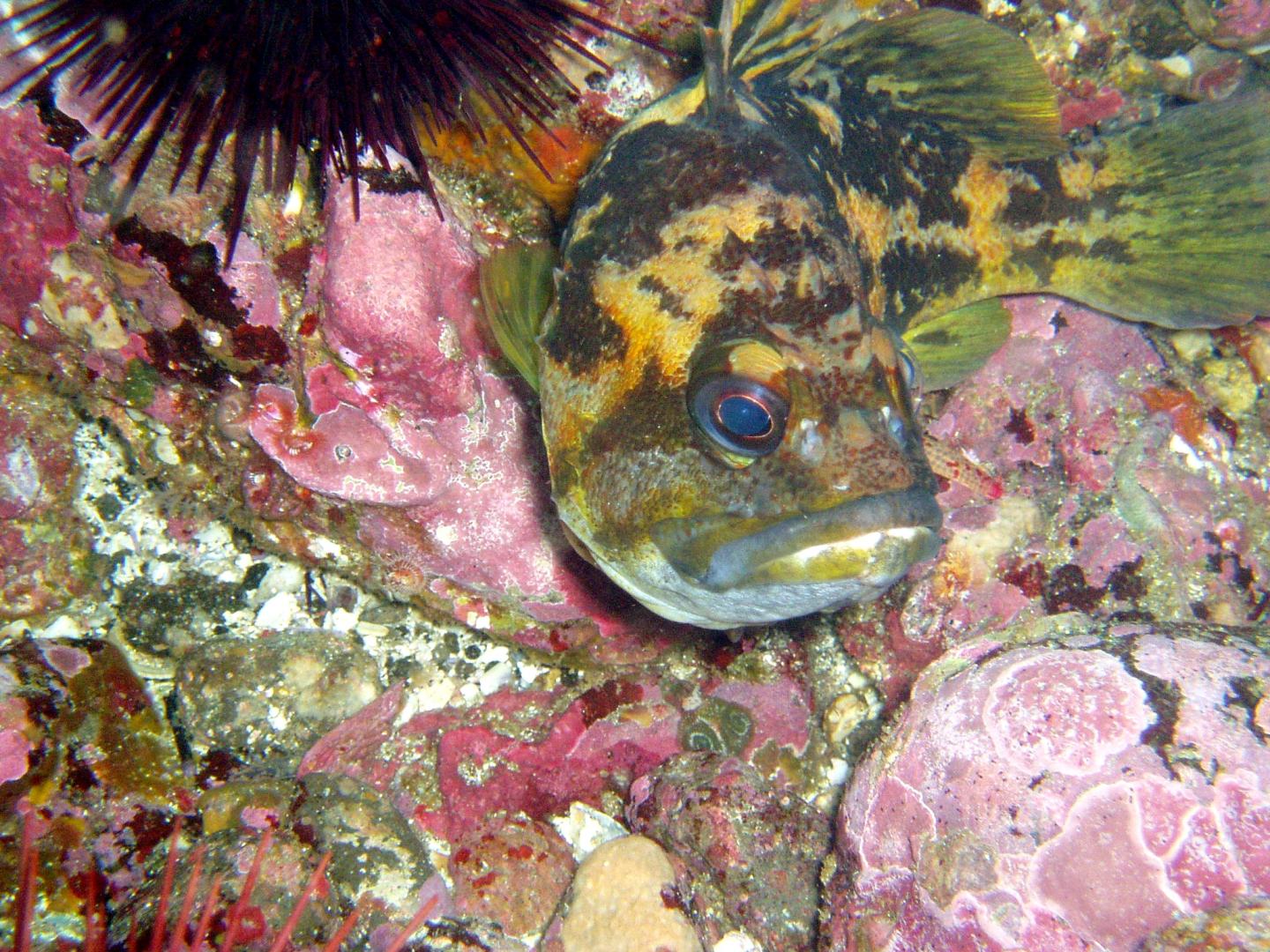
Warm-water species are rapidly increasing and cold-water species are decreasing
IMAGE

Credit: Claire Fackler/CINMS, NOAA


Climate change is reshaping communities of fish and other sea life, according to a pioneering study on how ocean warming is affecting the mix of species.

The study, published in the journal Nature Climate Change, covers species that are important for fisheries and that serve as food for fish, such as copepods and other zooplankton.

“The changes we’re observing ripple throughout local and global economies all the way to our dinner plates,” said co-author Malin Pinsky, an associate professor in the Department of Ecology, Evolution, and Natural Resources in the School of Environmental and Biological Sciences at Rutgers University-New Brunswick.

“We found dramatic evidence that changing temperatures are already reshaping communities of ocean organisms,” Pinsky said. “We found that warm-water species are rapidly increasing and cold-water marine species are decreasing as the global temperature rises. Changes like this are often disrupting our fisheries and ocean food chains.”

An international team of scientists also found evidence that species in some places can avoid declines by seeking refuge in cooler, deeper water – like plants on land that move to higher elevations to avoid heat, Pinsky said.

The scientists compiled the most comprehensive assessment of how ocean warming is affecting the mix of species in our oceans. They looked at fishes, invertebrates such as crabs and other crustaceans and plankton in the North Atlantic and North Pacific, across two continents and two oceans. They analyzed three million records of thousands of species from 200 ecological communities across the globe from 1985 to 2014.

Regions with stable temperatures (the Northeast Pacific and Gulf of Mexico, for example) show little change in species dominance, while warming areas (the North Atlantic, for example) are experiencing strong shifts toward the dominance of warm-water species, the study says.

Temperature is a fundamental driver for change in marine systems, with restructuring of communities in the most rapidly warming areas. Still, the data “suggest a strong prognosis of resilience to climate change for these communities,” the study says.

“We’re now trying to understand how the changes we see in the ocean compare with those on land and in freshwater ecosystems,” said Pinsky, who is also a sabbatical professor at the German Centre for Integrative Biodiversity Research (iDiv) Halle-Jena-Leipzig.

###

Scientists at many institutions, led by the Scottish Association for Marine Science, contributed to the study.

Media Contact
Todd Bates
[email protected]
848-932-0550

Original Source

https://news.rutgers.edu/climate-change-reshaping-communities-ocean-organisms/20191122

Related Journal Article

http://dx.doi.org/10.1038/s41558-019-0631-5

Tags: BiologyClimate ChangeEcology/EnvironmentFisheries/AquacultureFood/Food ScienceMarine/Freshwater BiologyNutrition/NutrientsOceanographyTemperature-Dependent Phenomena
Share12Tweet8Share2ShareShareShare2

Related Posts

Evaluating Pediatric Emergency Care Quality in Ethiopia

February 7, 2026

TPMT Expression Predictions Linked to Azathioprine Side Effects

February 7, 2026

Improving Dementia Care with Enhanced Activity Kits

February 7, 2026

Decoding Prostate Cancer Origins via snFLARE-seq, mxFRIZNGRND

February 7, 2026
Please login to join discussion

POPULAR NEWS

  • Robotic Ureteral Reconstruction: A Novel Approach

    Robotic Ureteral Reconstruction: A Novel Approach

    82 shares
    Share 33 Tweet 21
  • Digital Privacy: Health Data Control in Incarceration

    63 shares
    Share 25 Tweet 16
  • Study Reveals Lipid Accumulation in ME/CFS Cells

    57 shares
    Share 23 Tweet 14
  • Breakthrough in RNA Research Accelerates Medical Innovations Timeline

    53 shares
    Share 21 Tweet 13

About

We bring you the latest biotechnology news from best research centers and universities around the world. Check our website.

Follow us

Recent News

Evaluating Pediatric Emergency Care Quality in Ethiopia

TPMT Expression Predictions Linked to Azathioprine Side Effects

Improving Dementia Care with Enhanced Activity Kits

Subscribe to Blog via Email

Enter your email address to subscribe to this blog and receive notifications of new posts by email.

Join 73 other subscribers
  • Contact Us

Bioengineer.org © Copyright 2023 All Rights Reserved.

Welcome Back!

Login to your account below

Forgotten Password?

Retrieve your password

Please enter your username or email address to reset your password.

Log In
No Result
View All Result
  • Homepages
    • Home Page 1
    • Home Page 2
  • News
  • National
  • Business
  • Health
  • Lifestyle
  • Science

Bioengineer.org © Copyright 2023 All Rights Reserved.