• HOME
  • NEWS
  • EXPLORE
    • CAREER
      • Companies
      • Jobs
    • EVENTS
    • iGEM
      • News
      • Team
    • PHOTOS
    • VIDEO
    • WIKI
  • BLOG
  • COMMUNITY
    • FACEBOOK
    • INSTAGRAM
    • TWITTER
Tuesday, December 23, 2025
BIOENGINEER.ORG
No Result
View All Result
  • Login
  • HOME
  • NEWS
  • EXPLORE
    • CAREER
      • Companies
      • Jobs
        • Lecturer
        • PhD Studentship
        • Postdoc
        • Research Assistant
    • EVENTS
    • iGEM
      • News
      • Team
    • PHOTOS
    • VIDEO
    • WIKI
  • BLOG
  • COMMUNITY
    • FACEBOOK
    • INSTAGRAM
    • TWITTER
  • HOME
  • NEWS
  • EXPLORE
    • CAREER
      • Companies
      • Jobs
        • Lecturer
        • PhD Studentship
        • Postdoc
        • Research Assistant
    • EVENTS
    • iGEM
      • News
      • Team
    • PHOTOS
    • VIDEO
    • WIKI
  • BLOG
  • COMMUNITY
    • FACEBOOK
    • INSTAGRAM
    • TWITTER
No Result
View All Result
Bioengineer.org
No Result
View All Result
Home NEWS Science News Biology

A century later, plant biodiversity struggles in wake of agricultural abandonment

Bioengineer by Bioengineer
November 18, 2019
in Biology
Reading Time: 3 mins read
0
IMAGE
Share on FacebookShare on TwitterShare on LinkedinShare on RedditShare on Telegram

IMAGE

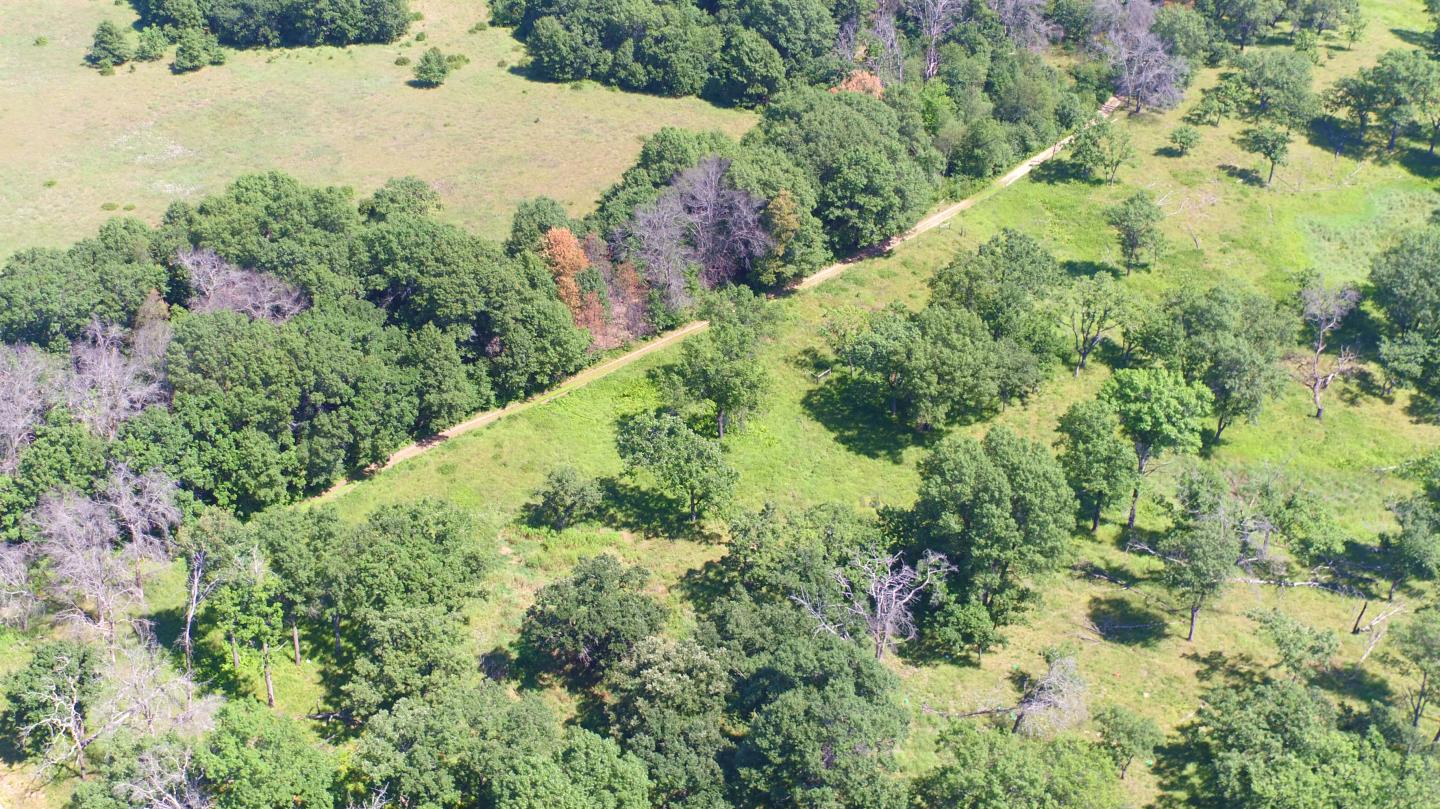
Credit: Credit: Forest Isbell.


Decades after farmland was abandoned, plant biodiversity and productivity struggle to recover, according to new University of Minnesota research.

Published in the journal Nature Ecology & Evolution, researchers examined 37 years of data tied to plant biodiversity (i.e., number of different species) and plant productivity (i.e., biomass or amount of plants) related to 21 grasslands and savannas in Minnesota. Most of these fields had been ploughed and abandoned for agricultural use between one and 91 years prior.

Researchers then compared the plots to nearby land that has not been significantly impacted by human activity.

The study found that:

  • local grassland plant diversity increased significantly over time, but incompletely recovered, and plant productivity did not significantly recover;
  • one year after abandonment, the fields had, on average, 38% of the plant diversity and 34% of the plant productivity for the land that was never ploughed;
  • 91 years after abandonment, the fields had 73% of the plant diversity and 53% of the plant productivity.

“When taken at a global scale, fossil records indicate plant species are going extinct at rates hundreds of times faster than the natural extinction rate,” said Forest Isbell, assistant professor in the College of Biological Sciences (CBS) and co-author on this study. “At this localized level, we’re seeing how human activity can impact the loss of species.”

Researchers suggest that the slow and incomplete recovery of species on abandoned farmland in Minnesota is likely happening in ecosystems around the world where land has been cleared for agriculture, logging or other human activities.

“The amount of land being used for agricultural purposes has slowly been decreasing, leaving some 11 million square miles of old fields and recovering forests across our planet,” said Adam Clark, study co-author and CBS graduate who is currently a postdoctoral researcher with the Helmholtz Center for Environmental Research at the German Centre for Integrative Biodiversity Research. “In these spaces, active restoration efforts may often be needed to restore biodiversity and prevent the extinction of species.”

Restoration tactics can include using prescribed burns, dispersing seeds, using haying to remove nutrients added through fertilization and reintroducing others in the food chain (e.g., herbivores, predators) pushed out of the area.

“This is an unprecedented opportunity for us — humans as species — to restore ecosystems and help mitigate the threat extinctions could have on our planet and our own well-being,” said Isbell, an expert in biodiversity, as well as ecosystem functioning, stability and services.

###

CBS Professor David Tilman and College of Food, Agricultural and Natural Resource Sciences Professor Peter Reich also co-authored this paper.

Funding was provided by the U.S. National Science Foundation’s (NSF) Long-Term Ecological Research (LTER) program (DEB-1831944), the LTER Network Communications Office (DEB-1545288) and an NSF Career award (DEB-1845334).

Media Contact
University of Minnesota Public Relations
[email protected]
612-624-5551

Original Source

https://twin-cities.umn.edu/news-events/research-brief-century-later-plant-biodiversity-struggles-wake-agricultural-abandonment

Related Journal Article

http://dx.doi.org/10.1038/s41559-019-1012-1

Tags: Agricultural Production/EconomicsAgricultureBiodiversityBiologyEcology/Environment
Share12Tweet8Share2ShareShareShare2

Related Posts

Sulforaphane: Sources, Extraction, Bioactivity, and Bioavailability

Sulforaphane: Sources, Extraction, Bioactivity, and Bioavailability

December 23, 2025
Carbonic Anhydrase Nce103 Drives Candida Auris Resistance

Carbonic Anhydrase Nce103 Drives Candida Auris Resistance

December 23, 2025

GATA1’s Role in Gonadal Development of Blood Clam

December 23, 2025

Splice Junction Mutations Disrupt Gene Function, Linked to Disease

December 23, 2025
Please login to join discussion

POPULAR NEWS

  • Nurses’ Views on Online Learning: Effects on Performance

    Nurses’ Views on Online Learning: Effects on Performance

    70 shares
    Share 28 Tweet 18
  • NSF funds machine-learning research at UNO and UNL to study energy requirements of walking in older adults

    71 shares
    Share 28 Tweet 18
  • Unraveling Levofloxacin’s Impact on Brain Function

    54 shares
    Share 22 Tweet 14
  • Exploring Audiology Accessibility in Johannesburg, South Africa

    51 shares
    Share 20 Tweet 13

About

We bring you the latest biotechnology news from best research centers and universities around the world. Check our website.

Follow us

Recent News

Health Service Use Among Cochlear Implant Adults

Tattoos Aid Identification of Johannesburg’s Unidentified Dead

Revolutionary Additive Boosts Lithium Metal Battery Retention

Subscribe to Blog via Email

Enter your email address to subscribe to this blog and receive notifications of new posts by email.

Join 70 other subscribers
  • Contact Us

Bioengineer.org © Copyright 2023 All Rights Reserved.

Welcome Back!

Login to your account below

Forgotten Password?

Retrieve your password

Please enter your username or email address to reset your password.

Log In
No Result
View All Result
  • Homepages
    • Home Page 1
    • Home Page 2
  • News
  • National
  • Business
  • Health
  • Lifestyle
  • Science

Bioengineer.org © Copyright 2023 All Rights Reserved.