• HOME
  • NEWS
  • EXPLORE
    • CAREER
      • Companies
      • Jobs
    • EVENTS
    • iGEM
      • News
      • Team
    • PHOTOS
    • VIDEO
    • WIKI
  • BLOG
  • COMMUNITY
    • FACEBOOK
    • INSTAGRAM
    • TWITTER
Tuesday, June 30, 2026
BIOENGINEER.ORG
No Result
View All Result
  • Login
  • HOME
  • NEWS
  • EXPLORE
    • CAREER
      • Companies
      • Jobs
        • Lecturer
        • PhD Studentship
        • Postdoc
        • Research Assistant
    • EVENTS
    • iGEM
      • News
      • Team
    • PHOTOS
    • VIDEO
    • WIKI
  • BLOG
  • COMMUNITY
    • FACEBOOK
    • INSTAGRAM
    • TWITTER
  • HOME
  • NEWS
  • EXPLORE
    • CAREER
      • Companies
      • Jobs
        • Lecturer
        • PhD Studentship
        • Postdoc
        • Research Assistant
    • EVENTS
    • iGEM
      • News
      • Team
    • PHOTOS
    • VIDEO
    • WIKI
  • BLOG
  • COMMUNITY
    • FACEBOOK
    • INSTAGRAM
    • TWITTER
No Result
View All Result
Bioengineer.org
No Result
View All Result
Home NEWS Science News Chemistry

Study offers solution to Ice Age ocean chemistry puzzle

Bioengineer by Bioengineer
October 10, 2019
in Chemistry
Reading Time: 3 mins read
0
IMAGE
Share on FacebookShare on TwitterShare on LinkedinShare on RedditShare on Telegram

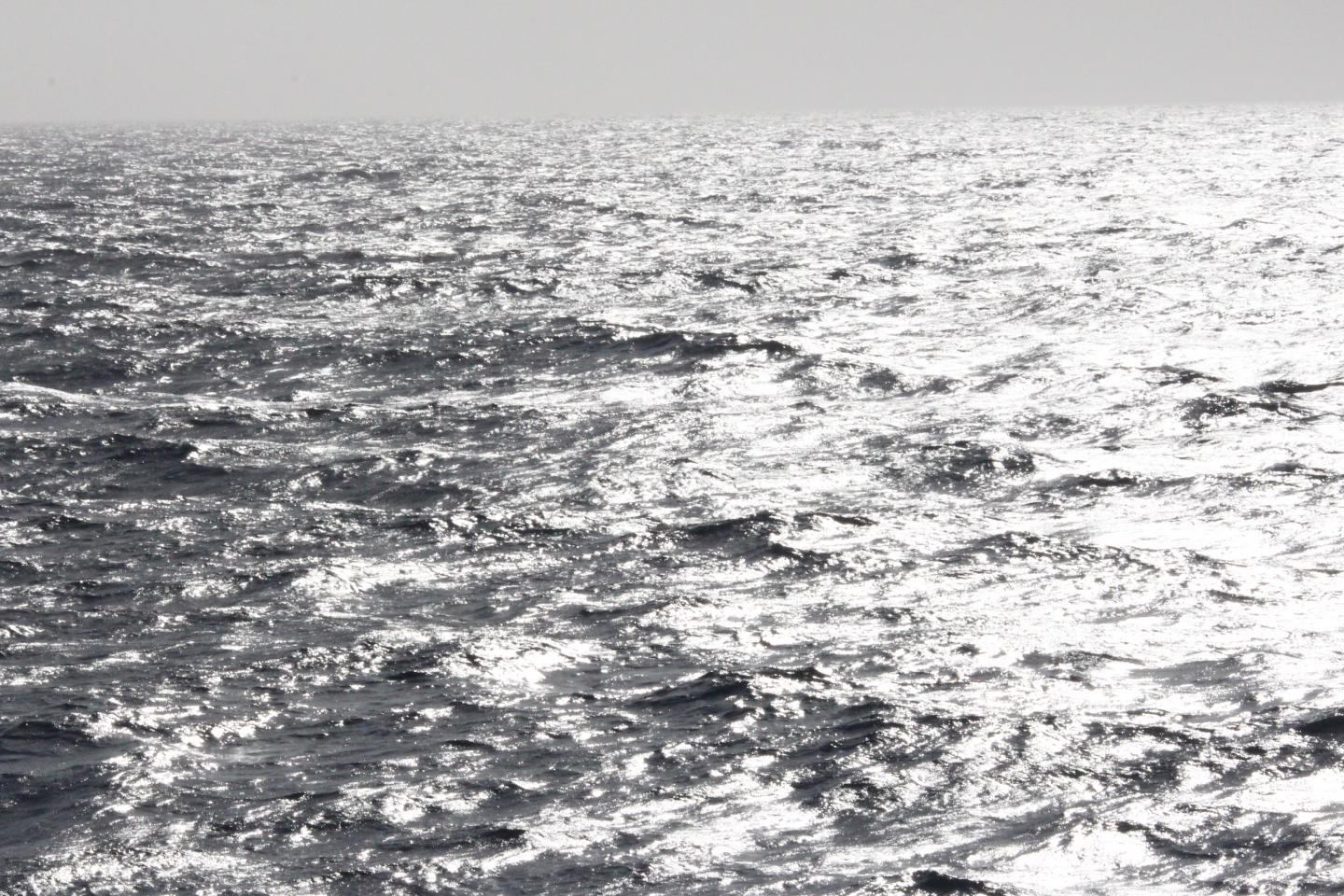
IMAGE

Credit: IMAS

New research into the chemistry of the oceans during ice ages is helping to solve a puzzle that has engaged scientists for more than two decades.

At issue is how much of the CO2 that entered the ocean during ice ages can be attributed to the ‘biological pump’, where atmospheric carbon is absorbed by phytoplankton and sequestered to the seafloor as organisms die and sink.

Solving the puzzle is important to improve the accuracy of climate models and inform understanding of how ocean processes may react to future climate change.

Led by IMAS and University of Liverpool scientists and published in Nature Communications, the study found ice age phytoplankton in the tropics absorbed high levels of CO2 due to fertilisation by iron-rich dust blowing into the ocean.

Lead author Dr Pearse Buchanan said that until now models had only been able to explain a portion of the CO2 that entered ice age oceans via the biological pump.

“During past ice ages, carbon levels were lower in the atmosphere and higher in the oceans than today, but scientific models aren’t able to account for all of the additional CO2 that entered the ocean,” Dr Buchanan said.

“The leading hypothesis has been that iron-rich dust blown from glacial landscapes stimulated phytoplankton growth in high latitudes, but this only explained around one-third of the extra CO2 absorbed through the biological pump: the other two-thirds was effectively ‘missing’.

“We used an ocean model to look at the response to iron rich dust of phytoplankton in tropical waters, particularly a group of phytoplankton called “nitrogen fixers”.

“These are able to biochemically ‘fix’ nitrogen from the atmosphere, much like nitrogen fixing bacteria that help legume crops thrive in nutrient poor soil.

“Marine nitrogen fixers are known to be important in the marine nitrogen cycle, and now we’ve shown they’re also critically important in the marine carbon cycle.

“When we added iron to our ocean model, nitrogen fixers thrived, and their growth and subsequent sinking to the deep ocean can account for much of the missing CO2,” Dr Buchanan said.

IMAS Associate Professor Zanna Chase said this solution was first proposed in 1997 but had gained little traction over the last two decades.

“The beauty of this approach is that it can explain almost all of the additional CO2 that phytoplankton transported into the oceans during the last Ice Age,” Associate Professor Chase said.

“The increased activity of the biological pump in the tropics complemented that happening in colder waters, drawing higher levels of CO2 into the oceans and locking it away in the deep ocean.

“This pathway for carbon to the deep ocean is reduced today because less fertilising iron is being circulated by the wind and phytoplankton growth, including that of nitrogen fixers, is correspondingly limited, although there are signs that it has strengthened within the Pacific since the industrial revolution.

“Taking account of these links between the cycles of iron, nitrogen and carbon in our ocean and climate change models will make them better able to explain ocean processes and predict future changes.

“But how iron fertilisation of phytoplankton will evolve is currently uncertain, undermining our ability to predict the ocean’s role in drawing CO2 out of the atmosphere in the coming centuries,” Associate Professor Chase said.

###

Media Contact
Andrew Rhodes
[email protected]
61-362-266-683

Related Journal Article

http://dx.doi.org/10.1038/s41467-019-12549-z

Tags: BiochemistryClimate ChangeClimate ScienceEarth ScienceMarine/Freshwater BiologyOceanography
Share16Tweet10Share3ShareShareShare2

Related Posts

From Cells to Boundaries: Unveiling the Origins of Biological Order — Chemistry

From Cells to Boundaries: Unveiling the Origins of Biological Order

June 30, 2026

AI and Physics Collaborate to Design Advanced Hydrogen Storage Materials

June 25, 2026

International Team Including Dresden Scientists Develops Novel Designer Proteins for Advanced Study of Living Tissue

June 25, 2026

New Study Uncovers Key Factors Driving Water Chemistry in Nanoscale Environments

June 25, 2026
Please login to join discussion

POPULAR NEWS

  • Saying Goodbye to PGY-6: Pediatric Fellowship Realities

    103 shares
    Share 41 Tweet 26
  • Detection of EDCs in Breast Milk and Infant Urine Up to Six Months Highlights Early Exposure Risks

    77 shares
    Share 31 Tweet 19
  • New Drug Candidate Developed at McMaster Shows Potential for Treating Brain Cancer

    58 shares
    Share 23 Tweet 15
  • KTU Researchers Explore Ultrasound’s Role in Enhancing Blood Flow Beyond Diagnostics

    53 shares
    Share 21 Tweet 13

About

We bring you the latest biotechnology news from best research centers and universities around the world. Check our website.

Follow us

Recent News

Brain Signals Body After Injury: Review Suggests Discarded Vesicles May Drive Repair

How a Common Probiotic Ingredient Transforms Immune Cells into Tumor-Fighting Warriors

Why the Same Alzheimer’s Blood Marker Might Indicate a More Serious Condition in Men: Examining the Evidence

Subscribe to Blog via Email

Enter your email address to subscribe to this blog and receive notifications of new posts by email.

Join 82 other subscribers
  • Contact Us

Bioengineer.org © Copyright 2023 All Rights Reserved.

Welcome Back!

Login to your account below

Forgotten Password?

Retrieve your password

Please enter your username or email address to reset your password.

Log In
No Result
View All Result
  • Homepages
    • Home Page 1
    • Home Page 2
  • News
  • National
  • Business
  • Health
  • Lifestyle
  • Science

Bioengineer.org © Copyright 2023 All Rights Reserved.