• HOME
  • NEWS
  • EXPLORE
    • CAREER
      • Companies
      • Jobs
    • EVENTS
    • iGEM
      • News
      • Team
    • PHOTOS
    • VIDEO
    • WIKI
  • BLOG
  • COMMUNITY
    • FACEBOOK
    • INSTAGRAM
    • TWITTER
Wednesday, April 1, 2026
BIOENGINEER.ORG
No Result
View All Result
  • Login
  • HOME
  • NEWS
  • EXPLORE
    • CAREER
      • Companies
      • Jobs
        • Lecturer
        • PhD Studentship
        • Postdoc
        • Research Assistant
    • EVENTS
    • iGEM
      • News
      • Team
    • PHOTOS
    • VIDEO
    • WIKI
  • BLOG
  • COMMUNITY
    • FACEBOOK
    • INSTAGRAM
    • TWITTER
  • HOME
  • NEWS
  • EXPLORE
    • CAREER
      • Companies
      • Jobs
        • Lecturer
        • PhD Studentship
        • Postdoc
        • Research Assistant
    • EVENTS
    • iGEM
      • News
      • Team
    • PHOTOS
    • VIDEO
    • WIKI
  • BLOG
  • COMMUNITY
    • FACEBOOK
    • INSTAGRAM
    • TWITTER
No Result
View All Result
Bioengineer.org
No Result
View All Result
Home NEWS Science News Cancer

Georgia state signs license agreement to develop non-invasive method of diagnosing liver fibrosis

Bioengineer by Bioengineer
June 13, 2019
in Cancer
Reading Time: 2 mins read
0
IMAGE
Share on FacebookShare on TwitterShare on LinkedinShare on RedditShare on Telegram

IMAGE

Credit: Georgia State University

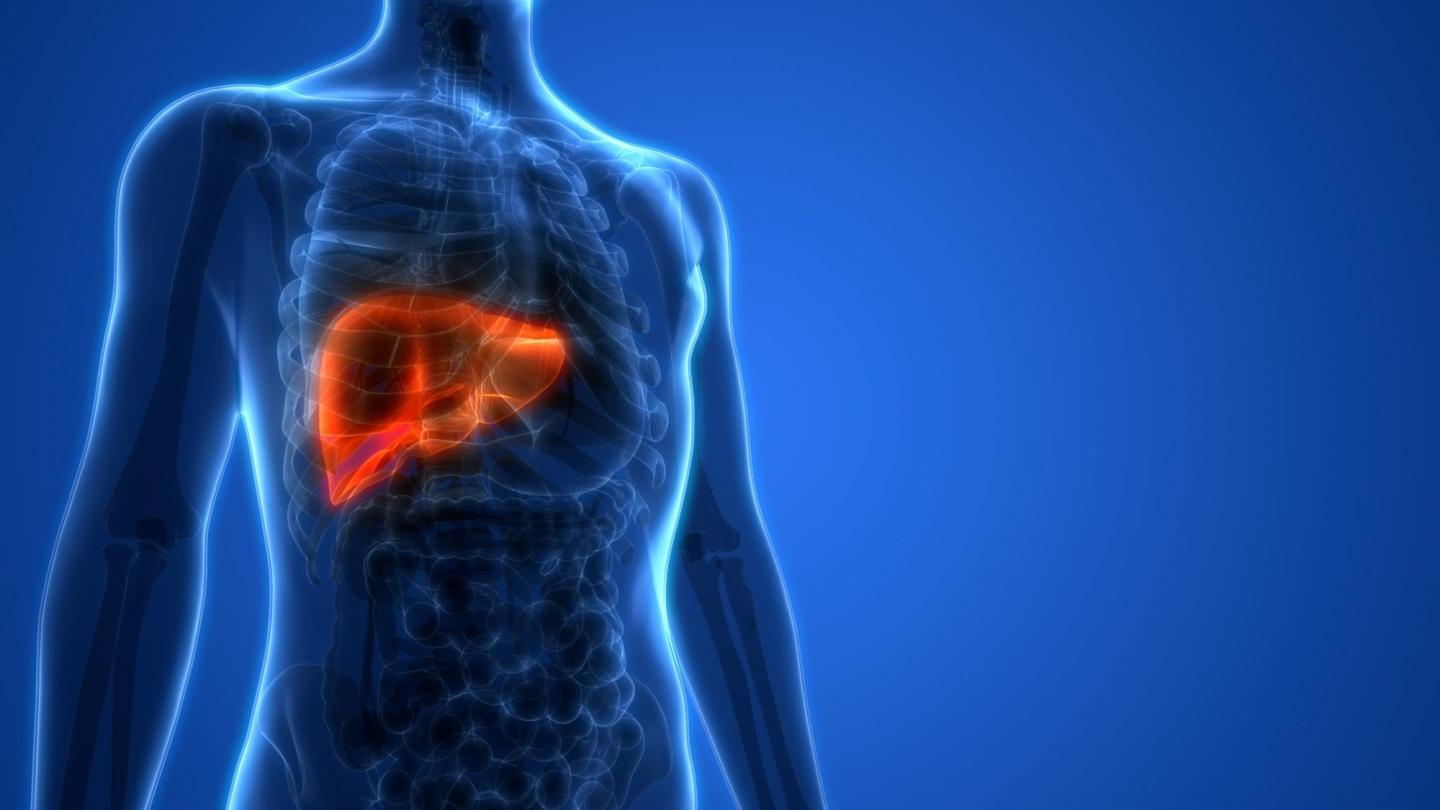
Georgia State University has signed a license agreement with Precision MedCare LLC, a biomedical solutions company founded by Yi Jiang, professor of mathematics and statistics in the College of Arts & Sciences, to further develop a non-invasive method to detect liver fibrosis.

The technology was created by Jiang and her students, and is based on a machine-learning algorithm that interprets data from ultrasound scans.

Fibrosis, the formation of scar tissue in the liver, is a clinical manifestation of chronic liver conditions, including fatty liver diseases, alcohol-related liver disease, hepatitis and other viral infections. Fibrosis can eventually interrupt blood flow to the liver and interfere with normal organ function, causing cirrhosis.

“Late-stage fibrosis is irreversible,” says Jiang. “Unfortunately, the early stages of liver fibrosis are often asymptomatic, so by the time the disease is detected it’s often too late for intervention.”

Available methods of diagnosing fibrosis and cirrhosis carry limitations. Liver biopsy is invasive and false positive or false negatives are common because of sampling error. A non-invasive procedure known as ultrasound elastometry, which measures the speed at which sound waves pass through the liver, indicating how stiff or rigid the organ tissue is, is expensive and is typically only used in large hospital settings. The results may also be unreliable for obese patients. Magnetic resonance imaging and magnetic resonance elastography, while promising, are also expensive and not always accessible for patients.

By using Doppler ultrasound scans, a widely available, non-invasive test that measures blood flow, Jiang’s technology can be administered in a variety of clinical settings. The algorithm analyzes how blood flow dynamics are impaired by liver rigidity or stiffness, reflecting the condition of the organ as a whole and eliminating the issue of sampling error. Medical professionals can use the test to diagnose a precise stage of fibrosis, ranging from minimal scarring (stage 1) to cirrhosis (stage 4).

“We can detect early-stage fibrosis with much greater accuracy than existing methods,” says Jiang.

Liver disease is a major public health concern around the world. Cirrhosis is also the most significant risk factor for liver cancer, a highly fatal disease that kills more than 30,000 Americans each year.

Precision MedCare LLC has received funding to produce and test the technology in China, where liver diseases affect an estimated 300 million people.

“We will test the product in hospitals, collect clinical data and then launch a clinical trial,” says Jiang.

Preliminary data for the technology was previously gathered in China, and the company hopes to soon receive approval from the China Food & Drug Administration.

“We are also pushing toward regulatory approval in the U.S., using the data coming from China to fuel those efforts here,” says Jiang.

###

Jiang has received funding for this work from the Georgia Research Alliance, and plans to apply for further grant support from the National Institutes of Health.

Media Contact
Jennifer Rainey Marquez
[email protected]

Original Source

https://news.gsu.edu/2019/05/23/georgia-state-signs-license-agreement-to-develop-non-invasive-method-of-diagnosing-liver-fibrosis/

Tags: cancerMedicine/Health
Share14Tweet8Share2ShareShareShare2

Related Posts

Correcting Clock and Bmal1’s Role in Cancer Cells

April 1, 2026

New Study Uncovers Risks of ‘Anti-Aging’ Supplements in Cancer Prevention

April 1, 2026

NCCN 2026 Annual Conference Equips Cancer Care Providers Globally to Embrace Holistic Patient Healing

April 1, 2026

Unveiling the Biological Pathways Linking Pesticides to Cancer Risk: New Study Sheds Light on Environmental Health Impacts

April 1, 2026
Please login to join discussion

POPULAR NEWS

  • blank

    Revolutionary AI Model Enhances Precision in Detecting Food Contamination

    96 shares
    Share 38 Tweet 24
  • Imagine a Social Media Feed That Challenges Your Views Instead of Reinforcing Them

    1006 shares
    Share 398 Tweet 249
  • Promising Outcomes from First Clinical Trials of Gene Regulation in Epilepsy

    51 shares
    Share 20 Tweet 13
  • Popular Anti-Aging Compound Linked to Damage in Corpus Callosum, Study Finds

    43 shares
    Share 17 Tweet 11

About

We bring you the latest biotechnology news from best research centers and universities around the world. Check our website.

Follow us

Recent News

Dorsoventral Hippocampus Reactivates After Aversive Sleep

ALDH1L2 Controls ROS and Pancreatic Cell Changes

Tim-3 Agonist Limits ILC2, Eases Airway Reactivity

Subscribe to Blog via Email

Enter your email address to subscribe to this blog and receive notifications of new posts by email.

Join 78 other subscribers
  • Contact Us

Bioengineer.org © Copyright 2023 All Rights Reserved.

Welcome Back!

Login to your account below

Forgotten Password?

Retrieve your password

Please enter your username or email address to reset your password.

Log In
No Result
View All Result
  • Homepages
    • Home Page 1
    • Home Page 2
  • News
  • National
  • Business
  • Health
  • Lifestyle
  • Science

Bioengineer.org © Copyright 2023 All Rights Reserved.