• HOME
  • NEWS
  • EXPLORE
    • CAREER
      • Companies
      • Jobs
    • EVENTS
    • iGEM
      • News
      • Team
    • PHOTOS
    • VIDEO
    • WIKI
  • BLOG
  • COMMUNITY
    • FACEBOOK
    • INSTAGRAM
    • TWITTER
Sunday, August 9, 2026
BIOENGINEER.ORG
No Result
View All Result
  • Login
  • HOME
  • NEWS
  • EXPLORE
    • CAREER
      • Companies
      • Jobs
        • Lecturer
        • PhD Studentship
        • Postdoc
        • Research Assistant
    • EVENTS
    • iGEM
      • News
      • Team
    • PHOTOS
    • VIDEO
    • WIKI
  • BLOG
  • COMMUNITY
    • FACEBOOK
    • INSTAGRAM
    • TWITTER
  • HOME
  • NEWS
  • EXPLORE
    • CAREER
      • Companies
      • Jobs
        • Lecturer
        • PhD Studentship
        • Postdoc
        • Research Assistant
    • EVENTS
    • iGEM
      • News
      • Team
    • PHOTOS
    • VIDEO
    • WIKI
  • BLOG
  • COMMUNITY
    • FACEBOOK
    • INSTAGRAM
    • TWITTER
No Result
View All Result
Bioengineer.org
No Result
View All Result
Home NEWS Science News Health

Warming waters in western tropical Pacific may affect West Antarctic Ice Sheet

Bioengineer by Bioengineer
June 13, 2019
in Health
Reading Time: 3 mins read
0
IMAGE
Share on FacebookShare on TwitterShare on LinkedinShare on RedditShare on Telegram

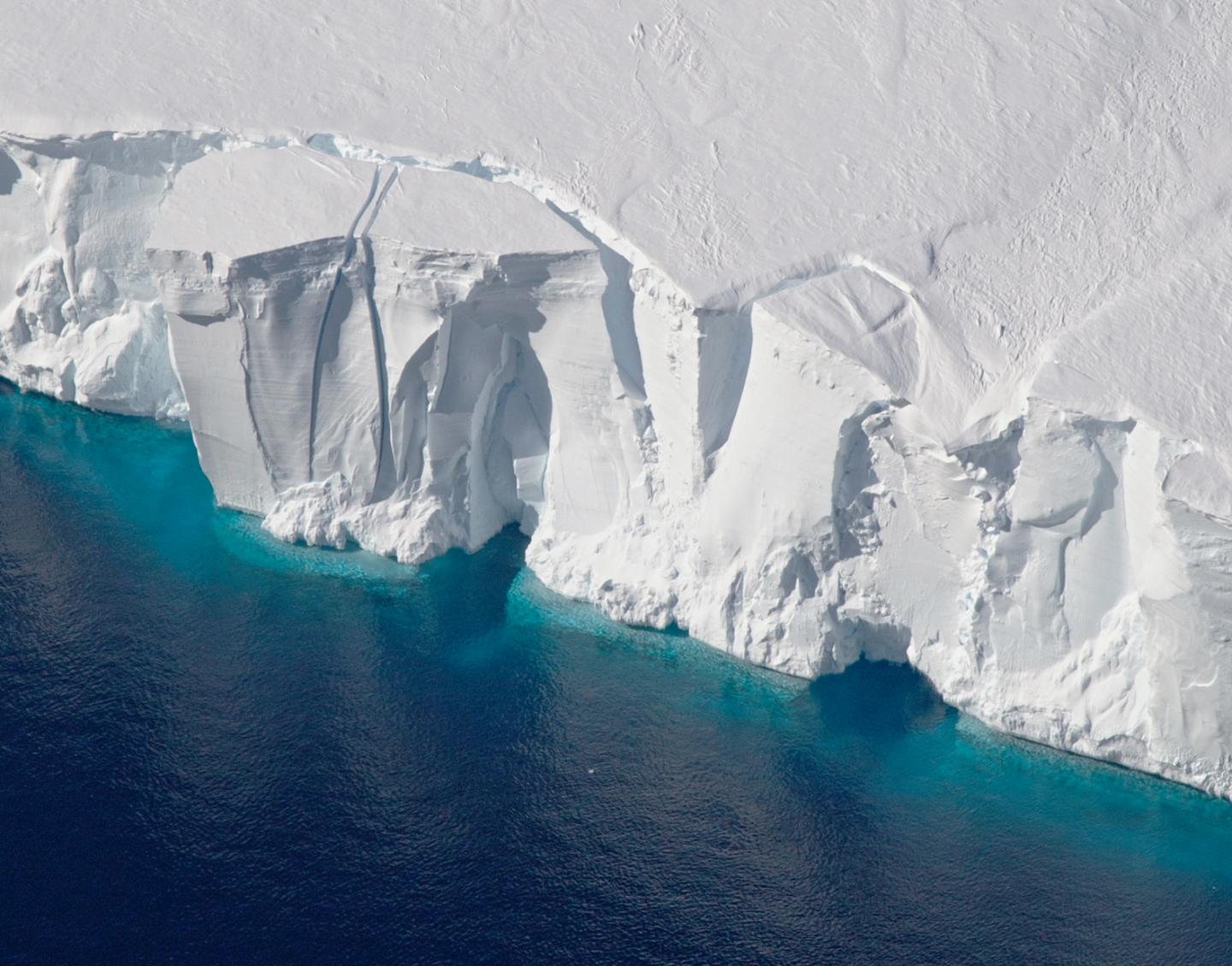
Rutgers study finds weather patterns that may influence global sea-level rise
IMAGE

Credit: NASA/Jeremy Harbeck

Warming waters in the western tropical Pacific Ocean have significantly increased thunderstorms and rainfall, which may affect the stability of the West Antarctic Ice Sheet and global sea-level rise, according to a Rutgers University-New Brunswick study.

Since the mid-1990s, West Antarctica – a massive ice sheet that sits on land – has been melting and contributing to global sea-level rise. That melting has accelerated this century. Wind and weather patterns play a crucial role in governing the melting: Winds push warm ocean water toward the ice sheet and melt it from below, at the same time as winds bring warm air over the ice sheet surface and melt it from above.

The study, in the journal Geophysical Research Letters, found that the South Pacific Convergence Zone, a region of the western tropical Pacific, is a major driver of weather variability across West Antarctica.

“With so much at stake – in coastal communities around the globe, including in New Jersey – it is very important to understand the drivers of weather variability in West Antarctica,” said Kyle Clem, a former post-doc who led the research at Rutgers-New Brunswick and is now at Victoria University of Wellington in New Zealand. “Knowing how all regions of the tropics influence West Antarctica, both independently and collectively, will help us understand past climate variability there and perhaps help us predict the future state of the ice sheet and its potential contribution to global sea-level rise.”

Rutgers researchers studied how warming ocean temperatures in the western tropical Pacific influence weather patterns around West Antarctica. This century, the Antarctic Peninsula and interior West Antarctica have been cooling while the Ross Ice Shelf has been warming – a reversal of what happened in the second half of the 20th century. From the 1950s to the 1990s, the Antarctic Peninsula and interior West Antarctica were the most rapidly warming regions on the planet, and the Ross Ice Shelf was cooling.

The temperature trends flipped at the start of this century. Coinciding with the flip in West Antarctic temperature trends, ocean temperatures in the western tropical Pacific began warming rapidly. Using a climate model, the researchers found that warming ocean temperatures in the western tropical Pacific have resulted in a significant increase in thunderstorm activity, rainfall and convection in the South Pacific Convergence Zone. Convection in the atmosphere is when heat and moisture move up or down.

A rainfall increase in the zone results in cold southerly winds over the Antarctic Peninsula and warm northerly winds over the Ross Ice Shelf, consistent with the recent cooling and warming in those respective regions. So the West Antarctic climate, although isolated from much of the planet, is profoundly influenced by the tropics. The findings may help scientists interpret the past West Antarctic climate as recorded in ice cores.

###

Study co-authors include Benjamin R. Lintner, an associate professor in the Department of Environmental Sciences; Anthony J. Broccoli, a professor who chairs that department; and James R. Miller, a professor in the Department of Marine and Coastal Sciences in the School of Environmental and Biological Sciences.

Media Contact
Todd Bates
[email protected]

Original Source

https://news.rutgers.edu/warming-waters-western-tropical-pacific-may-affect-west-antarctic-ice-sheet/20190607#.XP5RC1xKi71

Related Journal Article

http://dx.doi.org/10.1029/2019GL082108

Tags: Climate ChangeClimate ScienceEarth ScienceEnvironmental HealthGeographyOceanographyPublic HealthTemperature-Dependent PhenomenaWeather/Storms
Share13Tweet8Share2ShareShareShare2

Related Posts

Calreticulin-targeted L-asparaginase–flagellin conjugate boosts Salmonella’s antitumor effectiveness

Calreticulin-targeted L-asparaginase–flagellin conjugate boosts Salmonella’s antitumor effectiveness

August 9, 2026

Short-Term Animal-Product Restriction Rapidly Alters Human Proteogenomic Profiles

August 9, 2026

UVA-Induced Hyperploidization Causes Fibrosis in Post-Mitotic Fuchs Dystrophy Corneal Cells

August 9, 2026

Healthy Vaccinee Effect Shapes Evaluation of Updated COVID-19 Vaccines in Older Adults

August 8, 2026
Please login to join discussion

POPULAR NEWS

  • How Neuroblastoma Balances Replication Stress and Genome Stability Across Chromosome 17q

    29 shares
    Share 12 Tweet 7
  • Cigar, Cigarillo, and Pipe Smoking: Lung Cancer Risk and Screening Eligibility

    29 shares
    Share 12 Tweet 7
  • How Low Gravity and Pressure Affect Space Manufacturing of Carbon-Fiber Structures

    29 shares
    Share 12 Tweet 7
  • Calreticulin-targeted L-asparaginase–flagellin conjugate boosts Salmonella’s antitumor effectiveness

    29 shares
    Share 12 Tweet 7

About

We bring you the latest biotechnology news from best research centers and universities around the world. Check our website.

Follow us

Recent News

How Neuroblastoma Balances Replication Stress and Genome Stability Across Chromosome 17q

Cigar, Cigarillo, and Pipe Smoking: Lung Cancer Risk and Screening Eligibility

How Low Gravity and Pressure Affect Space Manufacturing of Carbon-Fiber Structures

Subscribe to Blog via Email

Success! An email was just sent to confirm your subscription. Please find the email now and click 'Confirm' to start subscribing.

Join 86 other subscribers
  • Contact Us

Bioengineer.org © Copyright 2023 All Rights Reserved.

Welcome Back!

Login to your account below

Forgotten Password?

Retrieve your password

Please enter your username or email address to reset your password.

Log In
No Result
View All Result
  • Homepages
    • Home Page 1
    • Home Page 2
  • News
  • National
  • Business
  • Health
  • Lifestyle
  • Science

Bioengineer.org © Copyright 2023 All Rights Reserved.