• HOME
  • NEWS
  • EXPLORE
    • CAREER
      • Companies
      • Jobs
    • EVENTS
    • iGEM
      • News
      • Team
    • PHOTOS
    • VIDEO
    • WIKI
  • BLOG
  • COMMUNITY
    • FACEBOOK
    • INSTAGRAM
    • TWITTER
Monday, July 13, 2026
BIOENGINEER.ORG
No Result
View All Result
  • Login
  • HOME
  • NEWS
  • EXPLORE
    • CAREER
      • Companies
      • Jobs
        • Lecturer
        • PhD Studentship
        • Postdoc
        • Research Assistant
    • EVENTS
    • iGEM
      • News
      • Team
    • PHOTOS
    • VIDEO
    • WIKI
  • BLOG
  • COMMUNITY
    • FACEBOOK
    • INSTAGRAM
    • TWITTER
  • HOME
  • NEWS
  • EXPLORE
    • CAREER
      • Companies
      • Jobs
        • Lecturer
        • PhD Studentship
        • Postdoc
        • Research Assistant
    • EVENTS
    • iGEM
      • News
      • Team
    • PHOTOS
    • VIDEO
    • WIKI
  • BLOG
  • COMMUNITY
    • FACEBOOK
    • INSTAGRAM
    • TWITTER
No Result
View All Result
Bioengineer.org
No Result
View All Result
Home NEWS Science News

Rotting away: Getting at the evolutionary roots of wood decay

Bioengineer by Bioengineer
November 10, 2016
in Science News
Reading Time: 2 mins read
0
Share on FacebookShare on TwitterShare on LinkedinShare on RedditShare on Telegram
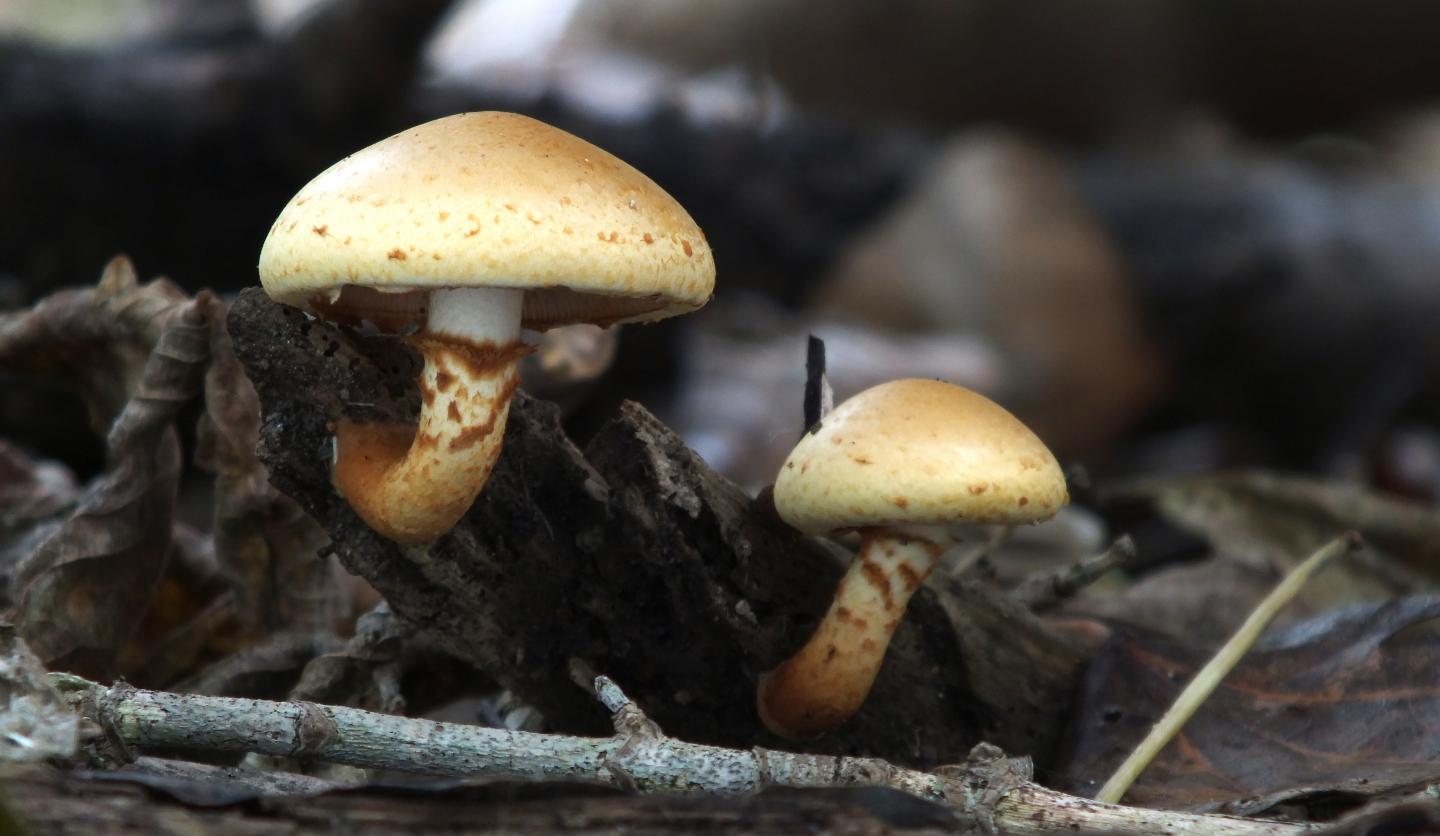
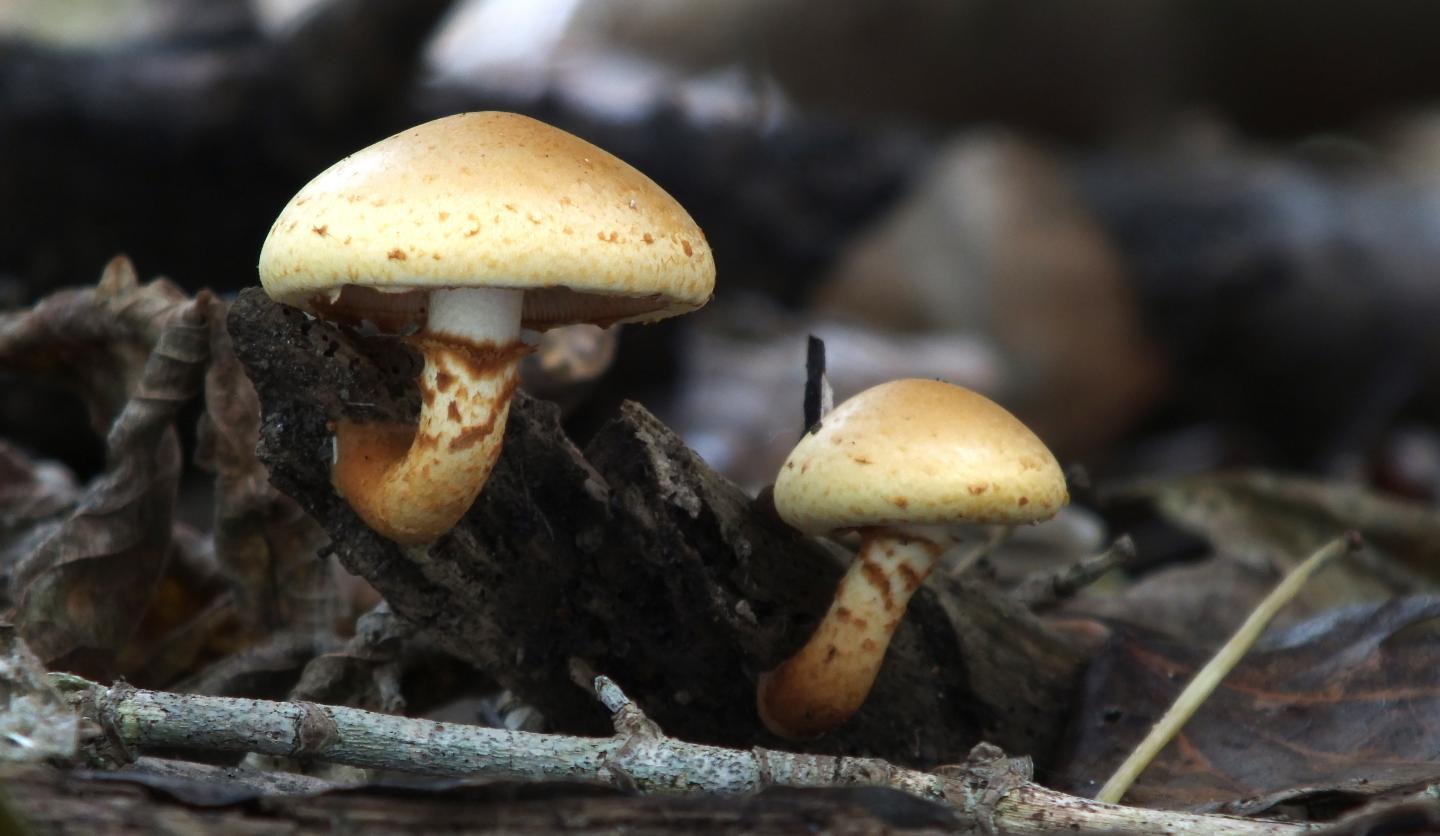
IMAGE

Credit: Professor Laszlo Nagy, Synthetic and Systems Biology Unit, Institute of Biochemistry, BRC-HAS, Szeged 6726, Hungary

Decay is a complex process in which organisms use a repertoire of enzymes to slowly exploit and ultimately digest their hosts. Fungi are master decayers of dead plant matter, including wood. So-called white rot fungi have the special ability to decompose the tough, recalcitrant plant polymer lignin, using enzymes that turn solid wood into a stringy, bleached pulp.

Now professor Laszlo Nagy et al., in a new publication featured in the advanced access online version of the journal Molecular Biology and Evolution, have created a bioinformatics tool, called COMPARE, a novel method of phylogenetic profiling to correlate the evolution of a given phenotypic trait with the pattern of gene family gain, loss and duplication in a set of genomes.

Next, they applied the strategy to the specific question of the evolution of wood decay strategies across fungi to profile each of the fungal species's genomic innovations with a focus on identifying the gene families that enable white rot fungi to decompose wood. White rot fungi can completely break down both the carbohydrates and lignin that make up the wood and bark, making them especially potent recyclers of organic material.

The research team, using data from 62 fungal genomes, not only correctly identified the expansion of peroxidases necessary for lignin degradation in white rot fungi, but also detected a large suite of genes (409 in total) that show statistically significant changes in copy number (duplication/loss events) associated with the gains and losses of white rot wood decay.

"When people think about white rot, they tend to focus on lignin, but these results show that evolution of white rot involved expansions in diverse enzymes, not just those that attack lignin," said corresponding author Laszlo Nagy.

The results have shed light on the complexity of white rot and suggest that its evolution has involved a general elaboration of the decay apparatus, including numerous enzymes with as-yet unknown functions to further explore. These enzymes and the pathways proposed to be involved in wood-decay could lead to improved technologies for biofuel production – an industry that relies on the very same enzymes as fungi use for breaking down plant cell walls. In addition, their COMPARE bioinformatics tool is versatile enough to apply to other studies looking to uncover gene pathways associated with various traits.

###

Media Contact

Joseph Caspermeyer
[email protected]
480-258-8972
@OfficialSMBE

http://mbe.oxfordjournals.org/

Share12Tweet8Share2ShareShareShare2

Related Posts

Dementia Rates Increasing Among Latino Populations Over Decades

July 13, 2026
Chonnam University uncovers isoform-specific HIF signaling in muscles

Chonnam University uncovers isoform-specific HIF signaling in muscles

July 13, 2026

First Superconducting Quantum Heat Engine Paves Way for Bigger Quantum Computers

July 13, 2026

Digital Check-Ins Boost Cancer Patient Outcomes, Study Shows

July 13, 2026
Please login to join discussion

POPULAR NEWS

  • Detection of EDCs in Breast Milk and Infant Urine Up to Six Months Highlights Early Exposure Risks

    77 shares
    Share 31 Tweet 19
  • New Drug Candidate Developed at McMaster Shows Potential for Treating Brain Cancer

    58 shares
    Share 23 Tweet 15
  • KTU Researchers Explore Ultrasound’s Role in Enhancing Blood Flow Beyond Diagnostics

    53 shares
    Share 21 Tweet 13
  • Experimental Therapy Simultaneously Destroys Prostate Tumor Cells and Reactivates Antitumor Immunity

    46 shares
    Share 18 Tweet 12

About

We bring you the latest biotechnology news from best research centers and universities around the world. Check our website.

Follow us

Recent News

Dementia Rates Increasing Among Latino Populations Over Decades

Chonnam University uncovers isoform-specific HIF signaling in muscles

First Superconducting Quantum Heat Engine Paves Way for Bigger Quantum Computers

Subscribe to Blog via Email

Enter your email address to subscribe to this blog and receive notifications of new posts by email.

Join 85 other subscribers
  • Contact Us

Bioengineer.org © Copyright 2023 All Rights Reserved.

Welcome Back!

Login to your account below

Forgotten Password?

Retrieve your password

Please enter your username or email address to reset your password.

Log In
No Result
View All Result
  • Homepages
    • Home Page 1
    • Home Page 2
  • News
  • National
  • Business
  • Health
  • Lifestyle
  • Science

Bioengineer.org © Copyright 2023 All Rights Reserved.