Publishing in the journal Science, scientists propose a bold new target that would stave off biodiversity loss
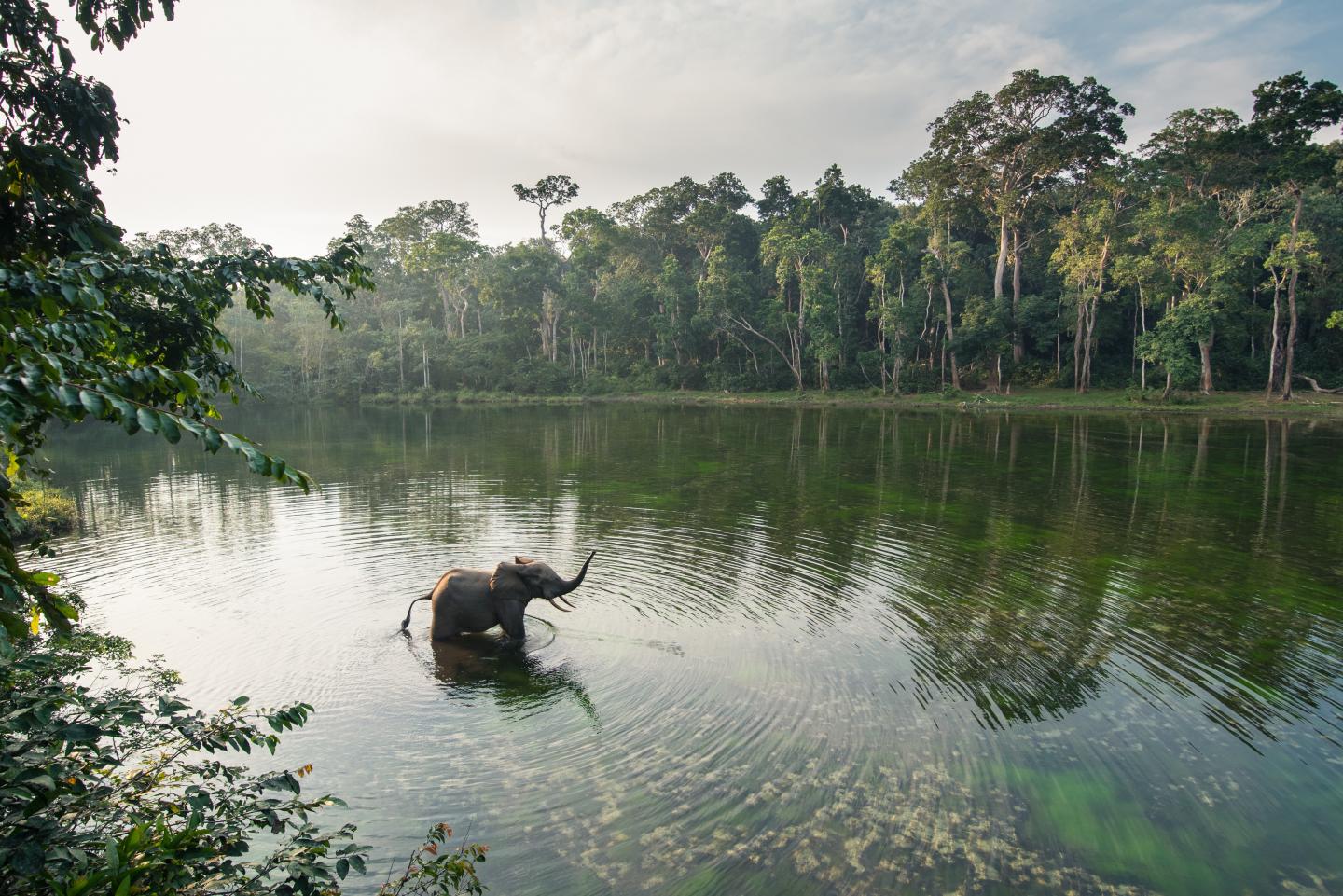
Credit: Kyle de Nobrega
NEW YORK (April 11, 2019) – An international study published today in the journal Science argues that the current international target for the protected area estate, accepted by over 190 nations, is failing. They propose a new measurable target based on the best scientific evidence that they say will galvanize greater and more effective conservation efforts.
The study identifies four major problems with the United Nation’s Aichi Target 11 – which calls for protection of at least 17 percent of terrestrial and inland water areas and 10 percent of coastal and marine areas. The authors say the target has led to perverse outcomes and has not fostered effective conservation efforts. The use of simple percentage targets for protected areas means that there is an incentive to create large protected areas of little conservation value. Other problems with Aichi Target 11 design and implementation include the lack of incentives in the target and resources dedicated to adequately manage or fund protected areas, inadequate representation of natural communities and species within protected area borders, and the impossibility to define national responsibilities towards the global target in a meaningful way.
Lead author Dr. Piero Visconti of the International Institute for Applied Synthesis Analysis, said: “While there has been a significant increase in the overall extent of the global protected area estate over the past 10 years, many of the new protected areas are being placed in sites that are not as important for biodiversity. Other, more important sites are left unprotected and are vanishing before our eyes. There is also clear evidence that the vast majority of protected areas are not being funded and managed in ways that stop damaging human activities.”
The study’s authors argue that outcome-based targets for protected areas are needed to achieve biodiversity goals. They propose the following new target: “The value of all sites of global significance for biodiversity including key biodiversity areas is documented, retained and restored through protected areas and other effective area-based conservation measures.”
The proposed target puts the emphasis on measuring and achieving the end-goal of conservation: reaching and maintaining long-term positive biodiversity status and trends. This is a critical step forward from all previous protected area commitments, which measured progress based on the amount of area protected, not the biodiversity outcomes resulting from it.
Despite the calls for a new protected area target, a co-author in the study Dr. James Watson of University of Queensland and the Wildlife Conservation Society (WCS), emphasized the critical importance of existing protected areas for safeguarding imperiled biodiversity.
Said Watson: “We know protected areas work–when well-funded, well-managed and well placed, they are extremely effective in halting the threats that cause biodiversity loss and ensure species return from the brink of extinction. There are also many protected areas that are still in good condition and are now the last strongholds for endangered species worldwide. The challenge is to improve the management of those protected areas that are most valuable for nature conservation to ensure they safeguard it.”
Added Watson: “We need all nations to be honest when accounting for how much land and water they have set aside for biodiversity conservation. As we approach the 2020 deadline for the Convention for Biological Diversity’s current targets, it is time for the global conservation community to stand up and hold governments to account so that they take the conservation of their protected areas seriously. This means setting a target that will achieve the outcome that is best for biodiversity.”
###
WCS (Wildlife Conservation Society)
MISSION: WCS saves wildlife and wild places worldwide through science, conservation action, education, and inspiring people to value nature. To achieve our mission, WCS, based at the Bronx Zoo, harnesses the power of its Global Conservation Program in nearly 60 nations and in all the world’s oceans and its five wildlife parks in New York City, visited by 4 million people annually. WCS combines its expertise in the field, zoos, and aquarium to achieve its conservation mission. Visit: newsroom.wcs.org Follow: @WCSNewsroom. For more information: 347-840-1242.
Media Contact
Stephen Sautner
[email protected]
Original Source
https:/
Related Journal Article
http://dx.