Scientists are developing a specially-formulated shampoo which, combined with scalp cooling innovations, could put an end to the misery for many cancer sufferers
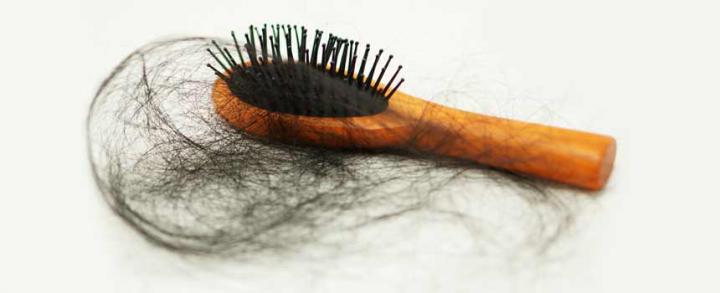
Credit: University of Huddersfield
SCIENTISTS at the University of Huddersfield aim to minimise, or eliminate completely, the hair loss that is one of the most distressing side-effects of cancer treatment. They aim to achieve this by combining scalp cooling – already shown to be effective in half of all cases – with a specially formulated shampoo or lotion that could be applied to the scalp.
Research at the new £1 million Scalp Cooling Research Centre established at the University, with the backing of Huddersfield firm PAXMAN – global leaders in the technology – will aid the quest for zero hair loss. It has a team of experts in biology and design technology.
“It is the world’s first multi-disciplinary research centre focussed on scalp cooling and will take scalp cooling research to another level,” said centre Co-Director Dr Nikolaos Georgopoulos. He is a cancer expert at the University’s Department of Biological Sciences who has worked with PAXMAN since 2011 and helped provide a scientific explanation for the effectiveness of the cooling caps that the firm designs, produces and markets globally.
When worn during chemotherapy, the devices cool the scalp which reduces the risk of hair loss and they already have approximately 50 per cent success rate, and “the cooler the better”, said Dr Georgopoulos. This means that the caps – made from lightweight silicone – have to be as snug a fit as possible, and PAXMAN has worked with the University of Huddersfield’s Dr Ertu Unver, whose areas of expertise include 3D printing and product design, to improve the design of the cap.
Now, the Scalp Cooling Research Centre will work towards a 100 per cent elimination of hair loss during chemo and one of the keys to this will be the cultivation of hair follicles in the lab, to be carried out by Biological Sciences Senior Lecturer Dr Iain Haslam. This will enable detailed research into the toxicity of chemotherapy drugs.
Under development and soon to be patented is the use of a natural product which, when used in tandem with scalp cooling, has the potential to increase the success rate to 80 per cent or even end hair loss completely for some chemotherapy drugs. One of the tasks of the research centre will be to develop the best way to deliver this agent to the scalp hair follicles, said Dr Georgopoulos. One possibility is a specially-formulated shampoo or lotion that could be used just before and during treatment.
A combination of this product and the use of scalp cooling could become standard procedure during chemotherapy, predicted Dr Georgopoulos. He added that the Scalp Cooling Research Centre would also have the resources and expertise to investigate new chemotherapy drugs as they came into use, in order to discover their role in hair loss.
In addition to Dr Georgopoulos, Dr Unver and Dr Haslam – who has hair follicles as one of his specialities as a biological scientist – the Centre will also appoint dedicated post-doctoral researchers. PhD students will also be added to the strength, so that there will be a team of up 12 members. The Centre – financially backed by PAXMAN, the University of Huddersfield and the European Union – is scheduled to operate for five years in the first instance and it is hoped that clinical trials of the new product will begin before that initial period is up.
Crucial backing for the Centre comes from PAXMAN’s CEO, Richard Paxman. “It will take our existing R&D projects to a whole new level and we will become the only hair loss-preventing scalp cooling provider firmly based on biological research,” he said.
“We are taking an important step towards achieving our long-term vision of zero hair loss.”
###
Media Contact
Jayne Amos
[email protected]
Original Source
https:/