• HOME
  • NEWS
  • EXPLORE
    • CAREER
      • Companies
      • Jobs
    • EVENTS
    • iGEM
      • News
      • Team
    • PHOTOS
    • VIDEO
    • WIKI
  • BLOG
  • COMMUNITY
    • FACEBOOK
    • INSTAGRAM
    • TWITTER
Saturday, February 7, 2026
BIOENGINEER.ORG
No Result
View All Result
  • Login
  • HOME
  • NEWS
  • EXPLORE
    • CAREER
      • Companies
      • Jobs
        • Lecturer
        • PhD Studentship
        • Postdoc
        • Research Assistant
    • EVENTS
    • iGEM
      • News
      • Team
    • PHOTOS
    • VIDEO
    • WIKI
  • BLOG
  • COMMUNITY
    • FACEBOOK
    • INSTAGRAM
    • TWITTER
  • HOME
  • NEWS
  • EXPLORE
    • CAREER
      • Companies
      • Jobs
        • Lecturer
        • PhD Studentship
        • Postdoc
        • Research Assistant
    • EVENTS
    • iGEM
      • News
      • Team
    • PHOTOS
    • VIDEO
    • WIKI
  • BLOG
  • COMMUNITY
    • FACEBOOK
    • INSTAGRAM
    • TWITTER
No Result
View All Result
Bioengineer.org
No Result
View All Result
Home NEWS Science News Health

Generic advice doesn’t help patients drop pounds

Bioengineer by Bioengineer
March 20, 2019
in Health
Reading Time: 2 mins read
0
IMAGE
Share on FacebookShare on TwitterShare on LinkedinShare on RedditShare on Telegram

Patients shed more weight when doctors give specific tips, study finds
IMAGE

Credit: Duke University

DURHAM, N.C. — When it comes to losing weight, doctors’ messages to their patients can make a powerful difference, according to new research from Duke University.

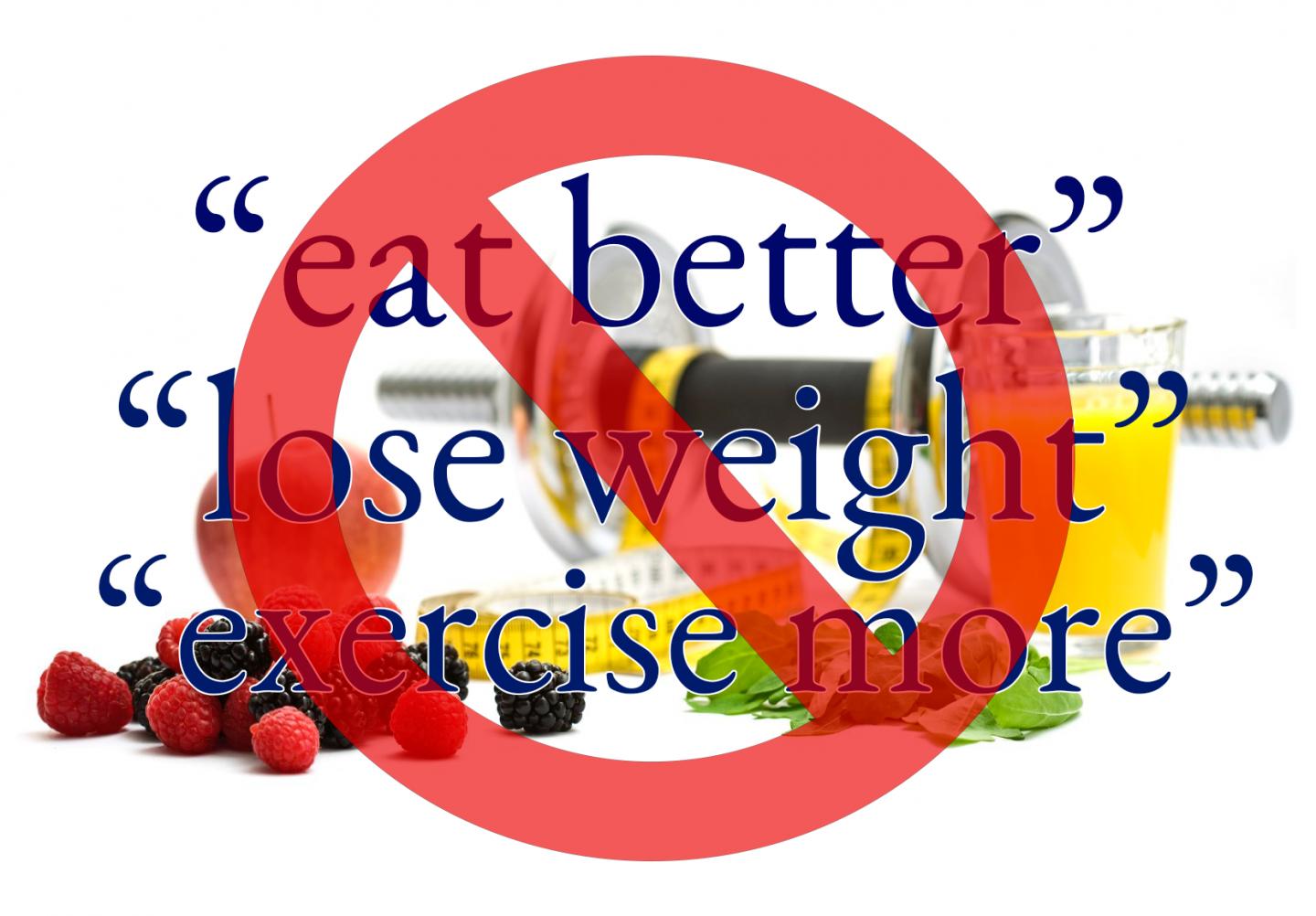
Participants in the study had only modest weight loss when doctors gave generic advice such as “you should exercise more.” They fared much better when doctors instead provided specific instructions.

“Just telling somebody to lose weight or improve their diet or physical activity didn’t
work,” said study co-author Gary Bennett, a professor of psychology at Duke. “The doctor should instead encourage patient participation in a specific program.”

The new paper appears Wednesday in the Journal of General Internal Medicine.

The year-long study took place among 134 study participants who were overweight, predominantly female and had a mean age of 51. In addition to weight problems, participants had additional health concerns such as hypertension and diabetes.

Study participants were invited to take part in a comprehensive weight-loss program that included tailored behavioral goals, educational material, calls from coaches and text messages with weight-loss tips and progress reports.

Participants also checked in regularly with health care providers. Some doctors or nurses simply urged patients in general terms to “lose weight” or “exercise more.” Other health care providers, though, gave specific advice that reinforced the comprehensive weight-loss program, such as encouraging patients to take calls from weight-loss coaches. Patients in the latter group lost nearly 7 pounds more on average.

The amount of empathy doctors displayed made a difference, too. Patients who rated their providers as empathetic and caring lost about 7 pounds more on average than those who did not.

“Patients who enroll in a weight-loss program should consider asking their health care providers to check in on their progress,” said study co-author Megan McVay, an assistant professor at University of Florida. “This can help keep them accountable. It is also important to have a provider that they feel cares about them and has sympathy towards how hard it is to lose weight.”

###

Funding for the research was provided by the National Institutes of Health (R01DK093829, K23HL127334 and K12HD043446).

CITATION: “Provider counseling and weight loss outcomes in a primary care-based digital obesity treatment,” Megan McVay, Dori Steinberg, Sandy Askew and Gary G. Bennett. Journal of General Internal Medicine, March 2019.

DOI: 10.1007/s11606-019-04944-5

Media Contact
Alison Jones
[email protected]

Original Source

https://today.duke.edu/2019/03/generic-advice-doesnt-help-patients-drop-pounds

Related Journal Article

http://dx.doi.org/10.1007/s11606-019-04944-5

Tags: BehaviorDiet/Body WeightEating Disorders/ObesityExerciseHealth ProfessionalsInternal MedicineMedicine/HealthSocial/Behavioral Science
Share12Tweet8Share2ShareShareShare2

Related Posts

Inflammasome Protein ASC Drives Pancreatic Cancer Metabolism

February 7, 2026

Phage-Antibiotic Combo Beats Resistant Peritoneal Infection

February 7, 2026

Boosting Remote Healthcare: Stepped-Wedge Trial Insights

February 7, 2026

Barriers and Boosters of Seniors’ Physical Activity in Karachi

February 7, 2026
Please login to join discussion

POPULAR NEWS

  • Robotic Ureteral Reconstruction: A Novel Approach

    Robotic Ureteral Reconstruction: A Novel Approach

    82 shares
    Share 33 Tweet 21
  • Digital Privacy: Health Data Control in Incarceration

    63 shares
    Share 25 Tweet 16
  • Study Reveals Lipid Accumulation in ME/CFS Cells

    57 shares
    Share 23 Tweet 14
  • Breakthrough in RNA Research Accelerates Medical Innovations Timeline

    53 shares
    Share 21 Tweet 13

About

We bring you the latest biotechnology news from best research centers and universities around the world. Check our website.

Follow us

Recent News

Inflammasome Protein ASC Drives Pancreatic Cancer Metabolism

Phage-Antibiotic Combo Beats Resistant Peritoneal Infection

Boosting Remote Healthcare: Stepped-Wedge Trial Insights

Subscribe to Blog via Email

Enter your email address to subscribe to this blog and receive notifications of new posts by email.

Join 73 other subscribers
  • Contact Us

Bioengineer.org © Copyright 2023 All Rights Reserved.

Welcome Back!

Login to your account below

Forgotten Password?

Retrieve your password

Please enter your username or email address to reset your password.

Log In
No Result
View All Result
  • Homepages
    • Home Page 1
    • Home Page 2
  • News
  • National
  • Business
  • Health
  • Lifestyle
  • Science

Bioengineer.org © Copyright 2023 All Rights Reserved.