• HOME
  • NEWS
  • EXPLORE
    • CAREER
      • Companies
      • Jobs
    • EVENTS
    • iGEM
      • News
      • Team
    • PHOTOS
    • VIDEO
    • WIKI
  • BLOG
  • COMMUNITY
    • FACEBOOK
    • INSTAGRAM
    • TWITTER
Friday, December 5, 2025
BIOENGINEER.ORG
No Result
View All Result
  • Login
  • HOME
  • NEWS
  • EXPLORE
    • CAREER
      • Companies
      • Jobs
        • Lecturer
        • PhD Studentship
        • Postdoc
        • Research Assistant
    • EVENTS
    • iGEM
      • News
      • Team
    • PHOTOS
    • VIDEO
    • WIKI
  • BLOG
  • COMMUNITY
    • FACEBOOK
    • INSTAGRAM
    • TWITTER
  • HOME
  • NEWS
  • EXPLORE
    • CAREER
      • Companies
      • Jobs
        • Lecturer
        • PhD Studentship
        • Postdoc
        • Research Assistant
    • EVENTS
    • iGEM
      • News
      • Team
    • PHOTOS
    • VIDEO
    • WIKI
  • BLOG
  • COMMUNITY
    • FACEBOOK
    • INSTAGRAM
    • TWITTER
No Result
View All Result
Bioengineer.org
No Result
View All Result
Home NEWS Science News Biology

Spring migration is now earlier in European and North American birds

Bioengineer by Bioengineer
February 25, 2019
in Biology
Reading Time: 2 mins read
0
IMAGE
Share on FacebookShare on TwitterShare on LinkedinShare on RedditShare on Telegram

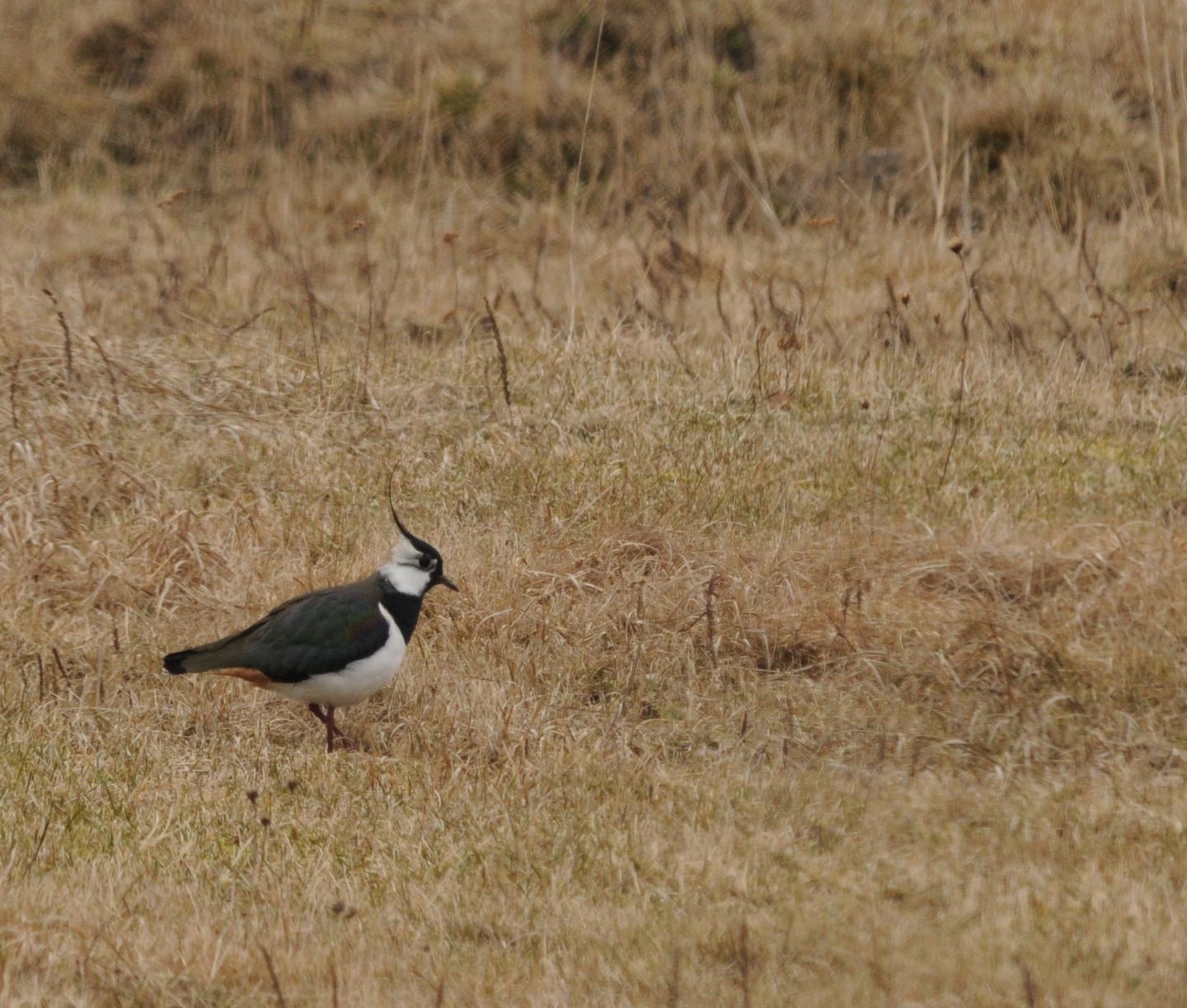
IMAGE

Credit: Aleksi Lehikoinen

The greatest advances were found among short-distance migrants that winter in Europe or North America: about 1.5-2 days per decade. Long-distance migrants that winter in the tropics have also advanced the start of their migration, but only by approximately 0.6-1.2 days per decade.

“Based on changes in median migration dates, birds have on average advanced their spring migration by a little over a week since the late 1950s”, says Aleksi Lehikoinen from the Finnish Museum of Natural History, University of Helsinki.

Some species show much greater advances. For instance, Whooper Swans now arrive in Finland about two weeks earlier than in the 1980s.

The advances in spring migration dates are not equal across the migration season. Early migrants of a given species have advanced their migration dates more than late migrants within the species’ migration season. First migrants have the highest pressure to arrive at their breeding grounds as early as possible, whereas late migrants are typically non-breeders, which have no rush to move north. This asymmetry has led to an overall increase in the duration of migration.

Annual arrival dates of bird species were explained by local temperatures: the earlier the spring, the earlier the timing of migration and the longer the migration season. Geographical differences in climate change also explained regional differences in the advancement of spring migration.

“Birds advanced their migration dates more in Europe than in Canada, because spring temperatures have risen more quickly in Europe”, says Andreas Lindén from Yrkeshögskolan Novia, Finland.

The study is based on long-term monitoring data from 21 North European and Canadian bird observatories and included almost 200 study species. The longest time series started in 1959 and the early 1960s and a large part of the data was collected by volunteer birdwatchers. The results were published in the international journal Ecological Indicators.

###

Media Contact
Aleksi Lehikoinen
[email protected]

Related Journal Article

http://dx.doi.org/10.1016/j.ecolind.2019.01.083

Tags: BiologyClimate ChangeEcology/EnvironmentPopulation Biology
Share12Tweet8Share2ShareShareShare2

Related Posts

blank

Rice miRNA: Key Regulator in Fungal Interactions

December 3, 2025
Human Impact Alters Leopard and Ungulate Dynamics

Human Impact Alters Leopard and Ungulate Dynamics

December 3, 2025

Adaptive Microsatellite Variants in Indian Yak Populations

December 2, 2025

Guide to Single-Cell RNA Transcriptomics Unveiled

December 2, 2025
Please login to join discussion

POPULAR NEWS

  • New Research Unveils the Pathway for CEOs to Achieve Social Media Stardom

    New Research Unveils the Pathway for CEOs to Achieve Social Media Stardom

    204 shares
    Share 82 Tweet 51
  • Scientists Uncover Chameleon’s Telephone-Cord-Like Optic Nerves, A Feature Missed by Aristotle and Newton

    121 shares
    Share 48 Tweet 30
  • Neurological Impacts of COVID and MIS-C in Children

    107 shares
    Share 43 Tweet 27
  • MoCK2 Kinase Shapes Mitochondrial Dynamics in Rice Fungal Pathogen

    69 shares
    Share 28 Tweet 17

About

We bring you the latest biotechnology news from best research centers and universities around the world. Check our website.

Follow us

Recent News

Boosting Cancer Immunotherapy by Targeting DNA Repair

Evaluating eGFR Equations in Chinese Children

Metformin-Alogliptin Combo vs. Monotherapy in Diabetes

Subscribe to Blog via Email

Success! An email was just sent to confirm your subscription. Please find the email now and click 'Confirm' to start subscribing.

Join 69 other subscribers
  • Contact Us

Bioengineer.org © Copyright 2023 All Rights Reserved.

Welcome Back!

Login to your account below

Forgotten Password?

Retrieve your password

Please enter your username or email address to reset your password.

Log In
No Result
View All Result
  • Homepages
    • Home Page 1
    • Home Page 2
  • News
  • National
  • Business
  • Health
  • Lifestyle
  • Science

Bioengineer.org © Copyright 2023 All Rights Reserved.