• HOME
  • NEWS
  • EXPLORE
    • CAREER
      • Companies
      • Jobs
    • EVENTS
    • iGEM
      • News
      • Team
    • PHOTOS
    • VIDEO
    • WIKI
  • BLOG
  • COMMUNITY
    • FACEBOOK
    • INSTAGRAM
    • TWITTER
Thursday, March 26, 2026
BIOENGINEER.ORG
No Result
View All Result
  • Login
  • HOME
  • NEWS
  • EXPLORE
    • CAREER
      • Companies
      • Jobs
        • Lecturer
        • PhD Studentship
        • Postdoc
        • Research Assistant
    • EVENTS
    • iGEM
      • News
      • Team
    • PHOTOS
    • VIDEO
    • WIKI
  • BLOG
  • COMMUNITY
    • FACEBOOK
    • INSTAGRAM
    • TWITTER
  • HOME
  • NEWS
  • EXPLORE
    • CAREER
      • Companies
      • Jobs
        • Lecturer
        • PhD Studentship
        • Postdoc
        • Research Assistant
    • EVENTS
    • iGEM
      • News
      • Team
    • PHOTOS
    • VIDEO
    • WIKI
  • BLOG
  • COMMUNITY
    • FACEBOOK
    • INSTAGRAM
    • TWITTER
No Result
View All Result
Bioengineer.org
No Result
View All Result
Home NEWS Science News Biology

Endangered sharks being eaten in UK

Bioengineer by Bioengineer
January 31, 2019
in Biology
Reading Time: 3 mins read
0
IMAGE
Share on FacebookShare on TwitterShare on LinkedinShare on RedditShare on Telegram

IMAGE

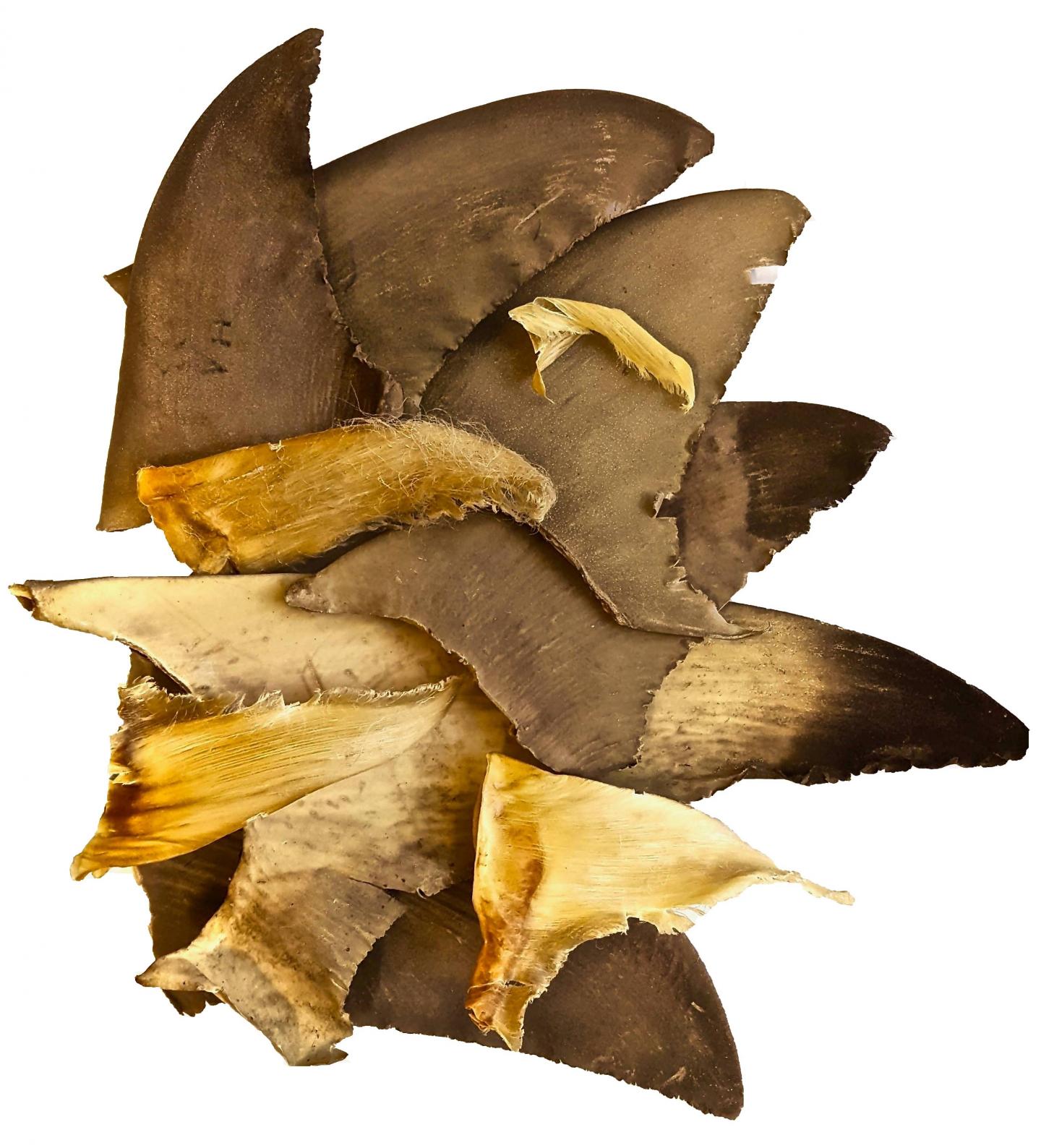
Credit: Andrew Griffiths


Endangered species of hammerhead and dogfish are among the sharks being sold as food in the UK, researchers have revealed.

University of Exeter scientists sampled shark products from fishmongers and chip shops, as well as shark fins from an Asian food wholesaler in the UK.

The majority of chip shop samples (usually sold under generic names like huss, rock salmon and rock eel) were spiny dogfish – a species “endangered” in Europe and “vulnerable” worldwide.

The fin samples included scalloped hammerheads – “endangered” globally and subject to international trade restrictions.

The researchers have called for more accurate food labelling so people know what species they are eating.

“The discovery of endangered hammerhead sharks highlights how widespread the sale of declining species really is – even reaching Europe and the UK,” said Dr Andrew Griffiths, of the University of Exeter

“Separate investigations focusing on Asia have commonly identified scalloped hammerhead in fin processing.

“Scalloped hammerhead can be imported under strict conditions, but the wholesaler had no idea what species the fin belonged to.”

The fins from the UK wholesaler, who intended to supply them to UK Asian restaurants and supermarkets, also included other threatened sharks such as shortfin mako and smalleye hammerheads.

The analysis of chip shop samples also identified globally threatened shark species.

Fishing for spiny dogfish has been prohibited in most circumstances under EU rules. The spiny dogfish found in many chip shop samples could have been sourced from more sustainable stocks elsewhere, but it highlights the problems of selling shark meat under “umbrella” terms that cover multiple species.

“It’s almost impossible for consumers to know what they are buying,” said first author Catherine Hobbs, also of the University of Exeter.

“People might think they’re getting a sustainably sourced product when they’re actually buying a threatened species.

“There are also health issues. Knowing what species you are buying could be important in terms of allergies, toxins, mercury content and the growing concern over microplastics in the marine food chain.

“Our findings demonstrate the need for more informative and accurate seafood labelling.”

As well as spiny dogfish, the researchers found species including starry smooth-hounds, nursehounds and blue sharks on sale in fishmongers and chip shops.

Through “DNA barcoding”, the study analysed 78 samples from chip shops and 39 from fishmongers, mostly in southern England, as well as 10 fins from a wholesaler.

It also analysed 30 fins seized by the UK Border Force on their way from Mozambique to Asia. These came from species including bull sharks.

Miss Hobbs added: “Knowledge of shark species consumption in the UK, especially those of prohibited species and those of high conservation concern, enhances our ability to address the decline in shark populations.”

The paper, published in the journal Scientific Reports, is entitled: “Using DNA Barcoding to Investigate Patterns of Species Utilisation in UK Shark Products Reveals Threatened Species on Sale.”

###

Media Contact
Alex Morrison
[email protected]
44-013-927-24828

Related Journal Article

http://dx.doi.org/10.1038/s41598-018-38270-3

Tags: AgricultureBiodiversityBiologyEcology/EnvironmentFisheries/AquacultureFood/Food ScienceMarine/Freshwater Biology
Share12Tweet8Share2ShareShareShare2

Related Posts

How to sway group opinions: Encourage opponents to stay undecided

How to sway group opinions: Encourage opponents to stay undecided

March 23, 2026
Deep Learning Model Maps How Individual Cells Shape Disease Outcomes

Deep Learning Model Maps How Individual Cells Shape Disease Outcomes

March 20, 2026

Removing only 15 female sharks annually could endanger the entire population, scientists warn

March 20, 2026

Scientists Urge Fragrance Industry to Transition from Sustainability Talk to Active Funding of Plant Conservation

March 20, 2026
Please login to join discussion

POPULAR NEWS

  • blank

    Revolutionary AI Model Enhances Precision in Detecting Food Contamination

    96 shares
    Share 38 Tweet 24
  • Imagine a Social Media Feed That Challenges Your Views Instead of Reinforcing Them

    1003 shares
    Share 397 Tweet 248
  • Uncovering Functions of Cavernous Malformation Proteins in Organoids

    54 shares
    Share 22 Tweet 14
  • Promising Outcomes from First Clinical Trials of Gene Regulation in Epilepsy

    51 shares
    Share 20 Tweet 13

About

We bring you the latest biotechnology news from best research centers and universities around the world. Check our website.

Follow us

Recent News

In-Sensor Cryptography Links Physical Process to Digital Identity

Can Psychosocial Factors Influence Cancer Risk?

Depression Factors in Elderly: Pre vs. Post-COVID Analysis

Subscribe to Blog via Email

Success! An email was just sent to confirm your subscription. Please find the email now and click 'Confirm' to start subscribing.

Join 78 other subscribers
  • Contact Us

Bioengineer.org © Copyright 2023 All Rights Reserved.

Welcome Back!

Login to your account below

Forgotten Password?

Retrieve your password

Please enter your username or email address to reset your password.

Log In
No Result
View All Result
  • Homepages
    • Home Page 1
    • Home Page 2
  • News
  • National
  • Business
  • Health
  • Lifestyle
  • Science

Bioengineer.org © Copyright 2023 All Rights Reserved.