Drug resistance is one of the most persistent obstacles in modern cancer care, allowing malignant cells to survive treatments that initially appear effective. A recent review has drawn attention to βIII-tubulin, also known as TUBB3, a protein that may help explain why some tumors become more aggressive and less responsive to therapy. Although TUBB3 was first recognized for its role in organizing microtubules in neurons, researchers now understand that it is frequently overexpressed in a wide range of cancers. Its abnormal presence in tumor cells has been associated with rapid disease progression, invasive behavior and reduced sensitivity to several widely used anticancer drugs.
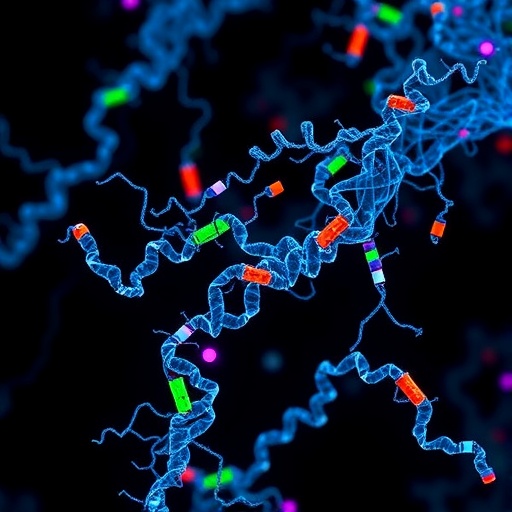
The findings, published in Advanced Cancer Research, present TUBB3 as more than a structural component of the cell. The protein belongs to the β-tubulin family, which combines with α-tubulin to form microtubules—dynamic, tube-shaped structures that constantly assemble and disassemble inside cells. These structures act as internal scaffolding, transport tracks and organizers of chromosome movement during cell division. Because cancer cells depend heavily on accurate and rapid cell division, microtubules have long been important targets for chemotherapy drugs. Agents such as taxanes and vinca alkaloids interfere with microtubule behavior, ultimately disrupting mitosis and triggering cell death. Changes in the balance of tubulin isoforms, including increased TUBB3, may weaken this therapeutic strategy.
The review by Xiaomeng Xie and colleagues examines how the molecular properties of TUBB3 influence microtubule dynamics and alter the response of malignant cells to treatment. Microtubules are not rigid structures; they undergo a process known as dynamic instability, switching between growth and shrinkage. This behavior is essential for adapting to cellular demands, particularly during the formation of the mitotic spindle. TUBB3 can affect the stability, flexibility and organization of microtubules because its sequence and structural characteristics differ from those of other β-tubulin isoforms. These differences may change how anticancer compounds bind to microtubules or how tumor cells respond when microtubule function is disrupted.
The biological consequences of elevated TUBB3 appear to extend beyond drug binding. According to the review, cancer cells may use TUBB3-associated mechanisms to maintain survival under therapeutic stress. When treatment damages the mitotic machinery or interferes with intracellular transport, TUBB3-rich cells may be better able to adapt, repair damage or avoid programmed cell death. This adaptive capacity could help explain why tumors with high TUBB3 expression often display aggressive clinical features. However, the relationship is not uniform across all malignancies. The significance of TUBB3 depends on tumor type, genetic background, disease stage and the specific treatment being administered.
The review also connects TUBB3 with signaling networks that regulate proliferation, survival and cellular identity. The PI3K/AKT pathway, for example, is frequently activated in cancer and promotes growth while suppressing apoptotic responses. The MAPK/ERK pathway can stimulate cell division and support adaptation to environmental stress. Epithelial–mesenchymal transition, or EMT, is another important process discussed in relation to TUBB3. During EMT, tumor cells lose characteristics associated with stable epithelial tissues and acquire traits that promote movement, invasion and metastasis. TUBB3-related signaling may contribute to this transition, linking microtubule remodeling with the ability of cancer cells to spread and resist therapy.
Multiple molecular events may control TUBB3 levels and activity in tumors. Genetic alterations can increase its production, while epigenetic changes may modify how strongly the TUBB3 gene is expressed. Post-translational modifications, which chemically alter proteins after they are produced, can further influence TUBB3 behavior, stability and interactions with other cellular components. The review emphasizes that TUBB3 does not operate in isolation. It interacts with other β-tubulin isoforms and with regulatory proteins that collectively determine the architecture and behavior of the microtubule network. These relationships may help cancer cells compensate when one pathway is blocked, making selective treatment more difficult.
For clinicians, TUBB3 is therefore an intriguing but complicated biomarker. Measuring its expression could potentially provide information about tumor aggressiveness or the likelihood of resistance to microtubule-targeting chemotherapy. Yet high TUBB3 levels do not carry an identical meaning in every cancer. A marker that predicts poor response in one tumor type may be less informative in another because of differences in coexisting mutations, signaling activity or treatment history. The review argues that TUBB3 should not be interpreted as a universal standalone indicator. Its value may increase when combined with other molecular features, clinical characteristics and real-time information about how a tumor is evolving during treatment.
The therapeutic possibilities are equally promising and challenging. One strategy would be to develop drugs that selectively inhibit TUBB3 or interfere with the networks that control it. Another would be to combine microtubule-targeting agents with inhibitors of PI3K/AKT, MAPK/ERK or EMT-associated pathways. Such approaches could potentially prevent cancer cells from using parallel survival mechanisms when microtubule function is attacked. However, designing a TUBB3-specific therapy is difficult because β-tubulin isoforms share substantial structural similarity. A drug that interferes with TUBB3 may also affect other tubulins required by healthy cells. In addition, normal tissues may rely on TUBB3 for essential functions, particularly in the nervous system, raising concerns about unwanted toxicity.
The researchers describe TUBB3 as a molecular link between the physical organization of cancer cells, the signaling systems that drive malignancy and the failure of treatment. They propose that future research should combine multi-omics analysis, single-cell technologies and functional screening to determine which tumors are truly dependent on TUBB3. Multi-omics approaches could integrate gene expression, protein activity, epigenetic regulation and metabolic changes, while single-cell analysis could reveal whether only a small, highly resistant population within a tumor expresses elevated TUBB3. Functional screening may then identify vulnerabilities that emerge when TUBB3 or its associated pathways are disrupted. These efforts could move TUBB3 research beyond correlation and toward clinically useful, precision-guided treatment strategies.
Subject of Research: Cells
Article Title: βIII-tubulin in malignant tumors: unveiling its biological functions, mechanisms and roles in drug resistance
Web References: https://doi.org/10.55092/acr20260011
References: Xie X, Zhao D, Liu X, Wang X, Tian X, et al. “βIII-tubulin in malignant tumors: unveiling its biological functions, mechanisms and roles in drug resistance.” Advanced Cancer Research, 2026(2):0011.
Image Credits: Xiaomeng Xie/Chest Hospital of Zhengzhou University, China
Keywords: TUBB3, βIII-tubulin, cancer, drug resistance, microtubules, precision oncology, tumor progression, chemotherapy resistance
Tags: cancer drug resistance mechanismsimpact of microtubule proteins on cancer aggressivenessmicrotubule dynamics in cancer cellsmicrotubule-targeting agents and resistancemolecular markers of drug resistance in tumorsrole of β-tubulin in chemotherapy resistancetargeting microtubules in cancer therapyTUBB3 overexpression in cancerstumor cell invasion and microtubβIII-tubulin as a prognostic factorβIII-tubulin in tumor progression