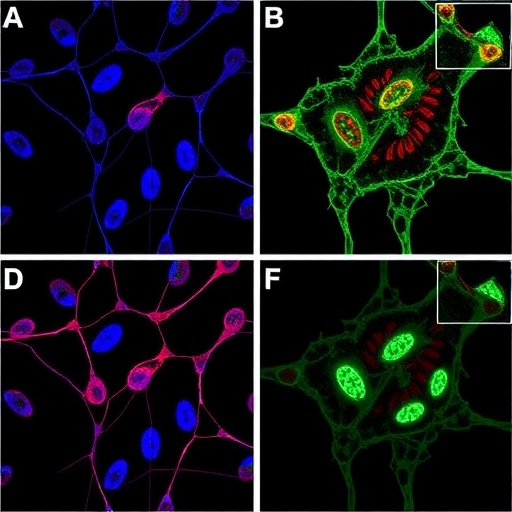
In a groundbreaking study published in “Angiogenesis,” Luo et al. have unveiled the intricate complexities of zonal endothelial cell heterogeneity, which plays a crucial role in murine renal vascular development. This pioneering research elevates our understanding of vascular biology, particularly how different zonal regions within vascular structures contribute to overall organ function and health. Such discoveries could have far-reaching implications, not only in the field of developmental biology but also in regenerative medicine and disease pathology.
Endothelial cells, the key components lining blood vessels, have long been known for their uniform structure and function. However, recent studies indicate that these cells can exhibit a remarkable degree of heterogeneity based on their anatomical location. This study meticulously investigates how these distinct endothelial cell populations contribute to various physiological and pathological processes in the kidney. By focusing on murine models, the authors have provided a robust platform for translating these findings to human health issues.
The methodology employed in this investigation is quite enlightening. The researchers utilized advanced imaging techniques and next-generation sequencing to dissect the molecular underpinnings of endothelial cells in different renal zones. This comprehensive approach allowed for a detailed examination of gene expression profiles and protein localization patterns, revealing significant differences between endothelial cells located in the renal cortex versus those in deeper medullary regions.
One of the most striking outcomes of the study is the identification of specific markers that differentiate endothelial cells based on their zonal localization. The authors found that these markers not only signify functionality but also hint at specific roles these cells play in vascular development and homeostasis. For instance, the cortical endothelial cells exhibited higher levels of angiogenic factors compared to their medullary counterparts, suggesting a tailored role in regulating blood flow and nutrient delivery during renal maturation.
Moreover, the study postulates that this zonal heterogeneity is not merely an anatomical curiosity but has implications for kidney disease. By understanding how different endothelial cell populations respond to stressors or injury, researchers may be able to develop targeted therapies that focus on promoting vascular recovery in renal diseases. Such insights could bridge the gap between basic science and clinical applications.
The implications of this research extend beyond kidney biology. The concept of zonal heterogeneity among endothelial cells may very well apply to other organs and systems in the body. This raises fascinating questions about how vascularization occurs in various tissues and how it adapts to differing functional demands. Additionally, could this understanding lead to the development of new therapeutic strategies for conditions characterized by vascular dysfunction, such as diabetes or hypertension?
Furthermore, this study contributes to the burgeoning field of precision medicine, where therapies are increasingly tailored to the specific characteristics of individual patients and their diseases. By uncovering the heterogeneous nature of endothelial cells in a highly regulated organ like the kidney, Luo and colleagues are advocating for a shift in how we view treatment protocols. The idea that targeting specific cell populations might yield better outcomes than a one-size-fits-all approach is an exciting paradigm shift.
As scientists continue to explore the depths of endothelial cell biology, this study sets a benchmark for future research. It underscores the necessity of characterizing cellular diversity within organ systems and promotes a more holistic view of vascular biology. Future studies can build on these findings, perhaps exploring the roles of other cell types—such as mesenchymal stem cells or immune cells—in the context of renal vascular development and pathology.
In summary, the research presented by Luo et al. shines a light on the profound effects of zonal endothelial cell heterogeneity in the kidney, opening doors for innovative therapeutic avenues. By linking structure to function and disease, this study paves the way for a deeper understanding of renal development and the potential for regeneration and repair following injury. As the scientific community delves into these findings, we can anticipate a growing interest in integrative research that melds developmental biology with clinical application.
This investigative work not only enhances our molecular understanding of kidney vascularization but also prompts a re-evaluation of existing paradigms regarding endothelial biology. It serves as a reminder that complexity underlies even the most basic physiological processes, urging researchers to look beyond the surface and appreciate the intricate networks that sustain life.
As the scientific dialogue evolves, it will be vital to ensure that such revelations are communicated effectively across disciplines, fostering collaborations that can bridge the gap between basic research and clinical implementation. The future of kidney research, influenced by a nuanced understanding of endothelial heterogeneity, holds promise not only for scientific advancement but also for significant improvements in patient care.
Future endeavors will undoubtedly seek to unravel further layers of this zonal heterogeneity, including its regulatory mechanisms and interactions with surrounding cells. As researchers probe deeper into the renal vasculature, it is hoped that additional insights will provide valuable information for combating the rising tide of kidney diseases affecting millions worldwide.
Indeed, Luo et al.’s contribution invites the scientific community to recognize the potential of endothelial cell heterogeneity as a critical factor in organ development and pathological processes. Such an understanding could reshape therapeutic strategies and inspire a new generation of research aimed at harnessing the body’s inherent regenerative capabilities.
As we reflect on the findings, it becomes clear that the journey into exploring endothelial cell heterogeneity is only just beginning. With new methodologies emerging and a collaborative spirit within the scientific community, the path forward holds immense promise for advancing our understanding of kidney health and beyond.
Subject of Research: Zonal endothelial cell heterogeneity in murine renal vascular development.
Article Title: Zonal endothelial cell heterogeneity underlies murine renal vascular development.
Article References:
Luo, P.M., Ahuja, N.H., Chaney, C. et al. Zonal endothelial cell heterogeneity underlies murine renal vascular development.
Angiogenesis 28, 57 (2025). https://doi.org/10.1007/s10456-025-10000-0
Image Credits: AI Generated
DOI: https://doi.org/10.1007/s10456-025-10000-0
Keywords: endothelial cells, renal development, vascular biology, kidney disease, zonal heterogeneity, precision medicine.