• HOME
  • NEWS
  • EXPLORE
    • CAREER
      • Companies
      • Jobs
    • EVENTS
    • iGEM
      • News
      • Team
    • PHOTOS
    • VIDEO
    • WIKI
  • BLOG
  • COMMUNITY
    • FACEBOOK
    • INSTAGRAM
    • TWITTER
Thursday, April 2, 2026
BIOENGINEER.ORG
No Result
View All Result
  • Login
  • HOME
  • NEWS
  • EXPLORE
    • CAREER
      • Companies
      • Jobs
        • Lecturer
        • PhD Studentship
        • Postdoc
        • Research Assistant
    • EVENTS
    • iGEM
      • News
      • Team
    • PHOTOS
    • VIDEO
    • WIKI
  • BLOG
  • COMMUNITY
    • FACEBOOK
    • INSTAGRAM
    • TWITTER
  • HOME
  • NEWS
  • EXPLORE
    • CAREER
      • Companies
      • Jobs
        • Lecturer
        • PhD Studentship
        • Postdoc
        • Research Assistant
    • EVENTS
    • iGEM
      • News
      • Team
    • PHOTOS
    • VIDEO
    • WIKI
  • BLOG
  • COMMUNITY
    • FACEBOOK
    • INSTAGRAM
    • TWITTER
No Result
View All Result
Bioengineer.org
No Result
View All Result
Home NEWS Science News Biology

Zebra finches choose nest materials based on past experience, new research shows

Bioengineer by Bioengineer
February 25, 2021
in Biology
Reading Time: 2 mins read
0
IMAGE
Share on FacebookShare on TwitterShare on LinkedinShare on RedditShare on Telegram

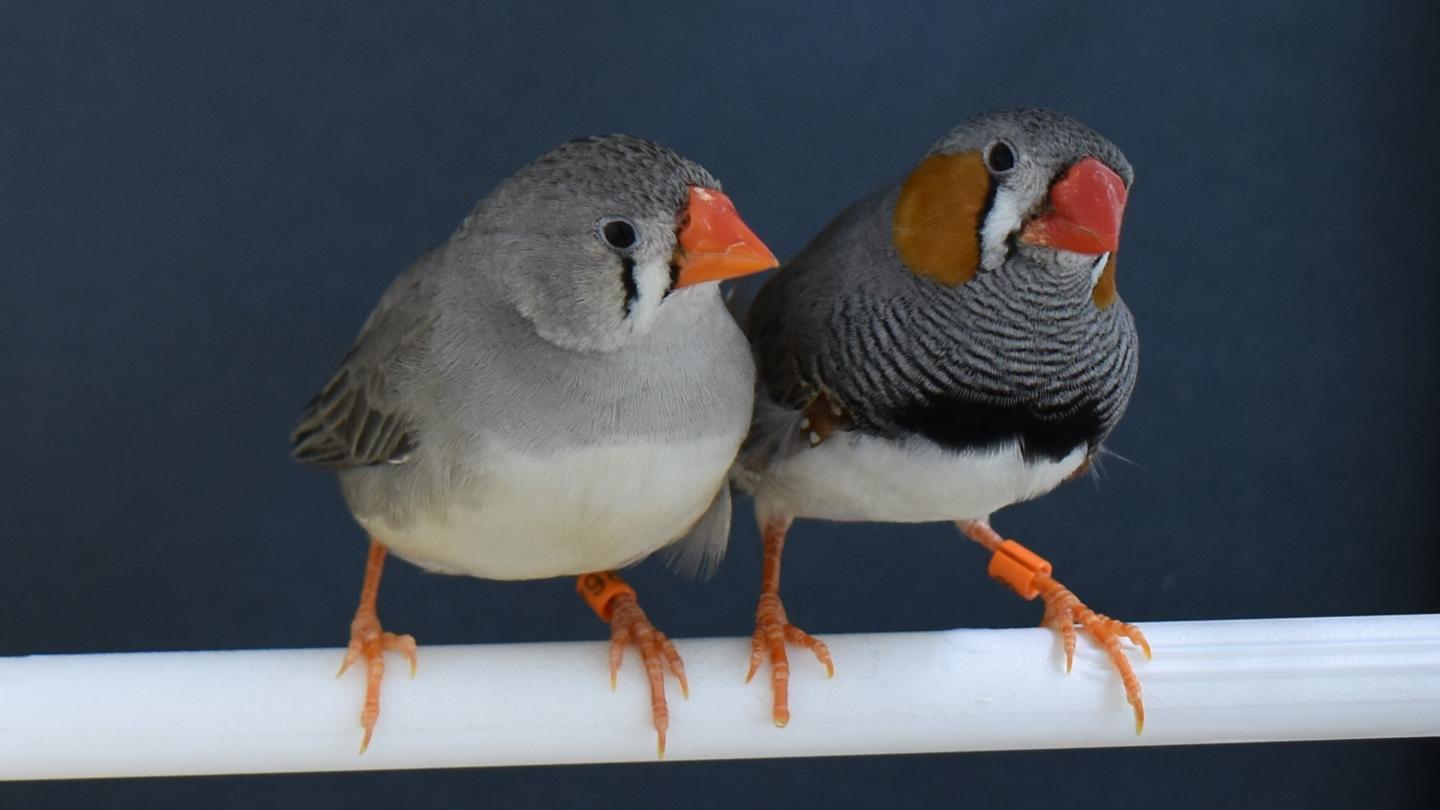
U of A scientists find that learning and past success play a role in how birds build their nests
IMAGE

Credit: Animal Cognition Research Group

When building a nest, previous experience raising chicks will influence the choices birds make, according to a new study by University of Alberta scientists.

The results show that birds that have successfully raised families stick with tried-and-true methods when building their nests, whereas less successful birds will try something new.

“We found that when presented with a choice between a familiar material, coconut fibre, and a never-before-encountered material, white string, zebra finches who had successfully raised chicks preferred to stick with the same material they had previously used. Birds who failed to raise chicks built nests with equal amounts of familiar and novel material,” explained Andrés Camacho-Alpízar, a PhD student in the Faculty of Science.

Male Zebra Finch selecting string

The research shows that nest building is a behaviour based on learning and past experiences, and sheds new light on the decision-making processes birds use when creating nests.

“Much like human architecture is ever-adapting–from changing styles to improved construction materials–birds also adapt their nest-building behaviour based on trial-and-error learning,” added Camacho-Alpízar, who conducted the study under the supervision of Lauren Guillette, assistant professor in the Department of Psychology.

The study also showed that all birds took fewer days to complete their second nests compared with their first nest.

Zebra Finch nests

Nests built by previously successful (left) and unsuccessful (right) zebra finches. The nest on the left is built mainly with coconut fibre, a familiar material type for the birds. The nest on the right was built with a more equal proportion of familiar and new material, in this case white string. (Photo: Animal Cognition Research Group)

“This study adds to the small but growing area of research about nest-building behaviour that challenges long-held assumptions about why animals do what they do,” said Guillette.

“While one can find many references in both the scientific and lay literature that suggest nest building in birds is entirely pre-programmed, our work shows that birds learn and modify the material they put into their nest based on past breeding experiences with that or similar material.”

###

This research was funded by the Natural Sciences and Engineering Council of Canada.

The study, “If it ain’t broke don’t fix it: breeding success affects nest-building decisions,” was published in Behavioural Processes.

Media Contact
Katie Willis
[email protected]

Original Source

https://www.ualberta.ca/folio/2021/02/zebra-finches-choose-nest-materials-based-on-past-experience-new-research-shows.html

Related Journal Article

http://dx.doi.org/10.1016/j.beproc.2021.104336

Tags: Biology
Share12Tweet8Share2ShareShareShare2

Related Posts

Newly Discovered Chronic Pain Circuit Unveils Potential Avenues for Innovative Treatments

Newly Discovered Chronic Pain Circuit Unveils Potential Avenues for Innovative Treatments

April 2, 2026
DNA Transforms from Blueprint to Active Field Agent

DNA Transforms from Blueprint to Active Field Agent

April 2, 2026

UBC Okanagan Study Reveals How Trees Visually Signal Their Spring Rehydration

April 1, 2026

Rising Temperatures from Climate Change Associated with Reduced Newborn Size

April 1, 2026
Please login to join discussion

POPULAR NEWS

  • blank

    Revolutionary AI Model Enhances Precision in Detecting Food Contamination

    96 shares
    Share 38 Tweet 24
  • Imagine a Social Media Feed That Challenges Your Views Instead of Reinforcing Them

    1007 shares
    Share 398 Tweet 249
  • Promising Outcomes from First Clinical Trials of Gene Regulation in Epilepsy

    51 shares
    Share 20 Tweet 13
  • Popular Anti-Aging Compound Linked to Damage in Corpus Callosum, Study Finds

    44 shares
    Share 18 Tweet 11

About

We bring you the latest biotechnology news from best research centers and universities around the world. Check our website.

Follow us

Recent News

Urogenital Dysfunction in Neurological Disorders Explained

Healthy Ageing and Quality of Life in Saudi Seniors

AI Predicts Post-Op Sepsis in Surgical Patients

Subscribe to Blog via Email

Enter your email address to subscribe to this blog and receive notifications of new posts by email.

Join 78 other subscribers
  • Contact Us

Bioengineer.org © Copyright 2023 All Rights Reserved.

Welcome Back!

Login to your account below

Forgotten Password?

Retrieve your password

Please enter your username or email address to reset your password.

Log In
No Result
View All Result
  • Homepages
    • Home Page 1
    • Home Page 2
  • News
  • National
  • Business
  • Health
  • Lifestyle
  • Science

Bioengineer.org © Copyright 2023 All Rights Reserved.