

• HOME
  • NEWS
  • EXPLORE
    • CAREER
      • Companies
      • Jobs
    • EVENTS
    • iGEM
      • News
      • Team
    • PHOTOS
    • VIDEO
    • WIKI
  • BLOG
  • COMMUNITY
    • FACEBOOK
    • INSTAGRAM
    • TWITTER
Wednesday, April 22, 2026
BIOENGINEER.ORG
No Result
View All Result
  • Login
  • HOME
  • NEWS
  • EXPLORE
    • CAREER
      • Companies
      • Jobs
        • Lecturer
        • PhD Studentship
        • Postdoc
        • Research Assistant
    • EVENTS
    • iGEM
      • News
      • Team
    • PHOTOS
    • VIDEO
    • WIKI
  • BLOG
  • COMMUNITY
    • FACEBOOK
    • INSTAGRAM
    • TWITTER
  • HOME
  • NEWS
  • EXPLORE
    • CAREER
      • Companies
      • Jobs
        • Lecturer
        • PhD Studentship
        • Postdoc
        • Research Assistant
    • EVENTS
    • iGEM
      • News
      • Team
    • PHOTOS
    • VIDEO
    • WIKI
  • BLOG
  • COMMUNITY
    • FACEBOOK
    • INSTAGRAM
    • TWITTER
No Result
View All Result
Bioengineer.org
No Result
View All Result
Home NEWS Science News Biology

Why macrophages rest in healthy tissue

Bioengineer by Bioengineer
November 20, 2018
in Biology
Reading Time: 2 mins read
0
Share on FacebookShare on TwitterShare on LinkedinShare on RedditShare on Telegram
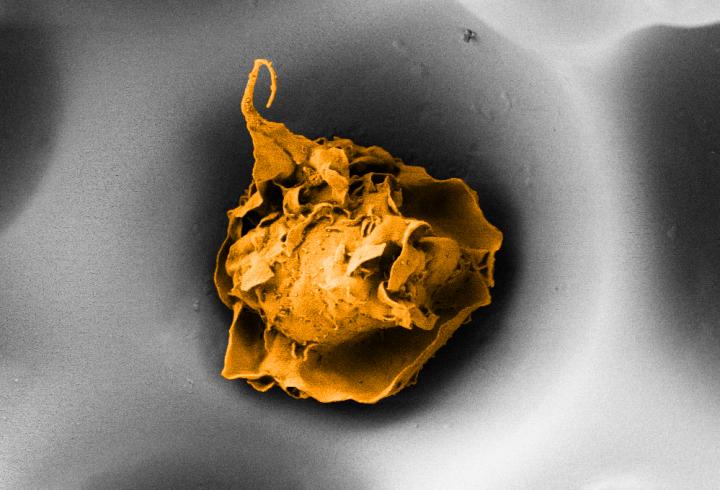
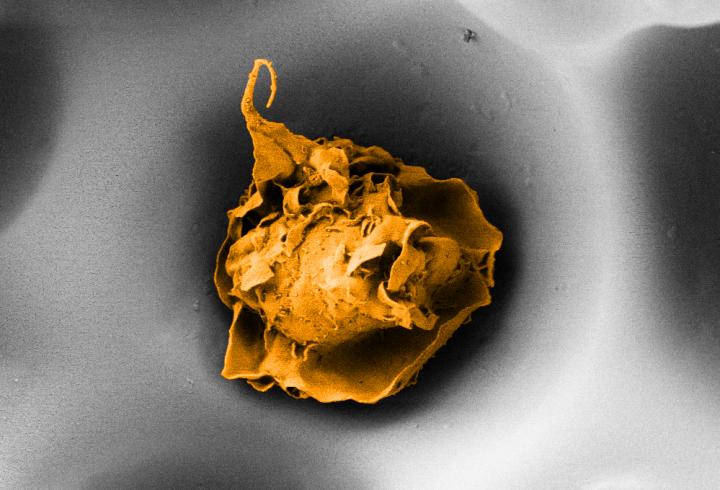
IMAGE

Credit: ETH Zurich/Nikhil Jain and Isabel Gerber

Macrophages are a type of white blood cell. The term comes from the Greek for "big eater", which describes one of the roles these cells play in our bodies: they detect and engulf pathogenic bacteria, triggering an inflammatory response that fights the infection. Macrophages are regulated by cytokines and other biochemical substances. These molecules stimulate macrophages to increase their activity when needed and to calm down once their job is done.

Viola Vogel, Professor in the Department of Health Science and Technology, and postdoc Nikhil Jain have now discovered another regulatory mechanism for pro-inflammatory macrophages: spatial information. When macrophages sit in the tissue between other cells and are constricted by them, their activity is lowered – even if upregulating stimuli are present.

No unnecessary inflammatory responses

"Not only do macrophages circulate in the blood, they can also be found in all the body's tissues. They wait quietly, like guards, until they are needed," Vogel explains. She says it's very important for the body that tissue residing macrophages stay inactive, as they could otherwise trigger unnecessary inflammatory responses: "Macrophages don't need to be activated until the tissue has been damaged." However, the mechanisms that dampen pro-inflammatory macrophage activity in healthy tissues have so far not been fully understood.

By conducting cell culture experiments in the lab, the ETH scientists have been able to determine that macrophages are regulated both biochemically and mechanically. By placing macrophages into pore-like indentations, they could restrict the spreading of individual cells.

These experiments also allowed the researchers to unlock underpinning molecular mechanisms. The function of a macrophage is tied to its size: if it is activated, it grows by expanding its cytoskeleton. This releases factors that influence the activity of the genes. The macrophage, however, cannot grow if it is caged in by external barriers.

Understanding diseases and improving implants

The discovery that spatial factors steer the activation of macrophages has major implications for the understanding of various diseases. "Many age related diseases are associated with the latent production of pro-inflammatory cytokines as produced by insufficiently controlled macrophages," Vogel says. This includes rheumatic diseases, atherosclerosis, obesity, cancer and several auto-immune diseases.

In addition, the discovery will spark new ideas how to structure the surfaces of implants so as to reduce inflammation. "We show that the structure of a material surface affects the macrophage response," Vogel says. The next step could be to see if, for example, patients who receive implants with porous surfaces form less scar tissue around it, as suggested already by some previous observations.

###

Reference

Jain N, Vogel V: Spatial confinement downsized the inflammatory response of macrophages. Nature Materials, 22 October 2018 doi: 10.1038/s41563-018-0190-6 http://dx.doi.org/10.1038/s41563-018-0190-6

Media Contact

Viola Vogel
[email protected]
41-446-320-887
@ETH_en

http://www.ethz.ch/index_EN

Original Source

https://www.ethz.ch/en/news-and-events/eth-news/news/2018/11/why-macrophages-rest-in-healthy-tissue.html http://dx.doi.org/10.1038/s41563-018-0190-6


Share12Tweet8Share2ShareShareShare2

Related Posts

New Grass-Green Pitviper Species Discovered in China’s Giant Panda National Park: A Serpent Fit for a Philosopher

New Grass-Green Pitviper Species Discovered in China’s Giant Panda National Park: A Serpent Fit for a Philosopher

April 22, 2026
Scientists Enhance Precision in Visualizing Cellular Life

Scientists Enhance Precision in Visualizing Cellular Life

April 22, 2026

Unveiling Proteins Within Living Cells: Revolutionary Probes Deliver Unmatched Clarity

April 22, 2026

Scientists Unveil Truth Behind Cuckoos’ Egg-Laying Mystery

April 22, 2026
Please login to join discussion

POPULAR NEWS

  • Research Indicates Potential Connection Between Prenatal Medication Exposure and Elevated Autism Risk

    797 shares
    Share 319 Tweet 199
  • Scientists Investigate Possible Connection Between COVID-19 and Increased Lung Cancer Risk

    65 shares
    Share 26 Tweet 16
  • Salmonella Haem Blocks Macrophages, Boosts Infection

    58 shares
    Share 23 Tweet 15
  • NSF funds machine-learning research at UNO and UNL to study energy requirements of walking in older adults

    101 shares
    Share 40 Tweet 25

About

We bring you the latest biotechnology news from best research centers and universities around the world. Check our website.

Follow us

Recent News

Palmitic Acid Boosts Bordetella pertussis Virulence

Gene Variant, RSV Bronchiolitis Linked to Male Asthma

New Grass-Green Pitviper Species Discovered in China’s Giant Panda National Park: A Serpent Fit for a Philosopher

Subscribe to Blog via Email

Enter your email address to subscribe to this blog and receive notifications of new posts by email.

Join 79 other subscribers
  • Contact Us

Bioengineer.org © Copyright 2023 All Rights Reserved.

Welcome Back!

Login to your account below

Forgotten Password?

Retrieve your password

Please enter your username or email address to reset your password.

Log In
No Result
View All Result
  • Homepages
    • Home Page 1
    • Home Page 2
  • News
  • National
  • Business
  • Health
  • Lifestyle
  • Science

Bioengineer.org © Copyright 2023 All Rights Reserved.
