• HOME
  • NEWS
  • EXPLORE
    • CAREER
      • Companies
      • Jobs
    • EVENTS
    • iGEM
      • News
      • Team
    • PHOTOS
    • VIDEO
    • WIKI
  • BLOG
  • COMMUNITY
    • FACEBOOK
    • INSTAGRAM
    • TWITTER
Sunday, June 28, 2026
BIOENGINEER.ORG
No Result
View All Result
  • Login
  • HOME
  • NEWS
  • EXPLORE
    • CAREER
      • Companies
      • Jobs
        • Lecturer
        • PhD Studentship
        • Postdoc
        • Research Assistant
    • EVENTS
    • iGEM
      • News
      • Team
    • PHOTOS
    • VIDEO
    • WIKI
  • BLOG
  • COMMUNITY
    • FACEBOOK
    • INSTAGRAM
    • TWITTER
  • HOME
  • NEWS
  • EXPLORE
    • CAREER
      • Companies
      • Jobs
        • Lecturer
        • PhD Studentship
        • Postdoc
        • Research Assistant
    • EVENTS
    • iGEM
      • News
      • Team
    • PHOTOS
    • VIDEO
    • WIKI
  • BLOG
  • COMMUNITY
    • FACEBOOK
    • INSTAGRAM
    • TWITTER
No Result
View All Result
Bioengineer.org
No Result
View All Result
Home Headlines

Why aren’t more kids with sickle cell disease getting this test?

Bioengineer.org by Bioengineer.org
January 27, 2018
in Headlines, Health, Science News
Reading Time: 2 mins read
0
Share on FacebookShare on TwitterShare on LinkedinShare on RedditShare on Telegram
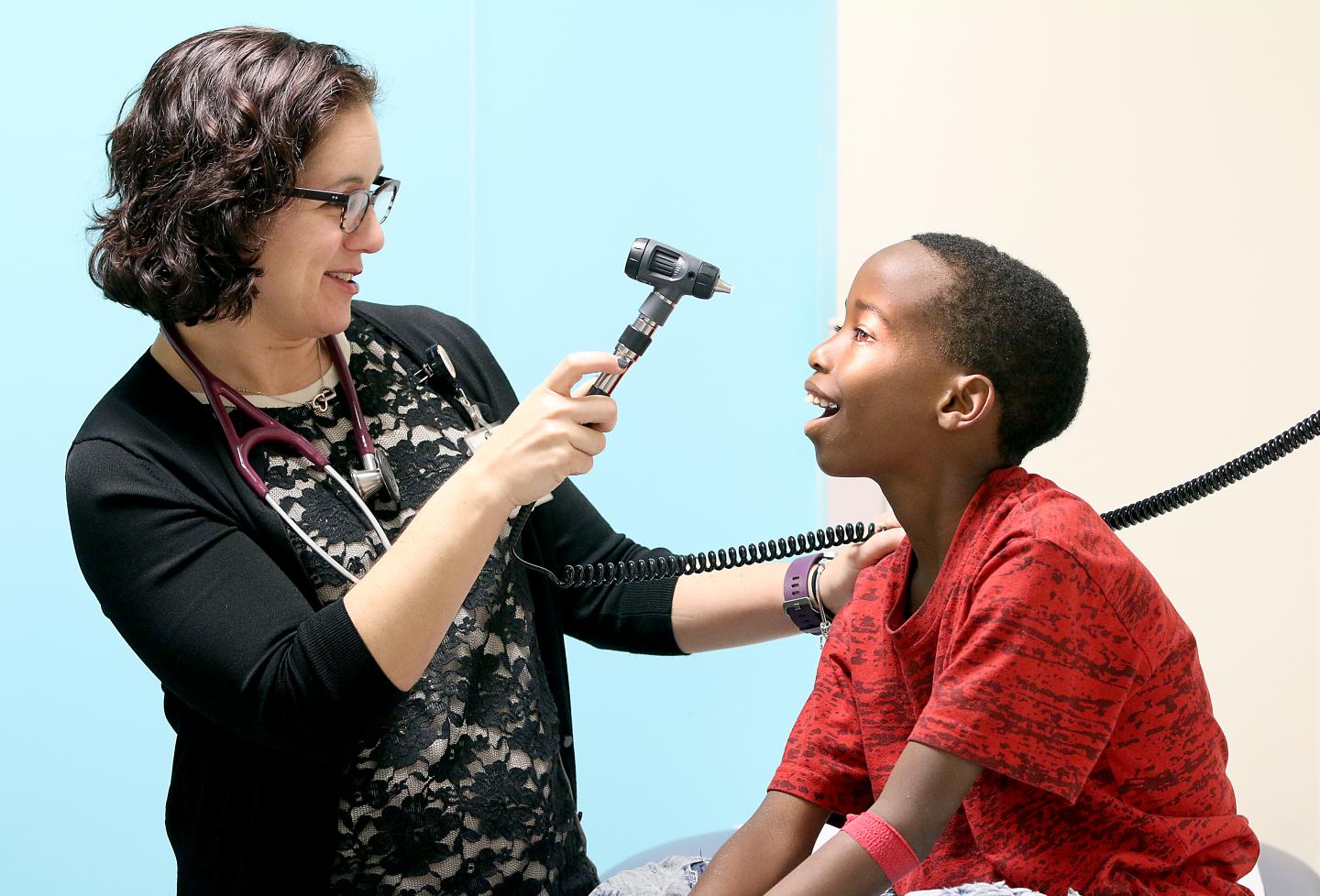
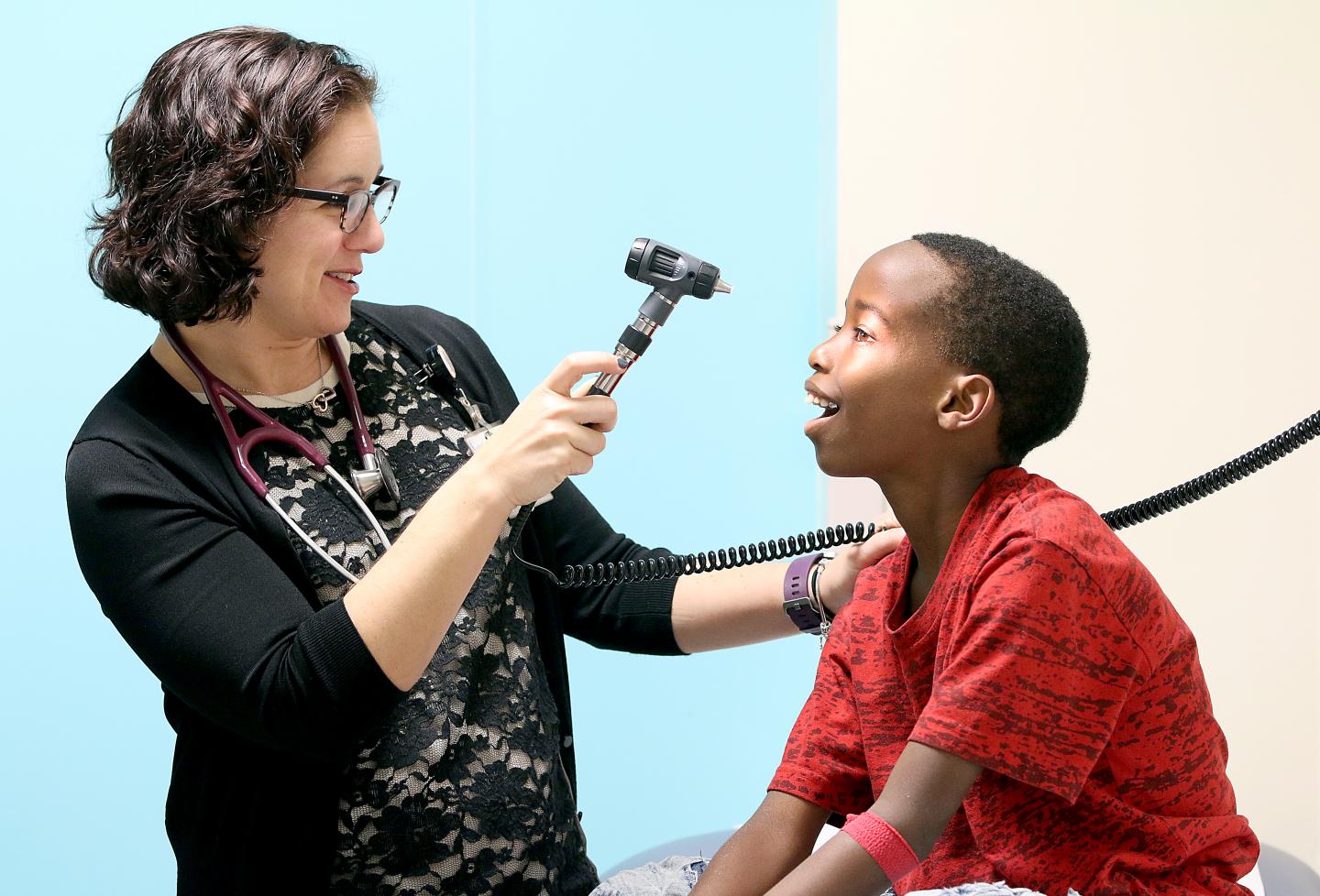
IMAGE

Credit: Sarah Pack

Hematologist and researcher Julie Kanter says as few as 30 percent of children across the country with sickle cell disease are getting a simple test that could keep them from having a stroke. She wants to bring that more in line with the MUSC Health rate of around 85 percent.

So Kanter and two other researchers at the Medical University of South Carolina are leading a national, 28-site study, looking at what keeps some children from getting transcranial Doppler exams.

"When I see kids — or adults — not getting the care they're supposed to, that everyone should be giving them, it's very bothersome," Kanter said. The MUSC Health doctor directs sickle cell disease research at MUSC, which recruited her to help make the campus a national leader in fighting a condition that affects an estimated 4,500 people in South Carolina. Kanter also leads a statewide network that's working to improve care throughout the state for teenagers and young adults.

She, stroke specialist Robert Adams and public health expert Cathy Melvin make up the MUSC team leading the national transcranial Doppler study. It's called DISPLACE, or "Dissemination and Implementation of Stroke Prevention Looking at the Care Environment." The National Heart, Lung and Blood Institute is paying $5 million to fund the study over a five-year period.

A transcranial Doppler, or TCD, measures how quickly blood is flowing through vessels in the brain. "Doing the TCD is like a colon cancer screen," Kanter said. "If you do a colonoscopy, you can prevent colon cancer by taking the necessary steps following that colonoscopy. If we do a TCD and it's abnormal, you can start transfusion therapy and prevent stroke."

Strokes are a common concern for people with sickle cell disease. Sickle cells are misshaped red blood cells that don't flow easily in the body. They can clump up in brain arteries, damaging the walls of blood vessels and leading to strokes.

Why doesn't every child with sickle disease get transcranial Doppler screening as often as needed? That's what the study will find out. Kanter already knows some possibilities. "A child may not get a TCD because mom forgot the appointment or didn't think it was important. Maybe the TCD machine was broken or unavailable. We don't know. We only know that about one-third to one-half of kids are getting them the way they're supposed to."

Adams, one of her co-principal investigators on the study, has been involved in research aimed at reducing strokes in kids with sickle cell disease for almost two decades. He led an earlier study that showed TCD is a good screening tool. But Kanter said follow-up research showed not everybody was benefitting from it. "Implementation rates varied between 30 and 70 percent at different institutions."

Once the new study shows what the barriers are, the focus will shift to how to get rid of those barriers and get more people the screening they need.

###

Media Contact

Heather Woolwine
[email protected]
843-792-7669
@MUSChealthPN

http://www.musc.edu

Original Source

http://academicdepartments.musc.edu/newscenter/2017/kanter-sickle-cell-research/

Share12Tweet8Share2ShareShareShare2

Related Posts

Tracking Lanthanide-Labeled Microplastics in Plants

June 25, 2026

POSTECH Researchers Slash Cost of Reconstituted Cell-Free Systems by 95%

June 25, 2026

AI and Physics Collaborate to Design Advanced Hydrogen Storage Materials

June 25, 2026

Natural Hallucinogens: Evolution’s Ecological Tools, Not Mere Chemical Byproducts

June 25, 2026
Please login to join discussion

POPULAR NEWS

  • Saying Goodbye to PGY-6: Pediatric Fellowship Realities

    103 shares
    Share 41 Tweet 26
  • Multi-Hospital Study Reveals Long Covid Burden Is Twice as High as Current Estimates

    92 shares
    Share 36 Tweet 23
  • Detection of EDCs in Breast Milk and Infant Urine Up to Six Months Highlights Early Exposure Risks

    77 shares
    Share 31 Tweet 19
  • New Drug Candidate Developed at McMaster Shows Potential for Treating Brain Cancer

    58 shares
    Share 23 Tweet 15

About

We bring you the latest biotechnology news from best research centers and universities around the world. Check our website.

Follow us

Recent News

Tracking Lanthanide-Labeled Microplastics in Plants

POSTECH Researchers Slash Cost of Reconstituted Cell-Free Systems by 95%

AI and Physics Collaborate to Design Advanced Hydrogen Storage Materials

Subscribe to Blog via Email

Success! An email was just sent to confirm your subscription. Please find the email now and click 'Confirm' to start subscribing.

Join 82 other subscribers
  • Contact Us

Bioengineer.org © Copyright 2023 All Rights Reserved.

Welcome Back!

Login to your account below

Forgotten Password?

Retrieve your password

Please enter your username or email address to reset your password.

Log In
No Result
View All Result
  • Homepages
    • Home Page 1
    • Home Page 2
  • News
  • National
  • Business
  • Health
  • Lifestyle
  • Science

Bioengineer.org © Copyright 2023 All Rights Reserved.