Fitbits, Garmins or Apple Watches, whatever your preference, wearable activity trackers could help patients recover faster during a hospitalisation, potentially easing some pressures on Australia’s overburdened hospital system, according to new research from the University of South Australia.
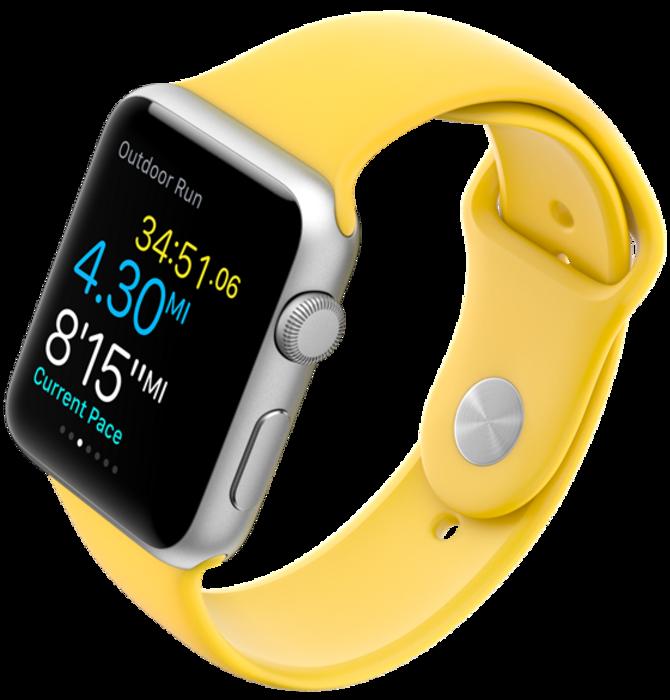
Credit: “Apple Watch” by wiyre.com is licensed under CC BY 2.0.
Fitbits, Garmins or Apple Watches, whatever your preference, wearable activity trackers could help patients recover faster during a hospitalisation, potentially easing some pressures on Australia’s overburdened hospital system, according to new research from the University of South Australia.
Published in the prestigious JAMA Network Open today, the systematic review and meta-analysis found that when hospital patients wore activity trackers, they were more active, less sedentary, and had improved physical function (compared to patients undergoing usual care in hospital) and that this supported faster recovery.
Examining 15 studies with a combined total of 1911 patients (undergoing stroke rehabilitation, orthopedic rehabilitation, mixed rehabilitation, and various medical and surgical cohorts) the study found that patients achieved:
- 826 daily steps more than usual care
- 10 minutes more per day of active time compared to usual care
- 36 minutes less per day of sedentary behaviour compared to usual care.
UniSA PhD candidate and accredited exercise physiologist Kimberley Szeto says wearable activity trackers can accelerate patient recovery during a hospital stay due to their ability to improve patient activity and reduce sedentary behaviour.
“Hospital stays are often marked by extreme patient inactivity, which paradoxically, can exacerbate other health issues, and lead to longer hospital stays” Szeto says.
“A lack of movement during a hospital stay can trigger a cascade of negative outcomes, from functional decline and frailty to disability, and even higher mortality risks.
“Wearable activity trackers such as Fitbits are a great intervention for improving physical activity and sedentary behaviour during a hospital stay. This can also lead to improvements in clinical outcomes for patients, like physical function (which refers to the patient’s ability to perform daily activities, like balancing and walking to where they need to go).
“While 826 steps may not sound like a lot, the improvements that our study found are substantial, with other studies showing that increasing daily step counts by even 250-500 steps is associated with a reduced risk for prolonged hospitalisation, discharge to non-home locations, and readmission.”
Senior researcher, Professor Carol Maher says that wearable activity trackers are a promising intervention for improving patient activity and recovery during a hospitalisation.
“The strain of hospital visits on the health system is significant. Wearable activity trackers are a cheap and effective tool that notably enhances the journey towards recovery.”
Notes to editors:
A podcast will accompany the published paper online.
Media contact: Annabel Mansfield M: +61 479 182 489 E: [email protected]
Researchers:
Kimberley Szeto E: [email protected]
Prof Carol Maher E: [email protected]
Journal
JAMA Network Open
DOI
10.1001/jamanetworkopen.2023.18478
Method of Research
Meta-analysis
Subject of Research
Not applicable
Article Title
Interventions using wearable activity trackers to improve patient physical acttivity and other outcomes in adults who are hospitalized. A systematic review and Meta-Analysis.
Article Publication Date
15-Jun-2023
COI Statement
Yes