• HOME
  • NEWS
  • EXPLORE
    • CAREER
      • Companies
      • Jobs
    • EVENTS
    • iGEM
      • News
      • Team
    • PHOTOS
    • VIDEO
    • WIKI
  • BLOG
  • COMMUNITY
    • FACEBOOK
    • INSTAGRAM
    • TWITTER
Thursday, June 25, 2026
BIOENGINEER.ORG
No Result
View All Result
  • Login
  • HOME
  • NEWS
  • EXPLORE
    • CAREER
      • Companies
      • Jobs
        • Lecturer
        • PhD Studentship
        • Postdoc
        • Research Assistant
    • EVENTS
    • iGEM
      • News
      • Team
    • PHOTOS
    • VIDEO
    • WIKI
  • BLOG
  • COMMUNITY
    • FACEBOOK
    • INSTAGRAM
    • TWITTER
  • HOME
  • NEWS
  • EXPLORE
    • CAREER
      • Companies
      • Jobs
        • Lecturer
        • PhD Studentship
        • Postdoc
        • Research Assistant
    • EVENTS
    • iGEM
      • News
      • Team
    • PHOTOS
    • VIDEO
    • WIKI
  • BLOG
  • COMMUNITY
    • FACEBOOK
    • INSTAGRAM
    • TWITTER
No Result
View All Result
Bioengineer.org
No Result
View All Result
Home NEWS Science News

Warming ponds could accelerate climate change

Bioengineer by Bioengineer
February 20, 2017
in Science News
Reading Time: 2 mins read
0
Share on FacebookShare on TwitterShare on LinkedinShare on RedditShare on Telegram
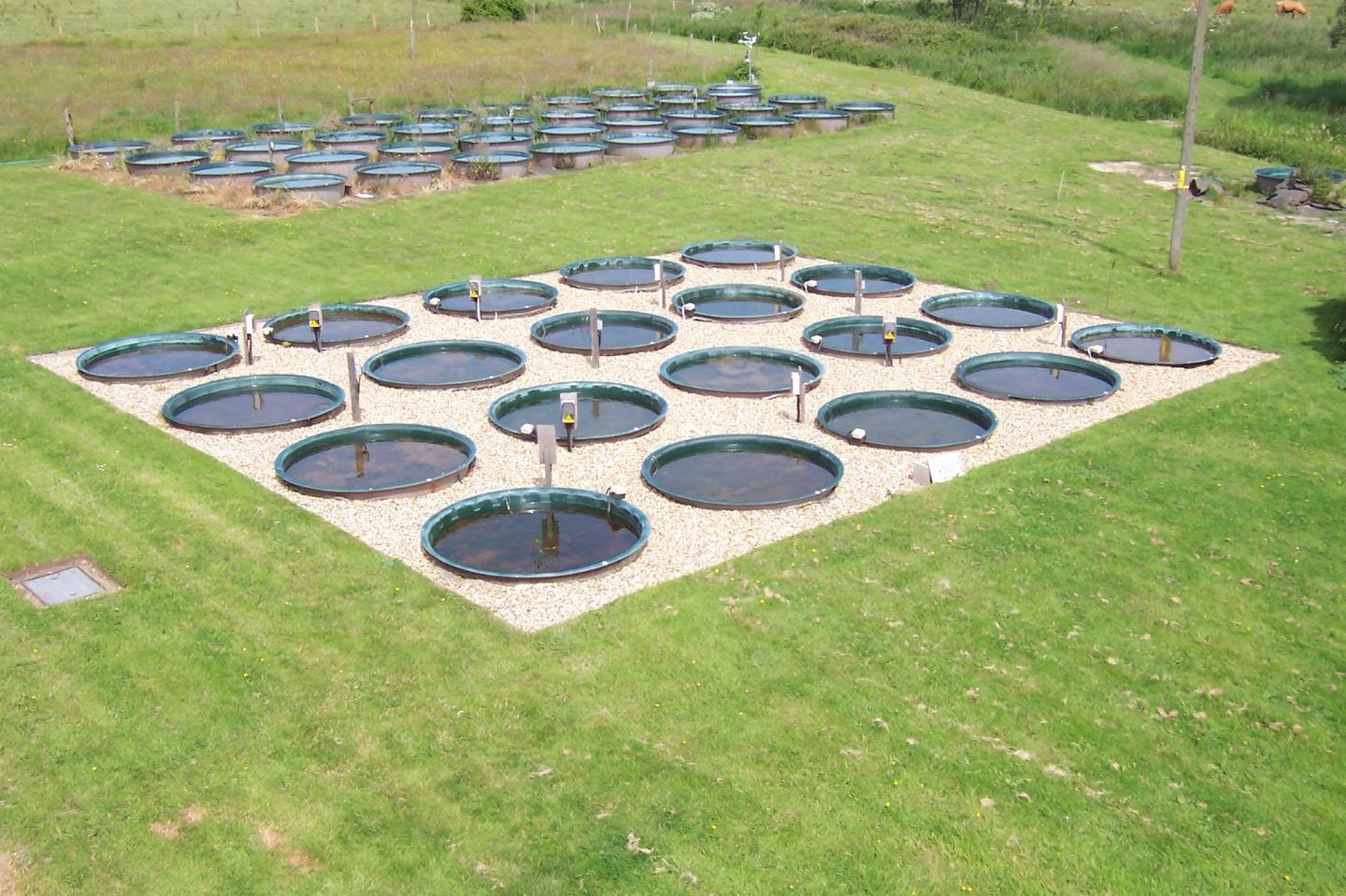
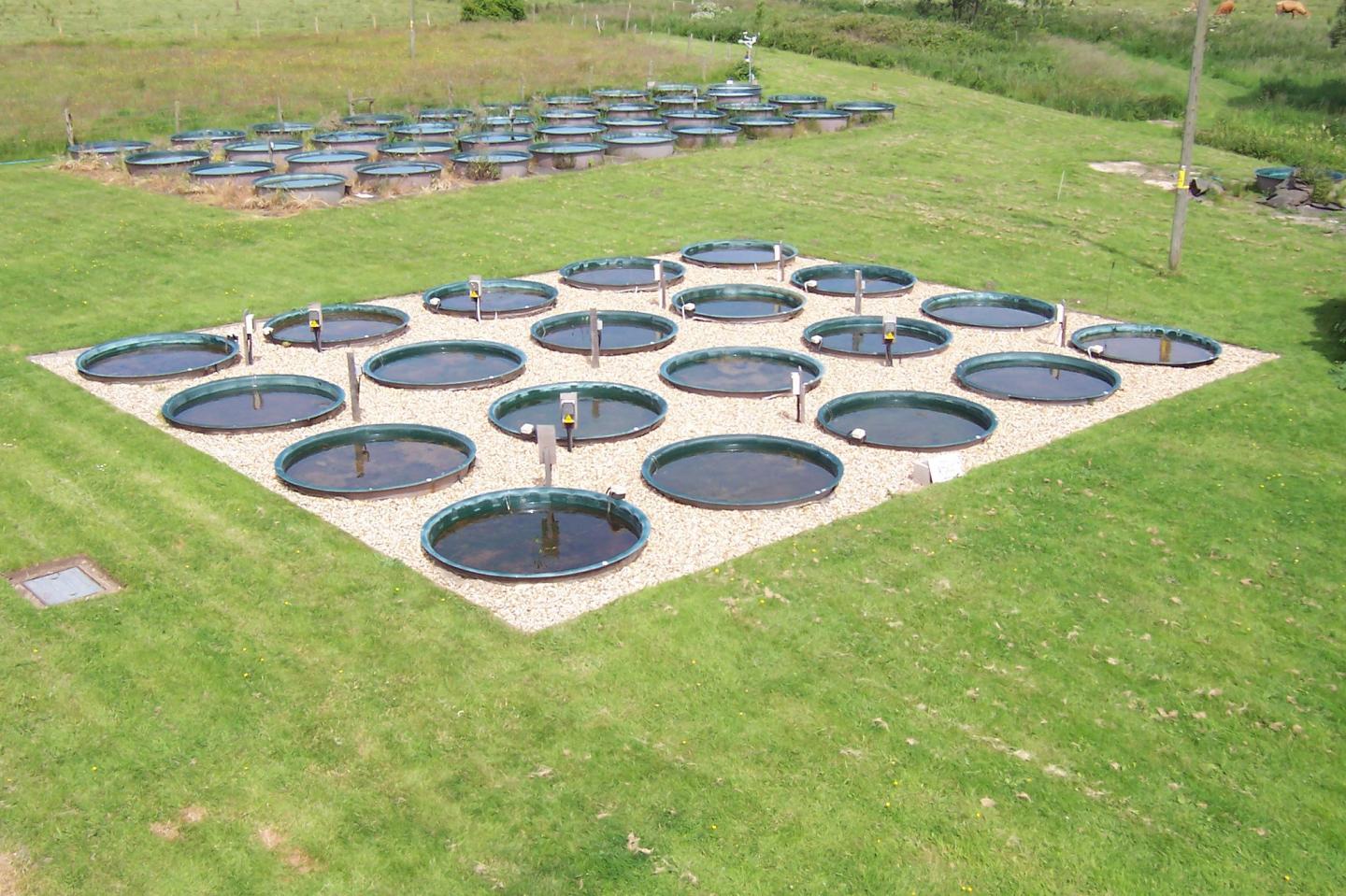
IMAGE

Credit: University of Exeter

Rising temperatures could accelerate climate change by reducing the amount of carbon dioxide stored in ponds and increasing the methane they release, new research shows.

The scientists experimentally warmed an array of ponds over seven years by 4-5ÂșC and studied the impacts on greenhouse gas emissions and rates of metabolism.

Changes observed after the first year became "amplified" over a longer period, according to the study by the University of Exeter and Queen Mary University of London

After seven years, a pond's ability to absorb carbon dioxide (CO2) was reduced by almost half, while methane release almost doubled.

Lakes and ponds cover about 4% of Earth's surface (excluding areas covered by glaciers and ice sheets) but they are disproportionately large sources of methane and CO2 to the atmosphere.

Ponds of less than one square metre are responsible for releasing about 40% of all methane emissions from inland waters.

"This is the first experiment to investigate the long-term effects of warming in aquatic ecosystems," said lead author Professor Gabriel Yvon-Durocher, of the Environment and Sustainability Institute on the University of Exeter's Penryn Campus in Cornwall.

"Given the substantial contribution small ponds make to the emission of greenhouse gases, it is vital to understand how they might respond to global warming.

"Our findings show that warming can fundamentally alter the carbon balance of small ponds over a number of years, reducing their capacity to absorb carbon dioxide and increasing emissions of methane.

"This could ultimately accelerate climate change."

Such effects are known as "positive feedbacks" – where the effects of global warming on components of the biosphere lead to changes that further climate change.

"The amplified effects of experimental warming we have observed in ponds are different to those we typically see on land, where large initial effects of warming appear to diminish over the long term," Professor Yvon-Durocher said.

"This accelerating effect in ponds, which could have serious impacts on climate change, is not currently accounted for in Intergovernmental Panel on Climate Change models."

###

The paper, entitled "Long-term warming amplifies shifts in the carbon cycle of experimental ponds", is published in the journal Nature Climate Change.

The study, supported by a grant from the Natural Environment Research Council, started in 2007 and continues to gather data.

Media Contact

Alex Morrison
[email protected]
01-392-724-828
@uniofexeter

http://www.exeter.ac.uk

############

Story Source: Materials provided by Scienmag

Share13Tweet8Share2ShareShareShare2

Related Posts

Tracking Lanthanide-Labeled Microplastics in Plants

June 25, 2026

POSTECH Researchers Slash Cost of Reconstituted Cell-Free Systems by 95%

June 25, 2026

AI and Physics Collaborate to Design Advanced Hydrogen Storage Materials

June 25, 2026

Natural Hallucinogens: Evolution’s Ecological Tools, Not Mere Chemical Byproducts

June 25, 2026
Please login to join discussion

POPULAR NEWS

  • Saying Goodbye to PGY-6: Pediatric Fellowship Realities

    103 shares
    Share 41 Tweet 26
  • Multi-Hospital Study Reveals Long Covid Burden Is Twice as High as Current Estimates

    92 shares
    Share 36 Tweet 23
  • Detection of EDCs in Breast Milk and Infant Urine Up to Six Months Highlights Early Exposure Risks

    77 shares
    Share 31 Tweet 19
  • New Drug Candidate Developed at McMaster Shows Potential for Treating Brain Cancer

    58 shares
    Share 23 Tweet 15

About

We bring you the latest biotechnology news from best research centers and universities around the world. Check our website.

Follow us

Recent News

Tracking Lanthanide-Labeled Microplastics in Plants

POSTECH Researchers Slash Cost of Reconstituted Cell-Free Systems by 95%

AI and Physics Collaborate to Design Advanced Hydrogen Storage Materials

Subscribe to Blog via Email

Enter your email address to subscribe to this blog and receive notifications of new posts by email.

Join 82 other subscribers
  • Contact Us

Bioengineer.org © Copyright 2023 All Rights Reserved.

Welcome Back!

Login to your account below

Forgotten Password?

Retrieve your password

Please enter your username or email address to reset your password.

Log In
No Result
View All Result
  • Homepages
    • Home Page 1
    • Home Page 2
  • News
  • National
  • Business
  • Health
  • Lifestyle
  • Science

Bioengineer.org © Copyright 2023 All Rights Reserved.