• HOME
  • NEWS
  • EXPLORE
    • CAREER
      • Companies
      • Jobs
    • EVENTS
    • iGEM
      • News
      • Team
    • PHOTOS
    • VIDEO
    • WIKI
  • BLOG
  • COMMUNITY
    • FACEBOOK
    • INSTAGRAM
    • TWITTER
Monday, June 29, 2026
BIOENGINEER.ORG
No Result
View All Result
  • Login
  • HOME
  • NEWS
  • EXPLORE
    • CAREER
      • Companies
      • Jobs
        • Lecturer
        • PhD Studentship
        • Postdoc
        • Research Assistant
    • EVENTS
    • iGEM
      • News
      • Team
    • PHOTOS
    • VIDEO
    • WIKI
  • BLOG
  • COMMUNITY
    • FACEBOOK
    • INSTAGRAM
    • TWITTER
  • HOME
  • NEWS
  • EXPLORE
    • CAREER
      • Companies
      • Jobs
        • Lecturer
        • PhD Studentship
        • Postdoc
        • Research Assistant
    • EVENTS
    • iGEM
      • News
      • Team
    • PHOTOS
    • VIDEO
    • WIKI
  • BLOG
  • COMMUNITY
    • FACEBOOK
    • INSTAGRAM
    • TWITTER
No Result
View All Result
Bioengineer.org
No Result
View All Result
Home NEWS Science News Health

Vitamin D could help mitigate chemotherapy side effects

Bioengineer by Bioengineer
June 18, 2020
in Health
Reading Time: 2 mins read
0
IMAGE
Share on FacebookShare on TwitterShare on LinkedinShare on RedditShare on Telegram

IMAGE

Credit: University of South Australia

As many cancer patients will confirm, the chemotherapy prescribed to kill the disease is often more debilitating than the cancer itself, with a range of horrendous side effects.

Gastrointestinal mucositis, a painful inflammation and ulceration of the digestive tract, is one adverse outcome of chemotherapy that has plagued cancer sufferers for years, and for which no effective treatment currently exists.

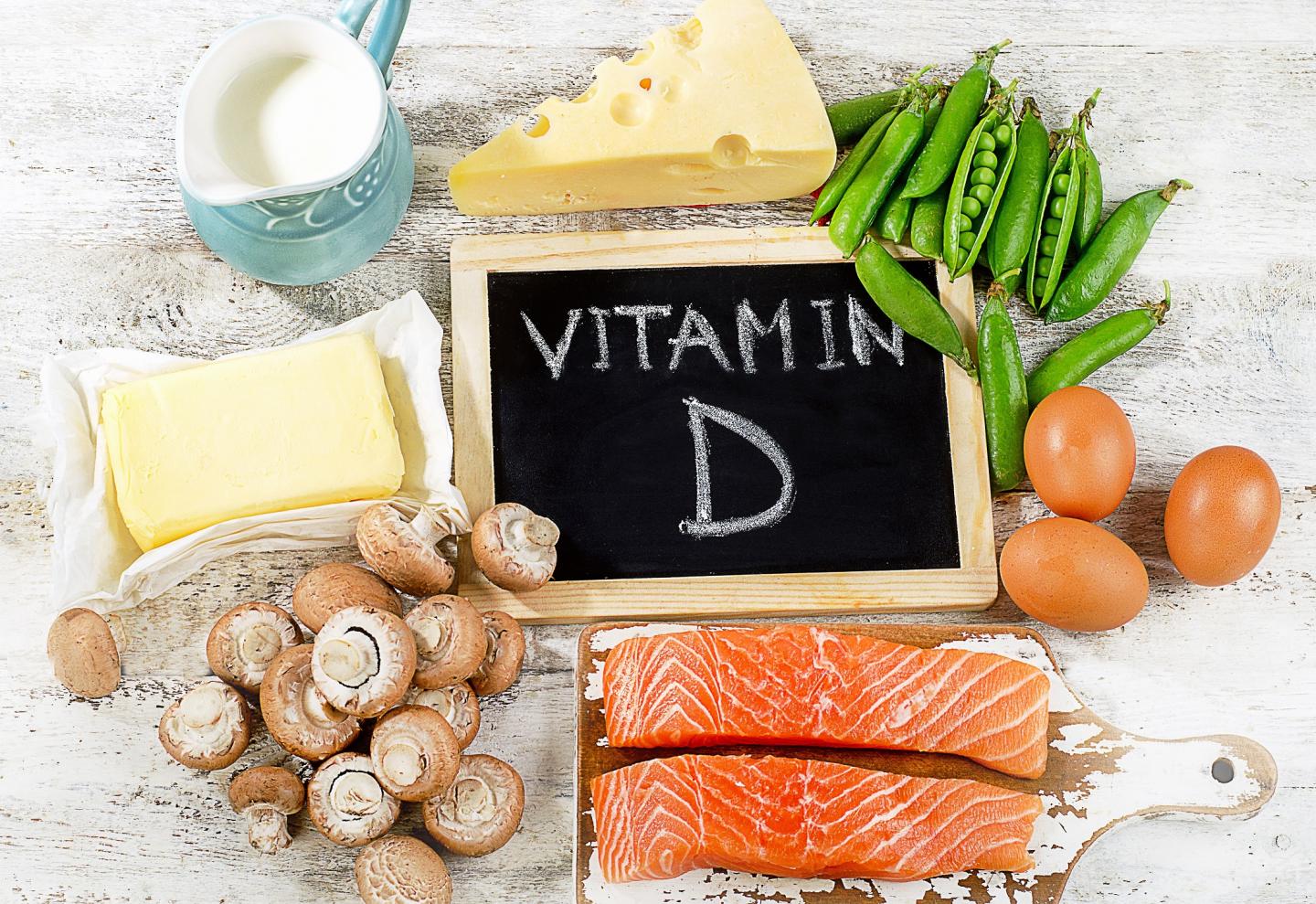
But this bleak outlook may be about to change, according to University of South Australia researchers who say Vitamin D could potentially mitigate inflamed intestinal tracts and provide relief to cancer patients.

A new study undertaken by Dr Andrea Stringer, Associate Professor Paul Anderson and PhD student Cyan Sylvester highlights the limited options for easing the gastrointestinal side effects of chemotherapy, singling out Vitamin D and probiotics as the most promising.

“We already know that Vitamin D helps in the absorption of calcium, but new findings suggest it may also play an important role in chemotherapy-induced intestinal mucositis,” says Sylvester, the lead author of a recent paper reviewing new therapeutic strategies for combatting gastrointestinal toxicity.

“The severity and progression of various gastrointestinal diseases, such as irritable bowel syndrome and colorectal cancer, is associated with Vitamin D deficiency,” she says.

“It appears that Vitamin D helps suppress inflammation and enhances the function of T-cells which boosts immunity.”

Vitamin D is also thought to improve the efficacy of certain anti-cancer drugs.

The researchers are now working on ways to enhance the activity of vitamin D in the intestine as a more viable option for treating gastrointestinal mucositis.

“We know that Vitamin D definitely does more than help absorb calcium, but we need to better understand and optimise its action in the gut before we can be 100 per cent confident that it could be a treatment option for gastrointestinal mucositis,” says Dr Stringer.

“We are investigating the effects of enhanced vitamin D activity in the intestine on both reducing damage and minimising compositional change to the gut microbiome caused by chemotherapy agents.”

Probiotics (live bacteria and yeast) have also been widely promoted for digestive health and there is evidence they reduce the severity of diarrhoea and abdominal pain, but researchers have not been able to establish the direct effect of probiotics on intestinal function that reduces these side effects during and following cancer treatment.

“Vitamin D shows the most promise and could prove the key hormone to alleviate suffering for cancer patients,” Dr Stringer says.

###

Their paper has been published in Supportive and Palliative Care. For a copy, email [email protected]

Media Contact
Candy Gibson
[email protected]

Original Source

https://www.unisa.edu.au/Media-Centre/Releases/2020/vitamin-d-could-help-mitigate-chemotherapy-side-effects/

Related Journal Article

http://dx.doi.org/10.1097/SPC.0000000000000500

Tags: cancerGastroenterologyMedicine/HealthNutrition/Nutrients
Share12Tweet8Share2ShareShareShare2

Related Posts

Tracking Lanthanide-Labeled Microplastics in Plants

June 25, 2026

Neural Design Enables Zero-Shot Drug-Binding Proteins

June 25, 2026

Genomic Insights into Human Skin Fungi Diversity

June 25, 2026

Chiral Laser Gyroscopes Surpass Lock-In Limit

June 25, 2026
Please login to join discussion

POPULAR NEWS

  • Saying Goodbye to PGY-6: Pediatric Fellowship Realities

    103 shares
    Share 41 Tweet 26
  • Multi-Hospital Study Reveals Long Covid Burden Is Twice as High as Current Estimates

    92 shares
    Share 36 Tweet 23
  • Detection of EDCs in Breast Milk and Infant Urine Up to Six Months Highlights Early Exposure Risks

    77 shares
    Share 31 Tweet 19
  • New Drug Candidate Developed at McMaster Shows Potential for Treating Brain Cancer

    58 shares
    Share 23 Tweet 15

About

We bring you the latest biotechnology news from best research centers and universities around the world. Check our website.

Follow us

Recent News

Tracking Lanthanide-Labeled Microplastics in Plants

POSTECH Researchers Slash Cost of Reconstituted Cell-Free Systems by 95%

AI and Physics Collaborate to Design Advanced Hydrogen Storage Materials

Subscribe to Blog via Email

Success! An email was just sent to confirm your subscription. Please find the email now and click 'Confirm' to start subscribing.

Join 82 other subscribers
  • Contact Us

Bioengineer.org © Copyright 2023 All Rights Reserved.

Welcome Back!

Login to your account below

Forgotten Password?

Retrieve your password

Please enter your username or email address to reset your password.

Log In
No Result
View All Result
  • Homepages
    • Home Page 1
    • Home Page 2
  • News
  • National
  • Business
  • Health
  • Lifestyle
  • Science

Bioengineer.org © Copyright 2023 All Rights Reserved.