In a groundbreaking study published in the British Journal of Cancer, researchers have unveiled the intricate landscapes of immunosuppressive immune microenvironments present in gastric cancer characterized by high levels of VISTA (V-domain Ig suppressor of T cell activation). This revolutionary insight into the immune landscape surrounding tumors offers potential new avenues for therapeutic interventions, helping to understand how the immune system, a critical warrior against tumors, is exploited by cancer cells to evade destruction.
Gastric cancer remains one of the leading causes of cancer mortality worldwide, with its lethality often attributed to late-stage diagnoses and limited treatment options. The immune microenvironment plays a vital role in tumor progression and response to therapy, yet the specific mechanisms through which gastric cancers manipulate immune responses have been poorly understood. This study highlights the significance of high VISTA expression as a crucial marker for an immunosuppressive microenvironment, characterized by various immune cell populations that favor tumor growth.
When considering the immune system’s function, one must understand its complexity. Immunity primarily operates through a balance between pro-inflammatory and anti-inflammatory signals, a balance often disrupted in cancer. VISTA is a recently characterized immune checkpoint that inhibits T cell activity, thus playing a pivotal role in suppressing anti-tumor immunity. The authors of the study, led by Luo and colleagues, delve deep into how VISTA-expressing tumors create a sanctuary, rendering the immune system impotent against the growing malignancy.
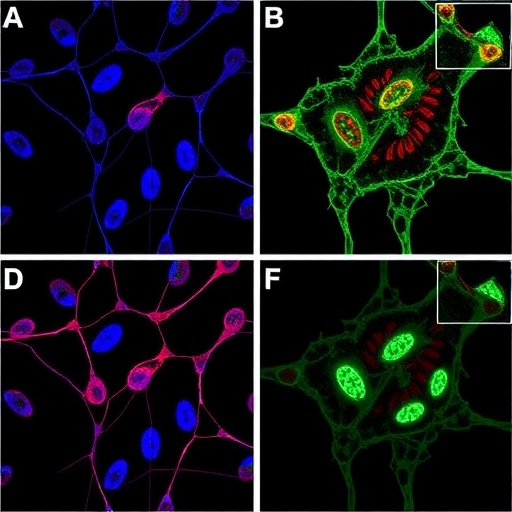
The study employs advanced immunohistochemical techniques paired with sophisticated bioinformatics analyses to map immune cell distributions within the tumor microenvironment. Through these methods, the researchers identified a heterogeneous array of immune cells that interact synergistically to contribute to an immunosuppressive milieu. These findings shed light on how different immune populations, including regulatory T cells and myeloid-derived suppressor cells, congregate around VISTA-high gastric tumors, further elucidating the complexities of gastric cancer immunology.
The implications of these findings extend beyond mere academics; understanding the relationship between VISTA expression and the immune microenvironment opens new frontiers for clinical applications. For instance, inhibitors targeting VISTA could potentially reinvigorate the immune response in patients with high VISTA gastric tumors. This aligns with the broader trend of immunotherapy, where harnessing the body’s immune system to combat cancer has shown promising results, yet the specific role of VISTA had previously remained elusive.
Furthermore, this research emphasizes the need for personalized treatment strategies. Not all gastric cancer patients respond uniformly to existing therapies, and the unique immunological landscape of each tumor could provide predictive biomarkers for treatment efficacy. By determining a patient’s VISTA expression levels, clinicians might better stratify patients who would benefit from immune checkpoint blockade versus those who might require different therapeutic modalities.
Another aspect that intrigues the authors is the potential synergy between targeting VISTA and existing immunotherapy strategies. The pharmaceutical landscape is rich with agents designed to tackle various immune checkpoints, but understanding how these can be combined with VISTA inhibitors could enhance overall therapeutic outcomes. Preclinical models could pave the way for clinical trials that test combinations, maximizing the anti-tumor immune response.
As we look ahead, one must consider the broader relevance of this study in the context of gastrointestinal malignancies. While the focus is on gastric cancer, many of the principles discovered may apply to other cancers exhibiting VISTA-high expression. This opens new research avenues towards understanding the immunological bases of cancers such as colorectal and esophageal cancer, where similar immunosuppressive mechanisms might be at play.
The study also raises vital questions regarding the interplay between the gut microbiome and the immune microenvironment in gastric cancer. Emerging research suggests that microbial composition can influence immune responses, which could further complicate the VISTA narrative. Future studies could investigate how modifications in diet or microbiome-targeted therapies might affect VISTA expression, potentially offering a therapeutic adjunct that could augment VISTA inhibitors.
In conclusion, the work conducted by Luo and colleagues lays a crucial foundation for future research aimed at mapping the immunobiology of gastric cancer. As scientists unravel the complexities of immune evasion, the possibility of developing innovative immunotherapies becomes more tangible. This aligns with the increasing evidence that personalized medicine transcends the traditional boundaries of cancer treatment, promising not only enhanced survival rates but also a better quality of life for patients battling this formidable disease.
Moving forward, it is essential that ongoing research continues to dissect these intricate interactions within the tumor microenvironment. The potential for developing effective therapies targeting VISTA provides a beacon of hope in the fight against gastric cancer and signifies a fundamental shift in how we approach cancer treatment in the 21st century. The implications of this study could resonate throughout the oncology community, inspiring a new generation of targeted therapies and transforming the therapeutic landscape for patients afflicted by this pernicious disease.
Strong engagement from both the academic and clinical communities will be key to translating these findings into actionable therapies. As we continue to uncover the various layers of immune interactions in cancer, we stand on the precipice of significant advancements in patient care, relying on the synergy of groundbreaking research and innovative clinical strategies to combat gastric cancer effectively.
The future of treating VISTA-high gastric cancer embodies optimism and possibility, combining the rigor of scientific inquiry with the relentless pursuit of better outcomes for patients. As we strive to keep up with the rapidly evolving landscape of cancer research, studies like this remind us of the critical importance of understanding the immune system’s role in tumor biology, and how this knowledge can ultimately translate into life-saving therapies.
Subject of Research: VISTA-high gastric cancer and its immunosuppressive microenvironment.
Article Title: Immunosuppressive immune microenvironment landscapes in VISTA-high gastric cancer.
Article References:
Luo, Y., Peng, H., Yao, Q. et al. Immunosuppressive immune microenvironment landscapes in VISTA-high gastric cancer.
Br J Cancer (2026). https://doi.org/10.1038/s41416-025-03290-0
Image Credits: AI Generated
DOI: 26 January 2026
Keywords: VISTA, gastric cancer, immunosuppression, immune microenvironment, checkpoint inhibitors.
Tags: British Journal of Cancer studygastric cancer mortality factorsimmune checkpoint inhibitorsimmune suppression in tumorsimmune system balance in cancerimmunosuppressive microenvironmentslate-stage gastric cancer challengesmechanisms of immune evasionT cell activation and cancertherapeutic interventions for cancerunderstanding immune responses in tumorsVISTA in gastric cancer