The discovery of stable extracellular microRNAs in biological fluids overturned the long-held dogma that ribonucleic acid is inherently unstable in ribonuclease-rich environments, firmly establishing circulating microRNAs as a cornerstone of modern liquid biopsy. In a comprehensive review published in the journal Immunity & Inflammation, authors Jiehao Chen, Jing Li, Xin Yin, Zheng Fu, Xi Chen, and Chen-Yu Zhang trace the scientific evolution of these circulating genetic regulators. Rather than remaining classified merely as passive stability biomarkers, these molecules are increasingly recognized as active orchestrators of systemic physiological communication and immune regulation across diverse biological tissues.
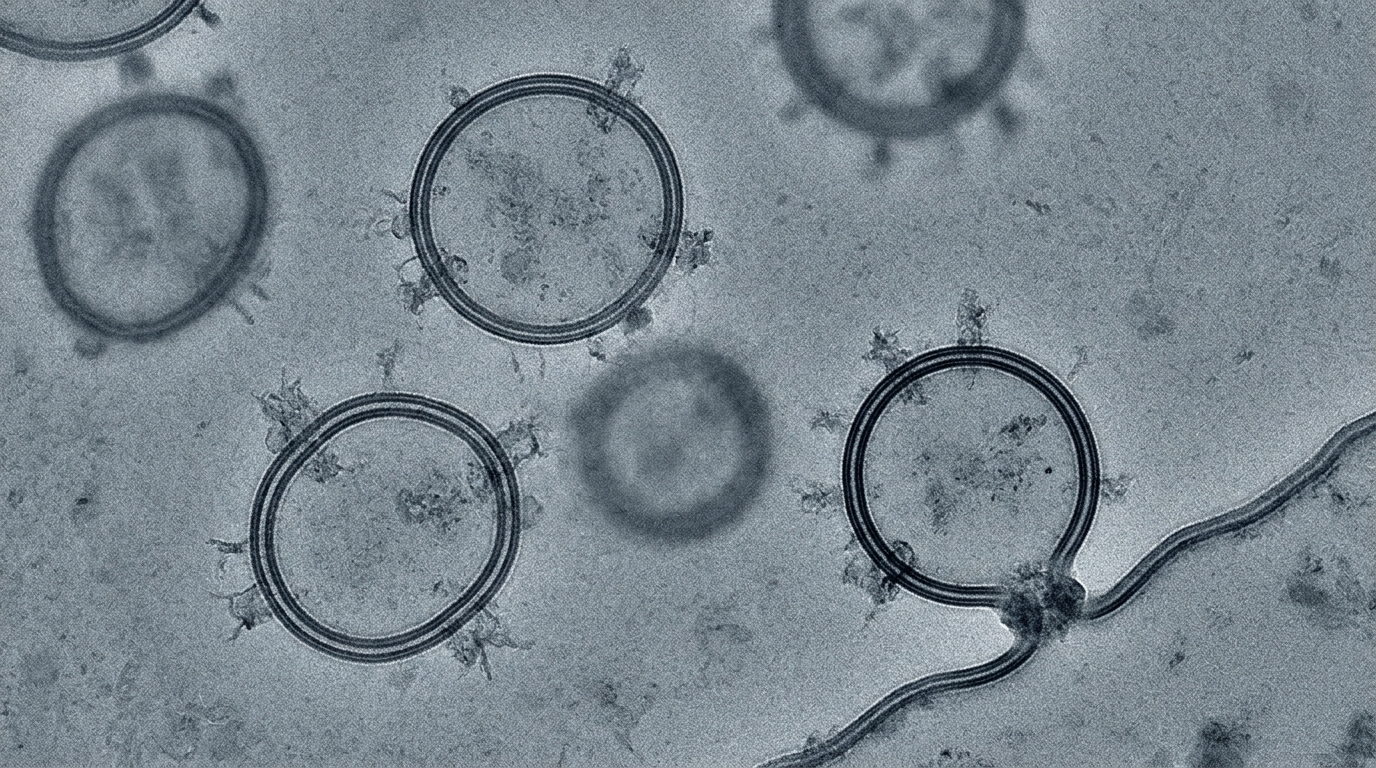
When encapsulated within extracellular vesicles, microRNAs undergo rigorous selective sorting and targeted delivery to distant cells, operating as the precise molecular postal system of a hidden biological language. According to the authors, this vesicle-based transport network coordinates vital inter-organ crosstalk across multiple physiological domains, including metabolic control, tissue repair mechanisms, and immune homeostasis. In stark contrast, extracellular microRNAs that exist outside vesicular membranes primarily serve as stable circulatory biomarkers or perform localized signaling functions by interacting directly with cell surface receptors, such as Toll-like receptors.
Beyond routine physiological maintenance, vesicle-associated microRNAs mediate sophisticated bidirectional dialogues between the host organism and external pathogens, described as non-self, as well as aberrant self structures such as developing tumors. The review highlights that this hidden molecular language plays an essential functional role in shaping tumor immune evasion, facilitating integration between innate and adaptive immune arms, and influencing biological responses to immune checkpoint inhibitors during therapeutic interventions.
Despite significant progress in understanding these communication pathways, the authors emphasize that critical knowledge gaps persist in achieving full fluency with this molecular language. Major unresolved hurdles include identifying the specific sorting codes governing how microRNAs are selectively loaded into vesicles, characterizing the mechanisms of endosomal escape within target recipient cells, and resolving the complex carrier heterogeneity that exists across circulating vesicle populations.
The review notes that overcoming these scientific challenges will depend on implementing rigorous standardization compliant with MISEV2023 guidelines alongside the deployment of advanced single-vesicle multi-omics technologies. Mastering these vesicular transport mechanisms is expected to position extracellular microRNAs to transform precise immunodiagnostic screening and drive the clinical development of engineered extracellular vesicle-based immunotherapies for cancer and autoimmune diseases.
Subject of Research: Vesicle-encapsulated extracellular microRNAs in systemic communication and immune regulation
Article Title: EV-encapsulated extracellular microRNAs as orchestrators of systemic communication in immunity and inflammation
Article References: Chen, J., Li, J., Yin, X., Fu, Z., Chen, X., & Zhang, C.-Y. (2026). EV-encapsulated extracellular microRNAs as orchestrators of systemic communication in immunity and inflammation. Immunity & Inflammation, 2(1), Article 26. https://doi.org/10.1007/s44466-026-00042-4
Image Credits: AI Generated
DOI: 10.1007/s44466-026-00042-4
Keywords: extracellular microRNAs, extracellular vesicles, liquid biopsy, systemic communication, immune regulation, inter-organ crosstalk, metabolism, tissue repair, immune homeostasis, Toll-like receptors, tumor immune evasion, innate-adaptive integration, immune checkpoint inhibitors, endosomal escape, carrier heterogeneity, MISEV2023, single-vesicle multi-omics, immunodiagnostics, engineered EV immunotherapeutics, autoimmune diseases
News Source: Ophelia Keating. (November 18, 2026). Vesicle MicroRNAs Orchestrate Systemic Immune Communication and Regulate Inflammation Across Organs. Scienmag.