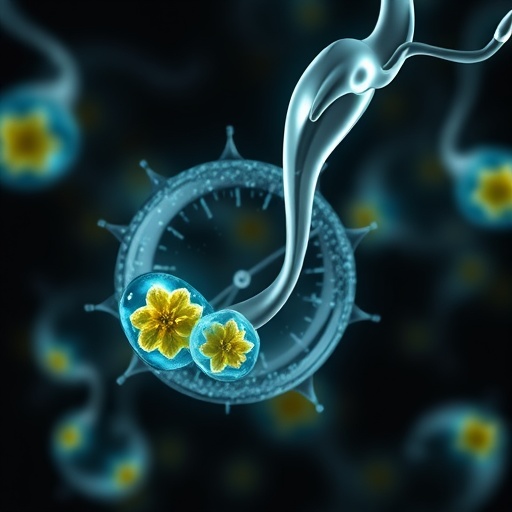
Vanillin, the compound responsible for vanilla’s characteristic aroma, may interfere with the earliest stages of human development when it is inhaled as part of an e-cigarette aerosol, according to a new laboratory study published in Human Reproduction. Researchers at the University of California, Riverside, found that concentrations of vanillin capable of activating a calcium-permeable cell-surface channel altered the behaviour of human embryonic stem cells. The cells lost some of their ability to remain pluripotent—the defining capacity to develop into virtually any cell type—and were pushed preferentially toward an endodermal fate. The findings do not demonstrate that vaping vanillin causes miscarriage or developmental abnormalities in pregnant women, but they identify a biological mechanism that could make flavouring chemicals relevant to reproductive and prenatal health.
The study was led by Prue Talbot, professor in the Department of Molecular, Cell and Systems Biology at UC Riverside, with Shabnam Etemadi, a stem-cell biologist and computational scientist. Because directly testing chemical exposure in pregnant women and embryos would be unethical and impractical, the researchers used human embryonic stem cells grown in laboratory dishes. These cells provide a model of the early embryonic state, particularly around the period when the developing embryo begins organising itself into the three primary germ layers: endoderm, ectoderm and mesoderm. The endoderm ultimately contributes to tissues including the lining of the digestive tract and respiratory system, while ectoderm produces structures such as the nervous system and mesoderm gives rise to muscle, bone, blood and many connective tissues.
Vanillin was selected because it is widely used as a flavouring ingredient in e-cigarette liquids and may be present at relatively high concentrations in some formulations. The researchers also focused on transient receptor potential vanilloid 4, or TRPV4, a membrane channel found on embryonic stem cells. TRPV4 acts as a molecular gateway that can open in response to particular chemical and physical signals, allowing calcium ions to flow into the cell. Calcium is not simply a structural component; it is also a powerful intracellular messenger that helps control gene activity, cell division, movement and differentiation. If a chemical causes calcium signalling at the wrong time or in the wrong cellular context, it can redirect developmental programmes that are normally coordinated with extraordinary precision.
In a series of experiments, the team exposed human embryonic stem cells to vanillin at nanomolar and micromolar concentrations. The higher, micromolar exposures tended to damage or kill the cells, while the lower, nanomolar exposures produced a more selective effect: the cells survived but showed changes in their developmental state. Instead of maintaining robust pluripotency, they began expressing characteristics associated with endodermal differentiation. This distinction is important because a chemical need not eliminate cells outright to disrupt development. A surviving population that is prematurely or disproportionately directed toward one germ layer may no longer be able to produce the balanced mixture of tissues required for a normally developing embryo.
The researchers observed that vanillin also changed the appearance of the stem-cell colonies. Under normal conditions, colonies form relatively smooth, compact boundaries. Following treatment, the edges became rougher and more irregular, with sharper projections extending outward. These visible changes were accompanied by molecular and functional indications that the cells were leaving the pluripotent state. The results suggested that vanillin was not merely causing general toxicity, but was activating a specific signalling pathway capable of altering cell identity. The distinction between nonspecific toxicity and pathway-driven differentiation strengthens the biological interpretation of the findings, although it does not by itself establish that the same process occurs inside a human pregnancy.
Further experiments linked the effect directly to TRPV4. When the cells were treated with a TRPV4 antagonist, a compound that prevents vanillin from activating the channel, the adverse changes were blocked. The researchers also used an antibody designed to interfere with TRPV4 function and found that this intervention similarly reduced vanillin’s impact. Together, these experiments provide pharmacological evidence that TRPV4 is the route through which vanillin affects the stem cells. The proposed sequence is that vanillin binds to or stimulates TRPV4, triggering a rapid influx of calcium. That calcium signal then activates downstream molecular pathways, including changes in gene regulation, which reduce pluripotency and promote endodermal differentiation.
The developmental consequences of an imbalance among the germ layers could be substantial in principle. An embryo that generates too few ectodermal cells might have difficulty forming the nervous system and other ectoderm-derived structures. Insufficient mesoderm could affect the development of muscle, blood, connective tissue and other essential organs. However, the present experiments did not create embryos, assess pregnancy outcomes or show that vanillin-exposed women have higher rates of infertility or miscarriage. The researchers used stem cells as a simplified model of early development, and laboratory concentrations do not automatically translate into the internal exposure experienced by a person who vapes. The study therefore points to a potential hazard mechanism rather than providing epidemiological proof of harm.
A central question is whether vanillin inhaled from an e-cigarette can reach an embryo at biologically active concentrations. Talbot and Etemadi argue that nanomolar levels may be attainable in embryonic tissues under some exposure conditions, but the actual dose would depend on the product’s formulation, the concentration of vanillin in the liquid, heating temperature, aerosol particle behaviour, inhalation pattern and the mother’s absorption and metabolism. The timing of exposure would also matter. Early embryonic cells can be especially sensitive because they are rapidly dividing and undergoing major changes in identity. At present, the study does not determine how much vanillin reaches reproductive tissues, how long it remains there or whether repeated exposure produces effects stronger than those seen after the laboratory treatments.
The findings arrive amid growing concern that e-cigarette regulation often focuses on nicotine while giving less attention to flavouring compounds and thermal breakdown products. People who vape may not know the complete chemical composition of their products, and ingredient lists may not reveal how compounds change when heated and inhaled. The researchers recommend caution during pregnancy and argue that physicians should advise pregnant patients not to vape, particularly when they are experiencing difficulty conceiving or recurrent miscarriages. They also call for mandatory disclosure of e-cigarette ingredients and for regulatory assessments that specifically consider prenatal exposure, since developing tissues may respond differently from adult cells. The team previously reported that menthol flavouring can contribute to respiratory disease and is now investigating WS-23, a synthetic cooling agent frequently added to vaping products.
The authors emphasise that their results cannot predict the effects of cumulative vanillin exposure over days, weeks, months or years, and they cannot establish that vaping vanillin causes infertility, miscarriage or birth defects in humans. Nevertheless, the study adds a mechanistic warning to the broader evidence that vaping aerosols contain biologically active chemicals beyond nicotine. By identifying TRPV4-mediated calcium signalling as a possible route through which an e-cigarette flavourant can alter human embryonic stem-cell behaviour, the work provides a testable framework for future studies. Research in more sophisticated models, together with measurements of vanillin exposure in pregnant users, will be needed to determine whether the cellular changes observed in the laboratory translate into meaningful risks during human reproduction.
Subject of Research: Cells; human embryonic stem cells
Article Title: “Nanomolar vanillin, an e-cigarette flavorant, appears to disrupt pluripotency and promote endodermal differentiation in human embryonic stem cells via TRPV4 activation”
News Publication Date: 13-Aug-2026
Web References: https://doi.org/10.1093/humrep/deag126
References: Etemadi S, Talbot P. “Nanomolar vanillin, an e-cigarette flavorant, appears to disrupt pluripotency and promote endodermal differentiation in human embryonic stem cells via TRPV4 activation.” Human Reproduction. DOI: 10.1093/humrep/deag126.
Image Credits: Dr Shabnam Etemadi
Keywords: Vanillin; e-cigarettes; vaping; pregnancy; embryonic development; human embryonic stem cells; pluripotency; endodermal differentiation; TRPV4; calcium signalling; miscarriage; prenatal health; reproductive medicine
Tags: e-cigarette flavoring developmental toxicityeffects of vaping vanilla flavor on early human developmentimpact of flavoring chemicals on human embryonic stem cellslaboratory study on embryonic stem cell differentiationmechanisms of flavoring chemicals affecting embryonic cell fateprenatal health implications of e-cigarette aerosol chemicalsreproductive risks of inhaled flavoring compoundsrole of vanillin in disrupting pluripotency of stem cellsvanillin and calcium-permeable channels in embryogenesisVanillin inhalation reproductive health