A study involving UT Southwestern neurology researchers found lower-quality outcomes for Hispanic ischemic stroke patients who receive endovascular thrombectomies than for comparable white and Black patients.
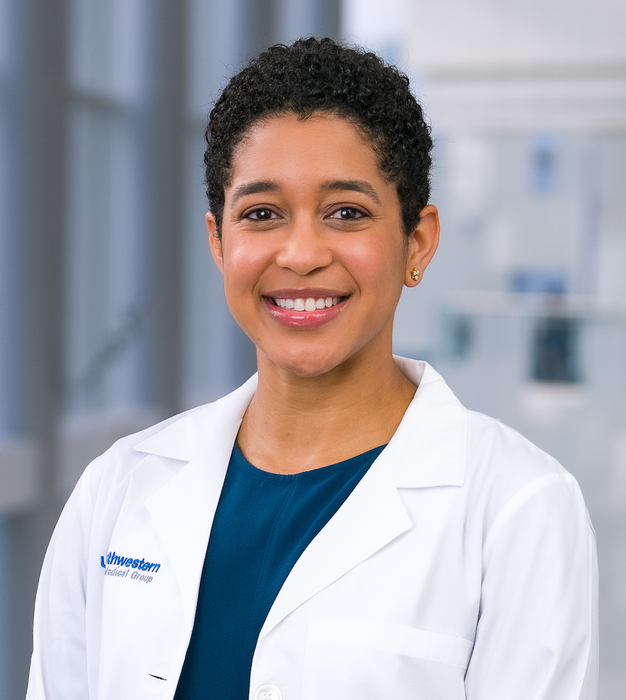
Credit: UT Southwestern Medical Center
A study involving UT Southwestern neurology researchers found lower-quality outcomes for Hispanic ischemic stroke patients who receive endovascular thrombectomies than for comparable white and Black patients.
Outcomes were similar between Black and white ischemic stroke patients who receive endovascular thrombectomies, the researchers determined. Ischemic strokes block or narrow an artery leading to the brain.
The findings, published in the Journal of Stroke and Cerebrovascular Diseases, add to the body of knowledge on improving stroke treatment in underserved groups. Previous studies have identified racial disparities in stroke treatments. This study involving more than 660 patients in the Houston area focused on thrombectomies, the surgical procedure to remove blood clots from arteries and veins.
Ischemic stroke is the fifth leading cause of death in the United States. Of all strokes 87% are ischemic. A 2017 study found that thrombectomy treatment within 24 hours after an acute stroke can result in a 73% lower risk of disability.
“This new study identifies populations that we should focus on in future research to gain a better understanding of the root causes of these disparities. With understanding, targeted interventions can be developed to improve access to the best outcomes for all stroke patients,” said the study’s lead author, Erica Jones, M.D., M.P.H., Assistant Professor of Neurology.
The American Heart Association and the American Stroke Association certified the UT Southwestern is an Advanced Comprehensive Stroke Center, which is part of the Peter O’Donnell Jr. Brain Institute. UT Southwestern has earned High Performing recognition for treatment of strokes from U.S. News & World Report, placing it among the best hospitals for stroke care in the U.S.
Dr. Jones is a member of the Stroke Editor Training Program as well as the American Academy of Neurology, the American Heart Association, and the Society of Vascular and Interventional Neurology.
Her study builds on research Dr. Jones published in 2020, which found that among stroke patients under age 50, there was a higher prevalence of modifiable risk factors among Black and Hispanic patients as well as a decreased likelihood to have good early functional outcomes after ischemic stroke. The modifiable risk factors included diabetes, hypertension, and heart failure.
The study was funded by a National Institutes of Health T32 training grant.
About UT Southwestern Medical Center
UT Southwestern, one of the nation’s premier academic medical centers, integrates pioneering biomedical research with exceptional clinical care and education. The institution’s faculty has received six Nobel Prizes, and includes 25 members of the National Academy of Sciences, 16 members of the National Academy of Medicine, and 14 Howard Hughes Medical Institute Investigators. The full-time faculty of more than 2,800 is responsible for groundbreaking medical advances and is committed to translating science-driven research quickly to new clinical treatments. UT Southwestern physicians provide care in about 80 specialties to more than 117,000 hospitalized patients, more than 360,000 emergency room cases, and oversee nearly 3 million outpatient visits a year.
Journal
Journal of Stroke and Cerebrovascular Diseases