• HOME
  • NEWS
  • EXPLORE
    • CAREER
      • Companies
      • Jobs
    • EVENTS
    • iGEM
      • News
      • Team
    • PHOTOS
    • VIDEO
    • WIKI
  • BLOG
  • COMMUNITY
    • FACEBOOK
    • INSTAGRAM
    • TWITTER
Wednesday, May 13, 2026
BIOENGINEER.ORG
No Result
View All Result
  • Login
  • HOME
  • NEWS
  • EXPLORE
    • CAREER
      • Companies
      • Jobs
        • Lecturer
        • PhD Studentship
        • Postdoc
        • Research Assistant
    • EVENTS
    • iGEM
      • News
      • Team
    • PHOTOS
    • VIDEO
    • WIKI
  • BLOG
  • COMMUNITY
    • FACEBOOK
    • INSTAGRAM
    • TWITTER
  • HOME
  • NEWS
  • EXPLORE
    • CAREER
      • Companies
      • Jobs
        • Lecturer
        • PhD Studentship
        • Postdoc
        • Research Assistant
    • EVENTS
    • iGEM
      • News
      • Team
    • PHOTOS
    • VIDEO
    • WIKI
  • BLOG
  • COMMUNITY
    • FACEBOOK
    • INSTAGRAM
    • TWITTER
No Result
View All Result
Bioengineer.org
No Result
View All Result
Home Headlines

UTSA professor receives grant to study how Lyme disease survives in…

Bioengineer.org by Bioengineer.org
January 30, 2018
in Headlines, Health, Science News
Reading Time: 2 mins read
0
Share on FacebookShare on TwitterShare on LinkedinShare on RedditShare on Telegram
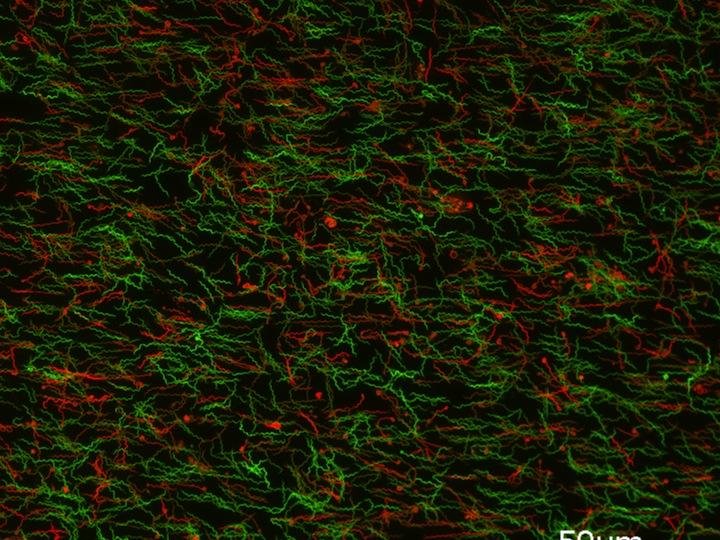
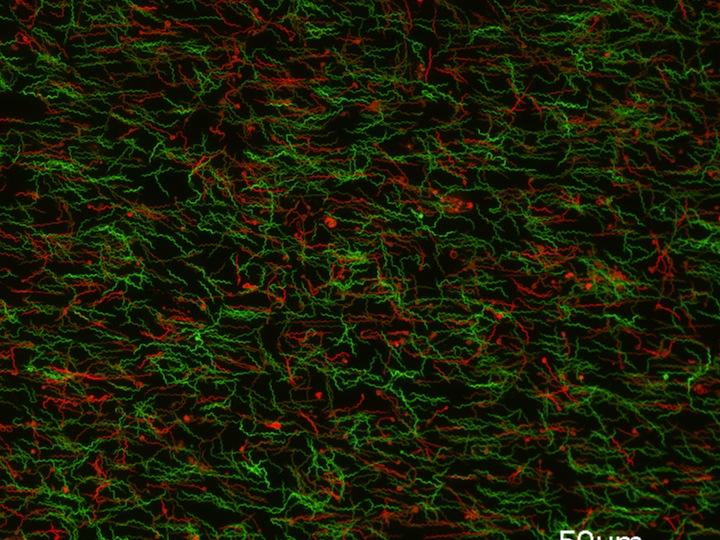
IMAGE

Credit: Janakiram Seshu

Janakiram Seshu, associate professor of biology and associate dean of The Graduate School at The University of Texas at San Antonio (UTSA), has received a $404,250 grant from the National Institute of Allergy and Infectious Disease to support his research to better understand and prevent the spread of Lyme disease.

"Dr. Seshu's top-tier efforts in infectious disease research are a source of immense pride for the UTSA College of Sciences," said George Perry, Semmes Foundation Distinguished University Chair in Neurobiology and dean of the UTSA College of Sciences. "His work will undoubtedly have a great impact on our knowledge of Lyme disease, as well as our efforts to fight it."

"As Lyme disease-carrying ticks increasingly spread to new areas of the country, we need to improve our understanding of the disease. Dr. Seshu's bacteria research will help us limit Lyme disease's spread and allow folks here in Texas and across the nation to live healthier lives," said U.S. Representative Joaquin Castro. "Thanks to UTSA's continued leadership, science thrives in San Antonio."

Seshu, a member of the South Texas Center for Emerging Infectious Diseases, is best known by his peers for his inventive approach to stop the spread of Lyme disease. His work, described in a recent paper, leverages medication that is normally used to lower cholesterol.

"As a member of The South Texas Center for Emerging Infectious Diseases (STCEID), Dr. Seshu's work is always interesting and innovative. With Lyme disease-carrying ticks now present in over half the country, his research and findings will provide new insights in the treatment against the particular bacterium," said Bernard Arulanandam, UTSA interim vice president for research.

The big question at the heart of Seshu's research is how the bacterium that causes Lyme disease, called Borrelia burgdorferi, is able to adapt to its immediate environment inside the tick vector or infected mammalian hosts. Mammalian bodies are very rich in nutrients and fatty acids, which make it very easy for the bacteria to thrive. The tick's body is very different. It's very poor in nutrients. Yet the bacterium adapts very quickly and allows the disease to spread.

To limit the transmission of the disease, Seshu's entire laboratory is focused on understanding how the Lyme disease-carrying bacterium can reinvent itself to live for so long in such a disagreeable environment.

"This award from the National Institute of Allergy and Infectious Disease is an exciting investment to tackle a major debilitating disease in the US," Seshu said. "I'm looking forward to advancing our understanding of this disease, so we can start finding better solutions."

###

Media Contact

Joanna Carver
[email protected]
210-243-4557
@utsa

http://www.utsa.edu

Share12Tweet7Share2ShareShareShare1

Related Posts

Enhanced Cancer Drug Targeting and Efficacy Through Molecular Grappling Hooks — Chemistry

Enhanced Cancer Drug Targeting and Efficacy Through Molecular Grappling Hooks

May 13, 2026

Immune-Remodeling mRNAs Drive Lasting Cancer Immunity

May 13, 2026

Widespread Hidden Mpox Spreads Among MSM

May 13, 2026

Cognitive Decline Linked to Mortality in Older Women

May 13, 2026
Please login to join discussion

POPULAR NEWS

  • Research Indicates Potential Connection Between Prenatal Medication Exposure and Elevated Autism Risk

    842 shares
    Share 337 Tweet 211
  • New Study Reveals Plants Can Detect the Sound of Rain

    728 shares
    Share 290 Tweet 182
  • Salmonella Haem Blocks Macrophages, Boosts Infection

    62 shares
    Share 25 Tweet 16
  • Breastmilk Balances E. coli and Beneficial Bacteria in Infant Gut Microbiomes

    57 shares
    Share 23 Tweet 14

About

We bring you the latest biotechnology news from best research centers and universities around the world. Check our website.

Follow us

Recent News

Enhanced Cancer Drug Targeting and Efficacy Through Molecular Grappling Hooks

Immune-Remodeling mRNAs Drive Lasting Cancer Immunity

Widespread Hidden Mpox Spreads Among MSM

Subscribe to Blog via Email

Enter your email address to subscribe to this blog and receive notifications of new posts by email.

Join 82 other subscribers
  • Contact Us

Bioengineer.org © Copyright 2023 All Rights Reserved.

Welcome Back!

Login to your account below

Forgotten Password?

Retrieve your password

Please enter your username or email address to reset your password.

Log In
No Result
View All Result
  • Homepages
    • Home Page 1
    • Home Page 2
  • News
  • National
  • Business
  • Health
  • Lifestyle
  • Science

Bioengineer.org © Copyright 2023 All Rights Reserved.