


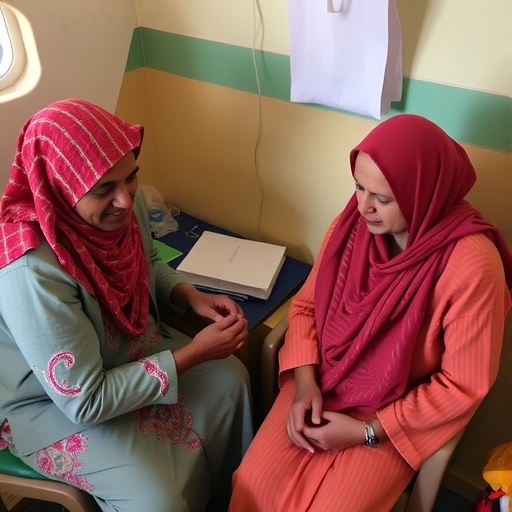
In a groundbreaking study that illuminates the integration of traditional practices within modern medicine, researchers have explored indigenous knowledge and treatment modalities for post-traumatic joint stiffness and soft tissue contracture. This research is set against the backdrop of rural and urban communities in Tigray, Ethiopia, where the resilience and cultural heritage of the local population provide a rich context for understanding these treatment methods. At the heart of their investigation is the use of ischial callosities derived from the baboon species, Papio hamadryas, which has intrigued medical professionals and anthropologists alike.
The study conducted by Kidanu, Hiben, Welegerima, and their colleagues offers a comprehensive look at how local healers harness indigenous knowledge to address common ailments. The participants in this study, representing both urban and rural environments, offered a treasure trove of insights into the efficacy of traditional remedies. The researchers meticulously documented a variety of practices, providing a unique lens through which the integration of indigenous wisdom and contemporary medical principles can be examined.
A significant aspect of the researchers’ findings is the variety of treatment strategies employed by local healers. These strategies not only involve the application of ischial callosities but also encompass a holistic approach that includes lifestyle adjustments, dietary modifications, and herbal therapies. Such an integrative framework underscores the importance of a comprehensive understanding of the patient’s social and health context. The ethnobotanical knowledge prevalent in these communities further enriches the therapeutic landscape, allowing practitioners to blend traditional remedies with modern health practices.
Historically, the presence of chronic musculoskeletal issues like joint stiffness and soft tissue contractures has been a persistent challenge within these communities, largely due to the physical demands of daily life and the potential for trauma. The research highlights how traditional healers have long recognized the benefits of specific animal products, often overlooked by modern science, as potential therapeutic agents. The use of papio ischial callosities symbolizes this connection to nature and existing biological resources, prompting a renewed interest in regenerative medicine derived from ecological sources.
Furthermore, the study carefully analyzes how these treatment methods are perceived in the broader medical community. While there is often skepticism surrounding traditional healing practices, particularly in a scientifically driven field, this research brings compelling evidence to the fore. It advocates for a paradigm shift where complementary and alternative medicine can coexist seamlessly with allopathic medicine, recognizing that the best healthcare outcomes arise from a blend of methodologies that respect both modern science and indigenous wisdom.
The methodological framework employed by the researchers is particularly noteworthy. Through ethnographic interviews, focus groups, and participant observations, the researchers captured the essence of these practices in situ. This qualitative approach facilitated a deeper understanding of the cultural significance attached to these treatments, which cannot simply be parsed into quantifiable data. The narratives surrounding healing rituals, community involvement, and personal testimonies add a rich layer to the analysis that is often neglected in conventional medical studies.
One of the compelling narratives from the field is the profound trust that community members place in their local healers. This trust is built upon generations of familial and communal relationships, where healing is not just an individual act but a collective practice. The healers often engage in community-centric initiatives, where education about health and wellness is disseminated among local populations. This communal aspect not only fosters a supportive environment for healing but also enhances public health outcomes through shared responsibility.
The implications of this research are vast, extending beyond just the treatment of post-traumatic joint stiffness and soft tissue contracture. It serves as a vital reminder of the value of indigenous knowledge systems in a globalized world that often prioritizes high-tech solutions over grassroots healing. By documenting and elucidating these practices, the researchers aim to foster greater appreciation for cultural diversity within the global medical landscape.
Equally important is the future of research in this area. As modern medicine evolves, there is a growing recognition of the need to conduct rigorous studies that validate the efficacy of traditional treatments. The findings from this research can spur further scientific inquiry into the biochemistry of ischial callosities and other organic materials employed in traditional practices. The potential for discovering novel pharmacological compounds through ethnobotanical investigations is an arena ripe for exploration.
Moreover, the study raises questions about healthcare access and equity. As more attention is given to integrative medicine, policymakers and health officials must address how these traditional practices are accepted within healthcare systems. Regulatory frameworks need to evolve to ensure these practices are safely integrated with modern healthcare and that indigenous practitioners are empowered within health systems.
In conclusion, the study by Kidanu and colleagues represents a significant contribution to both scientific literature and cultural appreciation. By bridging the gap between indigenous knowledge and modern medical understanding, their work instigates an essential dialogue regarding the validity and applicability of traditional treatments in contemporary healthcare. As we look towards future healthcare models, the inclusion of diverse epistemologies will be crucial in crafting effective, culturally competent solutions that honor the wisdom of the past while forging pathways for future healing.
In light of these findings, the call for a more integrated approach to healthcare continues to grow. This research not only underscores the importance of indigenous knowledge but also invites us to reconsider our definitions of health, healing, and community well-being. By embracing a more holistic perspective, practitioners and researchers alike can contribute to an enriched healthcare landscape that honors the profound interconnectedness of all living beings.
As discussions surrounding future research avenues continue, this pivotal study could catalyze a movement towards a more inclusive approach to healthcare, one that values and respects the traditional practices that have sustained communities for centuries. Engaging with this research could very well pave the way for innovative therapeutic strategies that broaden the horizons of traditional medicine, ensuring that the wisdom of the past leads us into a healthier future.
Subject of Research: Indigenous knowledge and treatment practices for post-traumatic joint stiffness and soft tissue contracture using ischial callosities of Papio hamadryas in rural and urban communities of Tigray-Ethiopia.
Article Title: Indigenous knowledge and treatment practices for post-traumatic joint stiffness and soft tissue contracture using ischial callosities of Papio hamadryas in rural and urban communities of Tigray-Ethiopia.
Article References:
Kidanu, K.G., Hiben, M.G., Welegerima, K. et al. Indigenous knowledge and treatment practices for post-traumatic joint stiffness and soft tissue contracture using ischial callosities of Papio hamadryas in rural and urban communities of Tigray-Ethiopia.
BMC Complement Med Ther (2025). https://doi.org/10.1186/s12906-025-05206-0
Image Credits: AI Generated
DOI: 10.1186/s12906-025-05206-0
Keywords: indigenous knowledge, traditional healing, Papio hamadryas, joint stiffness, soft tissue contracture, Ethiopia, ethnobotany, holistic health, integrative medicine, community health.
Tags: baboon-derived medical treatmentscultural heritage and healthholistic health approachesIndigenous healing practicesIndigenous knowledge in healthcareintegration of traditional and modern medicinelocal healers’ treatment strategiesPapio hamadryas joint carepost-traumatic joint stiffness treatmentrural health practices in Ethiopiasoft tissue contracture remediestraditional medicine in Tigray



