A multidisciplinary team of researchers from The University of Texas at Arlington has received a $450,000 grant from the U.S. Department of Agriculture (USDA) to create a soil carbon data management platform as part of the farm production and conservation soil carbon data monitoring network.
Credit: UT Arlington
A multidisciplinary team of researchers from The University of Texas at Arlington has received a $450,000 grant from the U.S. Department of Agriculture (USDA) to create a soil carbon data management platform as part of the farm production and conservation soil carbon data monitoring network.
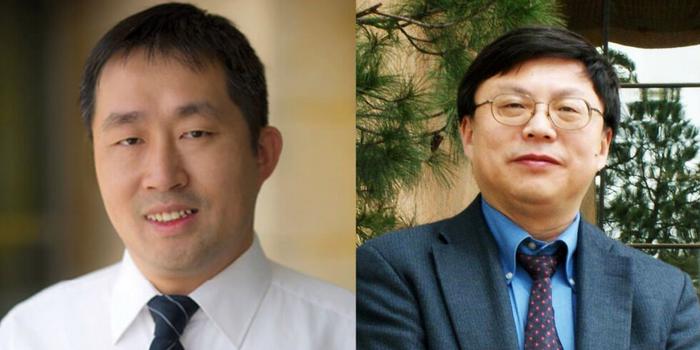
The project, a collaboration with the USDA Agricultural Research Service Dale Bumpers Small Farms Research Center in Booneville, Arkansas, is led by principal investigator Jianzhong Su, professor and chair of the Department of Mathematics at UTA.
Globally, carbon dioxide emissions are the largest contributor to climate change. According to 2020 USDA data, farms are responsible for about 11% of all carbon emissions in the U.S.
Farms can also be part of the solution, Su said. Good management practice can help to increase carbon storage in the soil.
Small changes to average temperatures can have serious impacts on crop production, livestock populations and land use. Additionally, the wild swings of severe weather caused by climate change can lead to serious droughts and/or flooding, with ripple effects on our nation’s food sources. Because of this, researchers are eager to learn and track carbon emissions from farms to find ways to maximize farm output and carbon storage in the soil, while minimizing their carbon emissions.
“This project from the USDA will allow us to develop a consistent data management platform for soil carbon data as part of the Farm Production and Conservation Soil Carbon Monitoring Network,” Su said. “We plan to use UTA’s artificial intelligence and machine learning expertise to develop tools to identify environmental factors affecting forage or crop production. The end product will allow farmers to maximize productivity and ecosystem benefits in diverse environments.”
“We will be creating a web-based database dashboard to develop statistical procedures and frameworks,” said Chengkai Li, co-principal investigator and professor of computer science and engineering. “Through this data hub, communities will be able easily access historical regional information that can be used to make better farm-level decisions.”
A multidisciplinary team of researchers from The University of Texas at Arlington has received a $450,000 grant from the U.S. Department of Agriculture (USDA) to create a soil carbon data management platform as part of the farm production and conservation soil carbon data monitoring network.
The project, a collaboration with the USDA Agricultural Research Service Dale Bumpers Small Farms Research Center in Booneville, Arkansas, is led by principal investigator Jianzhong Su, professor and chair of the Department of Mathematics at UTA.
Globally, carbon dioxide emissions are the largest contributor to climate change. According to 2020 USDA data, farms are responsible for about 11% of all carbon emissions in the U.S.
Farms can also be part of the solution, Su said. Good management practice can help to increase carbon storage in the soil.
Small changes to average temperatures can have serious impacts on crop production, livestock populations and land use. Additionally, the wild swings of severe weather caused by climate change can lead to serious droughts and/or flooding, with ripple effects on our nation’s food sources. Because of this, researchers are eager to learn and track carbon emissions from farms to find ways to maximize farm output and carbon storage in the soil, while minimizing their carbon emissions.
“This project from the USDA will allow us to develop a consistent data management platform for soil carbon data as part of the Farm Production and Conservation Soil Carbon Monitoring Network,” Su said. “We plan to use UTA’s artificial intelligence and machine learning expertise to develop tools to identify environmental factors affecting forage or crop production. The end product will allow farmers to maximize productivity and ecosystem benefits in diverse environments.”
“We will be creating a web-based database dashboard to develop statistical procedures and frameworks,” said Chengkai Li, co-principal investigator and professor of computer science and engineering. “Through this data hub, communities will be able easily access historical regional information that can be used to make better farm-level decisions.”
A multidisciplinary team of researchers from The University of Texas at Arlington has received a $450,000 grant from the U.S. Department of Agriculture (USDA) to create a soil carbon data management platform as part of the farm production and conservation soil carbon data monitoring network.
The project, a collaboration with the USDA Agricultural Research Service Dale Bumpers Small Farms Research Center in Booneville, Arkansas, is led by principal investigator Jianzhong Su, professor and chair of the Department of Mathematics at UTA.
Globally, carbon dioxide emissions are the largest contributor to climate change. According to 2020 USDA data, farms are responsible for about 11% of all carbon emissions in the U.S.
Farms can also be part of the solution, Su said. Good management practice can help to increase carbon storage in the soil.
Small changes to average temperatures can have serious impacts on crop production, livestock populations and land use. Additionally, the wild swings of severe weather caused by climate change can lead to serious droughts and/or flooding, with ripple effects on our nation’s food sources. Because of this, researchers are eager to learn and track carbon emissions from farms to find ways to maximize farm output and carbon storage in the soil, while minimizing their carbon emissions.
“This project from the USDA will allow us to develop a consistent data management platform for soil carbon data as part of the Farm Production and Conservation Soil Carbon Monitoring Network,” Su said. “We plan to use UTA’s artificial intelligence and machine learning expertise to develop tools to identify environmental factors affecting forage or crop production. The end product will allow farmers to maximize productivity and ecosystem benefits in diverse environments.”
“We will be creating a web-based database dashboard to develop statistical procedures and frameworks,” said Chengkai Li, co-principal investigator and professor of computer science and engineering. “Through this data hub, communities will be able easily access historical regional information that can be used to make better farm-level decisions.”
A multidisciplinary team of researchers from The University of Texas at Arlington has received a $450,000 grant from the U.S. Department of Agriculture (USDA) to create a soil carbon data management platform as part of the farm production and conservation soil carbon data monitoring network.
The project, a collaboration with the USDA Agricultural Research Service Dale Bumpers Small Farms Research Center in Booneville, Arkansas, is led by principal investigator Jianzhong Su, professor and chair of the Department of Mathematics at UTA.
Globally, carbon dioxide emissions are the largest contributor to climate change. According to 2020 USDA data, farms are responsible for about 11% of all carbon emissions in the U.S.
Farms can also be part of the solution, Su said. Good management practice can help to increase carbon storage in the soil.
Small changes to average temperatures can have serious impacts on crop production, livestock populations and land use. Additionally, the wild swings of severe weather caused by climate change can lead to serious droughts and/or flooding, with ripple effects on our nation’s food sources. Because of this, researchers are eager to learn and track carbon emissions from farms to find ways to maximize farm output and carbon storage in the soil, while minimizing their carbon emissions.
“This project from the USDA will allow us to develop a consistent data management platform for soil carbon data as part of the Farm Production and Conservation Soil Carbon Monitoring Network,” Su said. “We plan to use UTA’s artificial intelligence and machine learning expertise to develop tools to identify environmental factors affecting forage or crop production. The end product will allow farmers to maximize productivity and ecosystem benefits in diverse environments.”
“We will be creating a web-based database dashboard to develop statistical procedures and frameworks,” said Chengkai Li, co-principal investigator and professor of computer science and engineering. “Through this data hub, communities will be able easily access historical regional information that can be used to make better farm-level decisions.”
A multidisciplinary team of researchers from The University of Texas at Arlington has received a $450,000 grant from the U.S. Department of Agriculture (USDA) to create a soil carbon data management platform as part of the farm production and conservation soil carbon data monitoring network.
The project, a collaboration with the USDA Agricultural Research Service Dale Bumpers Small Farms Research Center in Booneville, Arkansas, is led by principal investigator Jianzhong Su, professor and chair of the Department of Mathematics at UTA.
Globally, carbon dioxide emissions are the largest contributor to climate change. According to 2020 USDA data, farms are responsible for about 11% of all carbon emissions in the U.S.
Farms can also be part of the solution, Su said. Good management practice can help to increase carbon storage in the soil.
Small changes to average temperatures can have serious impacts on crop production, livestock populations and land use. Additionally, the wild swings of severe weather caused by climate change can lead to serious droughts and/or flooding, with ripple effects on our nation’s food sources. Because of this, researchers are eager to learn and track carbon emissions from farms to find ways to maximize farm output and carbon storage in the soil, while minimizing their carbon emissions.
“This project from the USDA will allow us to develop a consistent data management platform for soil carbon data as part of the Farm Production and Conservation Soil Carbon Monitoring Network,” Su said. “We plan to use UTA’s artificial intelligence and machine learning expertise to develop tools to identify environmental factors affecting forage or crop production. The end product will allow farmers to maximize productivity and ecosystem benefits in diverse environments.”
“We will be creating a web-based database dashboard to develop statistical procedures and frameworks,” said Chengkai Li, co-principal investigator and professor of computer science and engineering. “Through this data hub, communities will be able easily access historical regional information that can be used to make better farm-level decisions.”
A multidisciplinary team of researchers from The University of Texas at Arlington has received a $450,000 grant from the U.S. Department of Agriculture (USDA) to create a soil carbon data management platform as part of the farm production and conservation soil carbon data monitoring network.
The project, a collaboration with the USDA Agricultural Research Service Dale Bumpers Small Farms Research Center in Booneville, Arkansas, is led by principal investigator Jianzhong Su, professor and chair of the Department of Mathematics at UTA.
Globally, carbon dioxide emissions are the largest contributor to climate change. According to 2020 USDA data, farms are responsible for about 11% of all carbon emissions in the U.S.
Farms can also be part of the solution, Su said. Good management practice can help to increase carbon storage in the soil.
Small changes to average temperatures can have serious impacts on crop production, livestock populations and land use. Additionally, the wild swings of severe weather caused by climate change can lead to serious droughts and/or flooding, with ripple effects on our nation’s food sources. Because of this, researchers are eager to learn and track carbon emissions from farms to find ways to maximize farm output and carbon storage in the soil, while minimizing their carbon emissions.
“This project from the USDA will allow us to develop a consistent data management platform for soil carbon data as part of the Farm Production and Conservation Soil Carbon Monitoring Network,” Su said. “We plan to use UTA’s artificial intelligence and machine learning expertise to develop tools to identify environmental factors affecting forage or crop production. The end product will allow farmers to maximize productivity and ecosystem benefits in diverse environments.”
“We will be creating a web-based database dashboard to develop statistical procedures and frameworks,” said Chengkai Li, co-principal investigator and professor of computer science and engineering. “Through this data hub, communities will be able easily access historical regional information that can be used to make better farm-level decisions.”
A multidisciplinary team of researchers from The University of Texas at Arlington has received a $450,000 grant from the U.S. Department of Agriculture (USDA) to create a soil carbon data management platform as part of the farm production and conservation soil carbon data monitoring network.
The project, a collaboration with the USDA Agricultural Research Service Dale Bumpers Small Farms Research Center in Booneville, Arkansas, is led by principal investigator Jianzhong Su, professor and chair of the Department of Mathematics at UTA.
Globally, carbon dioxide emissions are the largest contributor to climate change. According to 2020 USDA data, farms are responsible for about 11% of all carbon emissions in the U.S.
Farms can also be part of the solution, Su said. Good management practice can help to increase carbon storage in the soil.
Small changes to average temperatures can have serious impacts on crop production, livestock populations and land use. Additionally, the wild swings of severe weather caused by climate change can lead to serious droughts and/or flooding, with ripple effects on our nation’s food sources. Because of this, researchers are eager to learn and track carbon emissions from farms to find ways to maximize farm output and carbon storage in the soil, while minimizing their carbon emissions.
“This project from the USDA will allow us to develop a consistent data management platform for soil carbon data as part of the Farm Production and Conservation Soil Carbon Monitoring Network,” Su said. “We plan to use UTA’s artificial intelligence and machine learning expertise to develop tools to identify environmental factors affecting forage or crop production. The end product will allow farmers to maximize productivity and ecosystem benefits in diverse environments.”
“We will be creating a web-based database dashboard to develop statistical procedures and frameworks,” said Chengkai Li, co-principal investigator and professor of computer science and engineering. “Through this data hub, communities will be able easily access historical regional information that can be used to make better farm-level decisions.”
A multidisciplinary team of researchers from The University of Texas at Arlington has received a $450,000 grant from the U.S. Department of Agriculture (USDA) to create a soil carbon data management platform as part of the farm production and conservation soil carbon data monitoring network.
The project, a collaboration with the USDA Agricultural Research Service Dale Bumpers Small Farms Research Center in Booneville, Arkansas, is led by principal investigator Jianzhong Su, professor and chair of the Department of Mathematics at UTA.
Globally, carbon dioxide emissions are the largest contributor to climate change. According to 2020 USDA data, farms are responsible for about 11% of all carbon emissions in the U.S.
Farms can also be part of the solution, Su said. Good management practice can help to increase carbon storage in the soil.
Small changes to average temperatures can have serious impacts on crop production, livestock populations and land use. Additionally, the wild swings of severe weather caused by climate change can lead to serious droughts and/or flooding, with ripple effects on our nation’s food sources. Because of this, researchers are eager to learn and track carbon emissions from farms to find ways to maximize farm output and carbon storage in the soil, while minimizing their carbon emissions.
“This project from the USDA will allow us to develop a consistent data management platform for soil carbon data as part of the Farm Production and Conservation Soil Carbon Monitoring Network,” Su said. “We plan to use UTA’s artificial intelligence and machine learning expertise to develop tools to identify environmental factors affecting forage or crop production. The end product will allow farmers to maximize productivity and ecosystem benefits in diverse environments.”
“We will be creating a web-based database dashboard to develop statistical procedures and frameworks,” said Chengkai Li, co-principal investigator and professor of computer science and engineering. “Through this data hub, communities will be able easily access historical regional information that can be used to make better farm-level decisions.”