• HOME
  • NEWS
  • EXPLORE
    • CAREER
      • Companies
      • Jobs
    • EVENTS
    • iGEM
      • News
      • Team
    • PHOTOS
    • VIDEO
    • WIKI
  • BLOG
  • COMMUNITY
    • FACEBOOK
    • INSTAGRAM
    • TWITTER
Thursday, May 21, 2026
BIOENGINEER.ORG
No Result
View All Result
  • Login
  • HOME
  • NEWS
  • EXPLORE
    • CAREER
      • Companies
      • Jobs
        • Lecturer
        • PhD Studentship
        • Postdoc
        • Research Assistant
    • EVENTS
    • iGEM
      • News
      • Team
    • PHOTOS
    • VIDEO
    • WIKI
  • BLOG
  • COMMUNITY
    • FACEBOOK
    • INSTAGRAM
    • TWITTER
  • HOME
  • NEWS
  • EXPLORE
    • CAREER
      • Companies
      • Jobs
        • Lecturer
        • PhD Studentship
        • Postdoc
        • Research Assistant
    • EVENTS
    • iGEM
      • News
      • Team
    • PHOTOS
    • VIDEO
    • WIKI
  • BLOG
  • COMMUNITY
    • FACEBOOK
    • INSTAGRAM
    • TWITTER
No Result
View All Result
Bioengineer.org
No Result
View All Result
Home NEWS Science News Biology

Using urban pigeons to monitor lead pollution

Bioengineer by Bioengineer
February 9, 2018
in Biology
Reading Time: 2 mins read
0
Share on FacebookShare on TwitterShare on LinkedinShare on RedditShare on Telegram
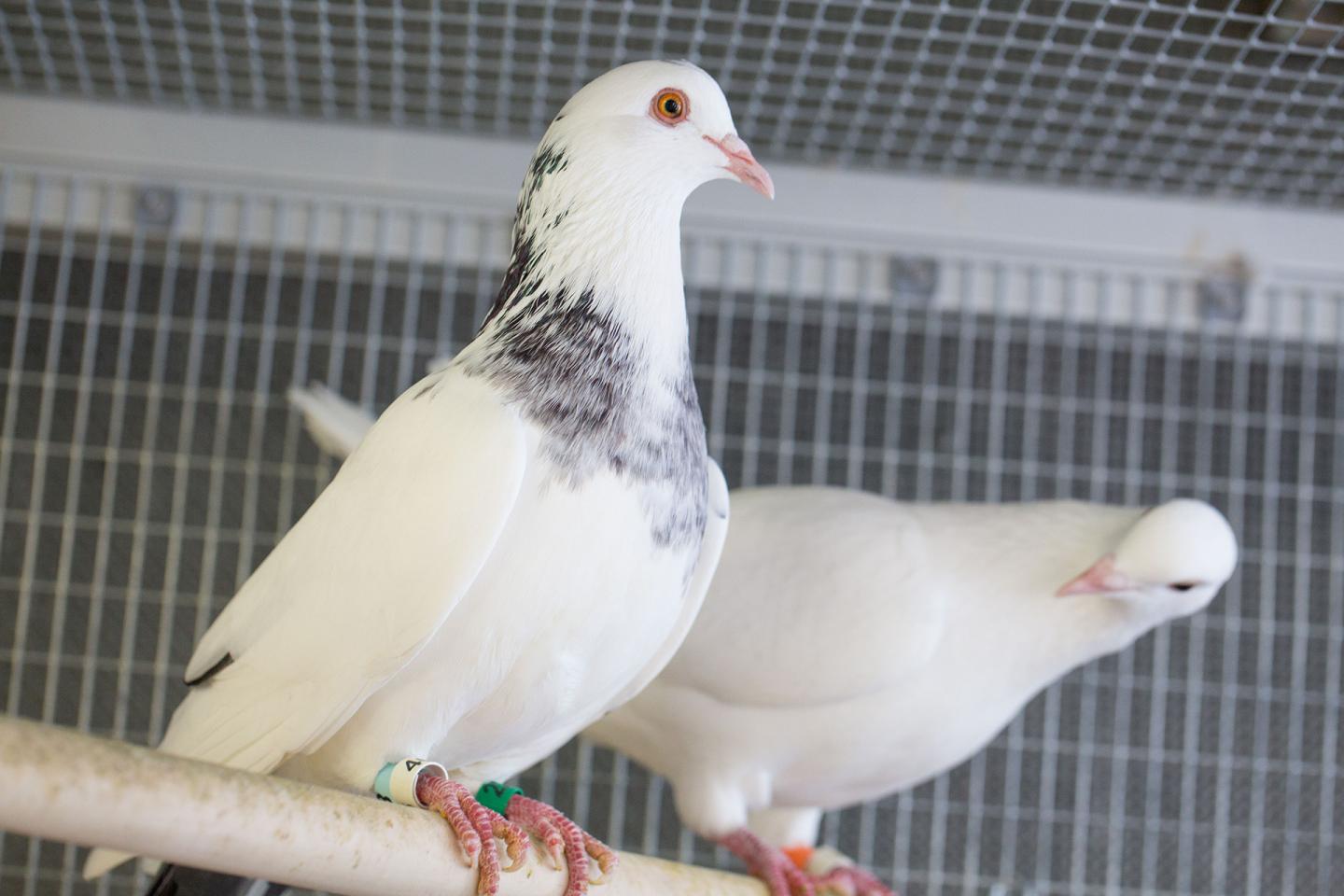
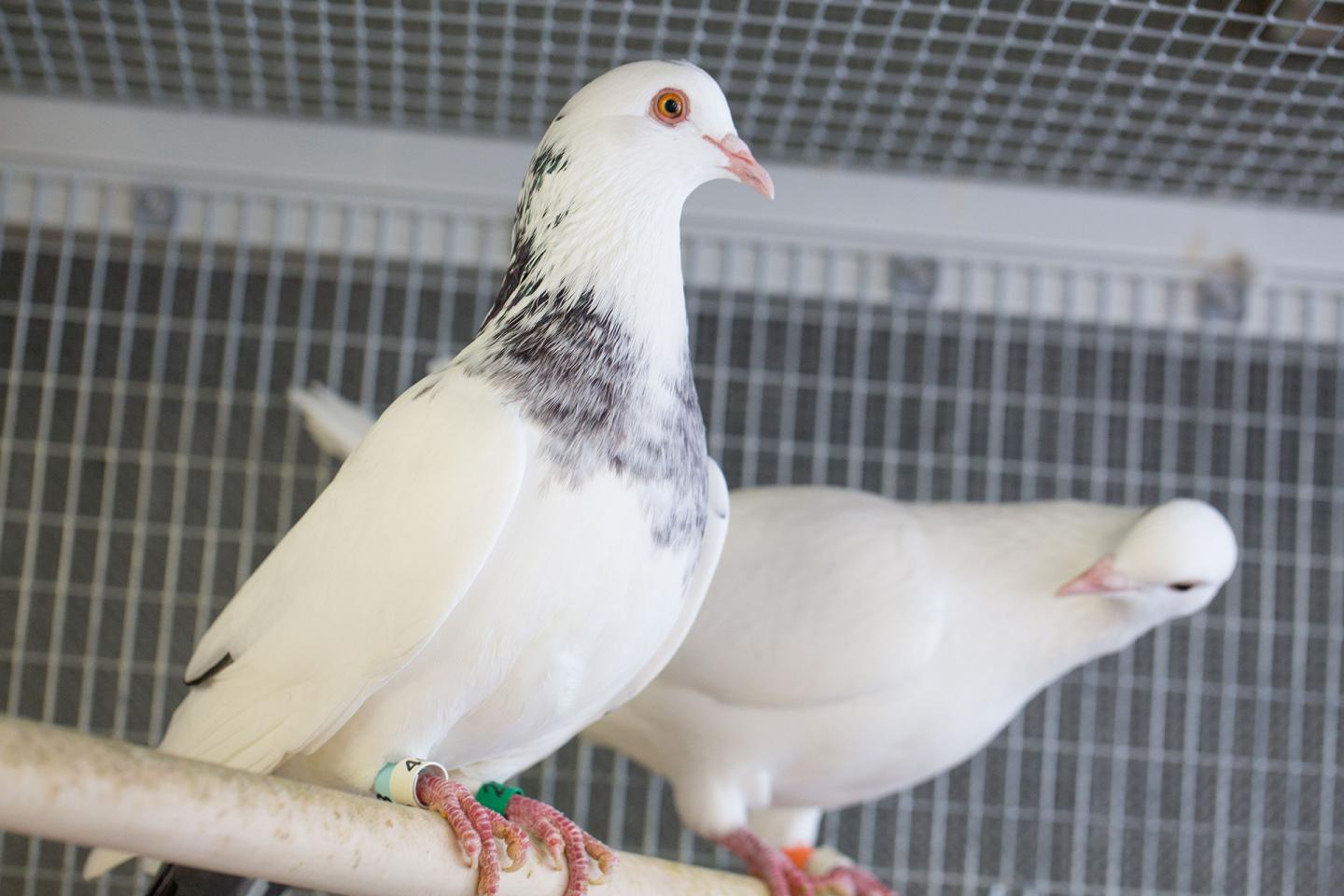
IMAGE

Credit: David Slipher, UC Davis College of Biological Sciences

Tom Lehrer sang about poisoning them, but those pigeons in the park might be a good way to detect lead and other toxic compounds in cities. A new study of pigeons in New York City shows that levels of lead in the birds track with neighborhoods where children show high levels of lead exposure.

"Pigeons breathe the same air, walk the same sidewalks, and often eat the same food as we do. What if we could use them to monitor possible dangers to our health in the environment, like lead pollution?" said Rebecca Calisi, now an assistant professor in the Department of Neurobiology, Physiology and Behavior at the University of California, Davis, who conducted the study with undergraduate student Fayme Cai while at Barnard College, Columbia University. The work is published July 18 in the journal Chemosphere.

Decades after it was banned from paint and gasoline, lead pollution remains a significant concern. The New York City Department of Health and Mental Hygiene carries out routine screening of children in areas of the city identified as hot spots for lead contamination.

Calisi and Cai looked at blood samples collected from 825 sick or injured pigeons brought to the city's Wild Bird Fund rehabilitation center from 2010 to 2015. Each was identified by the zip code where it was found.

Lead levels rise in summer

They found that the pigeons' blood lead levels rose in summer, as they do in samples from children. Zip codes with high lead levels in pigeons also had some of the highest rates of raised levels of lead in children.

While pigeons have been used to monitor various types of pollution in some European cities, to her knowledge no one has previously correlated lead exposure in birds with exposure rates in children, Calisi said.

"This is a powerful example of how we can use pigeons to monitor the location and prevalence of pollutants," Calisi said. "We can use these 'rats with wings' — which are anything but — to monitor dangers to human health."

Urban pigeons are particularly suitable for this work because they don't fly far, typically spending their lives within an area of a few blocks, she said.

The sources of urban lead pollution aren't clear. Lead-based paint can still be found in old buildings, but pigeons don't spend much time indoors. Roads and especially construction sites are likely sources of particulate and airborne lead, and pigeons do pick up roadside gravel to aid in digestion. Children are also exposed to these sources of lead and can bring residues into their households by regular foot traffic.

Now at UC Davis, Calisi is expanding the work to look at other pollutants, such as other heavy metals, pesticides and fire retardants, in California cities.

Calisi was recently awarded the title of Environmental Health Science Scholar by the UC Davis NIEHS (National Institute for Environmental Health Sciences) Center. She is also a CAMPOS (Center for Advancing Multicultural Perspectives on Science) scholar in the UC Davis ADVANCE program.

###

Media Contact

Andy Fell
[email protected]
530-752-4533
@ucdavisnews

http://www.ucdavis.edu

Share13Tweet8Share2ShareShareShare2

Related Posts

Early Delivery Improves Outcomes for Mothers and Babies in Hypertensive Pregnancies — Biology

Early Delivery Improves Outcomes for Mothers and Babies in Hypertensive Pregnancies

May 21, 2026
How Atlantic Herring Rewired Their Reproductive Strategy to Thrive in Changing Oceans — Biology

How Atlantic Herring Rewired Their Reproductive Strategy to Thrive in Changing Oceans

May 20, 2026

Study Finds Young Fraser River Chinook Salmon Swimming in Chemical Mixture

May 20, 2026

Thousands of UK Beekeepers Contribute Honey to Advance Environmental Science

May 20, 2026
Please login to join discussion

POPULAR NEWS

  • blank

    New Study Reveals Plants Can Detect the Sound of Rain

    733 shares
    Share 292 Tweet 183
  • ESMO 2025: mRNA COVID Vaccines Enhance Efficacy of Cancer Immunotherapy

    304 shares
    Share 122 Tweet 76
  • Research Indicates Potential Connection Between Prenatal Medication Exposure and Elevated Autism Risk

    846 shares
    Share 338 Tweet 212
  • Breastmilk Balances E. coli and Beneficial Bacteria in Infant Gut Microbiomes

    58 shares
    Share 23 Tweet 15

About

We bring you the latest biotechnology news from best research centers and universities around the world. Check our website.

Follow us

Recent News

Innovative Reusable Brick Walls Revolutionize Construction Industry

Nonlinear Atomic Tunneling Enhanced by Bright Squeezed Vacuum

Label-Free Super-Resolution Imaging of Live Cells

Subscribe to Blog via Email

Enter your email address to subscribe to this blog and receive notifications of new posts by email.

Join 82 other subscribers
  • Contact Us

Bioengineer.org © Copyright 2023 All Rights Reserved.

Welcome Back!

Login to your account below

Forgotten Password?

Retrieve your password

Please enter your username or email address to reset your password.

Log In
No Result
View All Result
  • Homepages
    • Home Page 1
    • Home Page 2
  • News
  • National
  • Business
  • Health
  • Lifestyle
  • Science

Bioengineer.org © Copyright 2023 All Rights Reserved.