• HOME
  • NEWS
  • EXPLORE
    • CAREER
      • Companies
      • Jobs
    • EVENTS
    • iGEM
      • News
      • Team
    • PHOTOS
    • VIDEO
    • WIKI
  • BLOG
  • COMMUNITY
    • FACEBOOK
    • INSTAGRAM
    • TWITTER
Monday, July 27, 2026
BIOENGINEER.ORG
No Result
View All Result
  • Login
  • HOME
  • NEWS
  • EXPLORE
    • CAREER
      • Companies
      • Jobs
        • Lecturer
        • PhD Studentship
        • Postdoc
        • Research Assistant
    • EVENTS
    • iGEM
      • News
      • Team
    • PHOTOS
    • VIDEO
    • WIKI
  • BLOG
  • COMMUNITY
    • FACEBOOK
    • INSTAGRAM
    • TWITTER
  • HOME
  • NEWS
  • EXPLORE
    • CAREER
      • Companies
      • Jobs
        • Lecturer
        • PhD Studentship
        • Postdoc
        • Research Assistant
    • EVENTS
    • iGEM
      • News
      • Team
    • PHOTOS
    • VIDEO
    • WIKI
  • BLOG
  • COMMUNITY
    • FACEBOOK
    • INSTAGRAM
    • TWITTER
No Result
View All Result
Bioengineer.org
No Result
View All Result
Home NEWS Science News Biology

Urban hedgehogs — more at home in the city than you thought

Bioengineer by Bioengineer
January 24, 2018
in Biology, Science News
Reading Time: 2 mins read
0
Share on FacebookShare on TwitterShare on LinkedinShare on RedditShare on Telegram
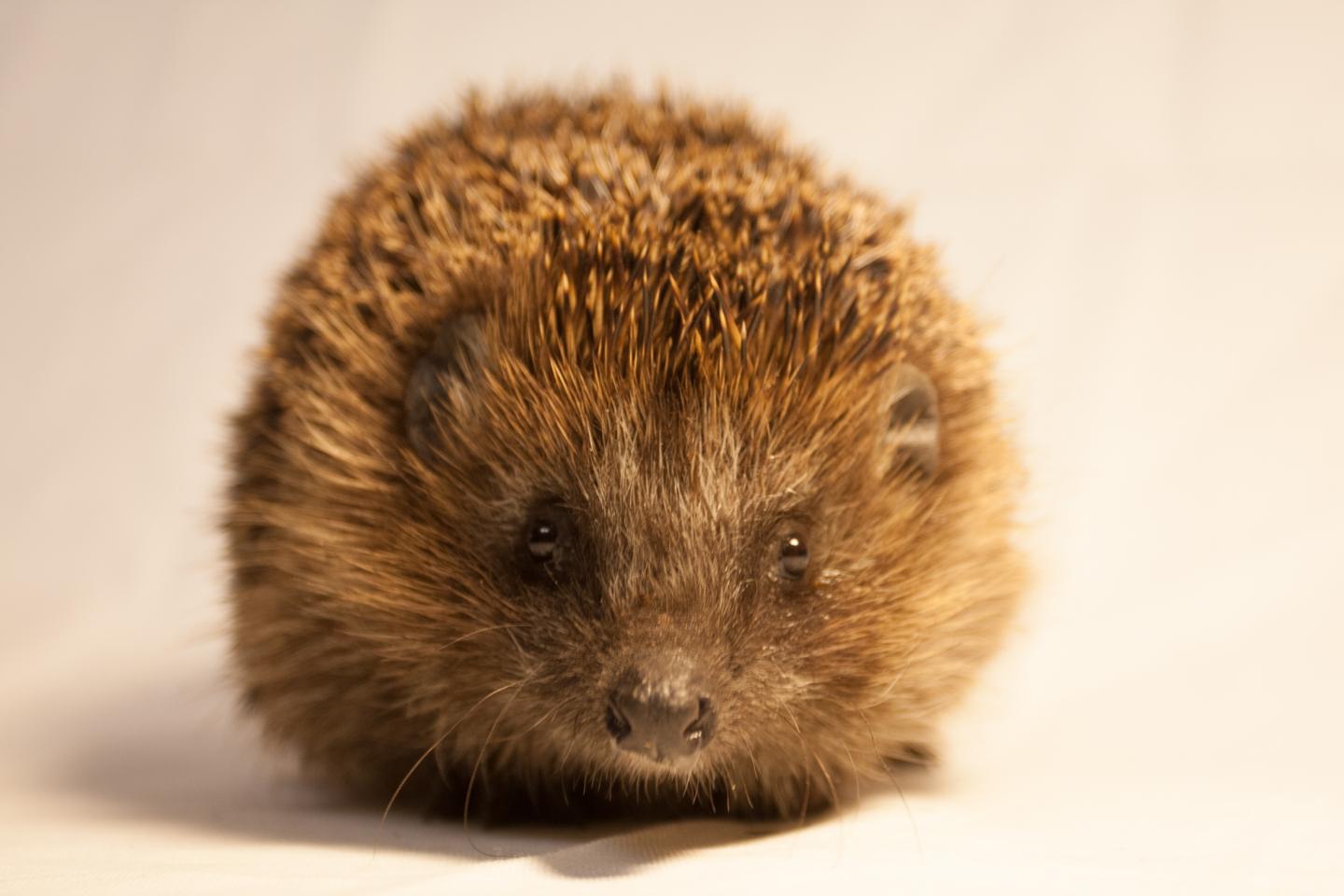
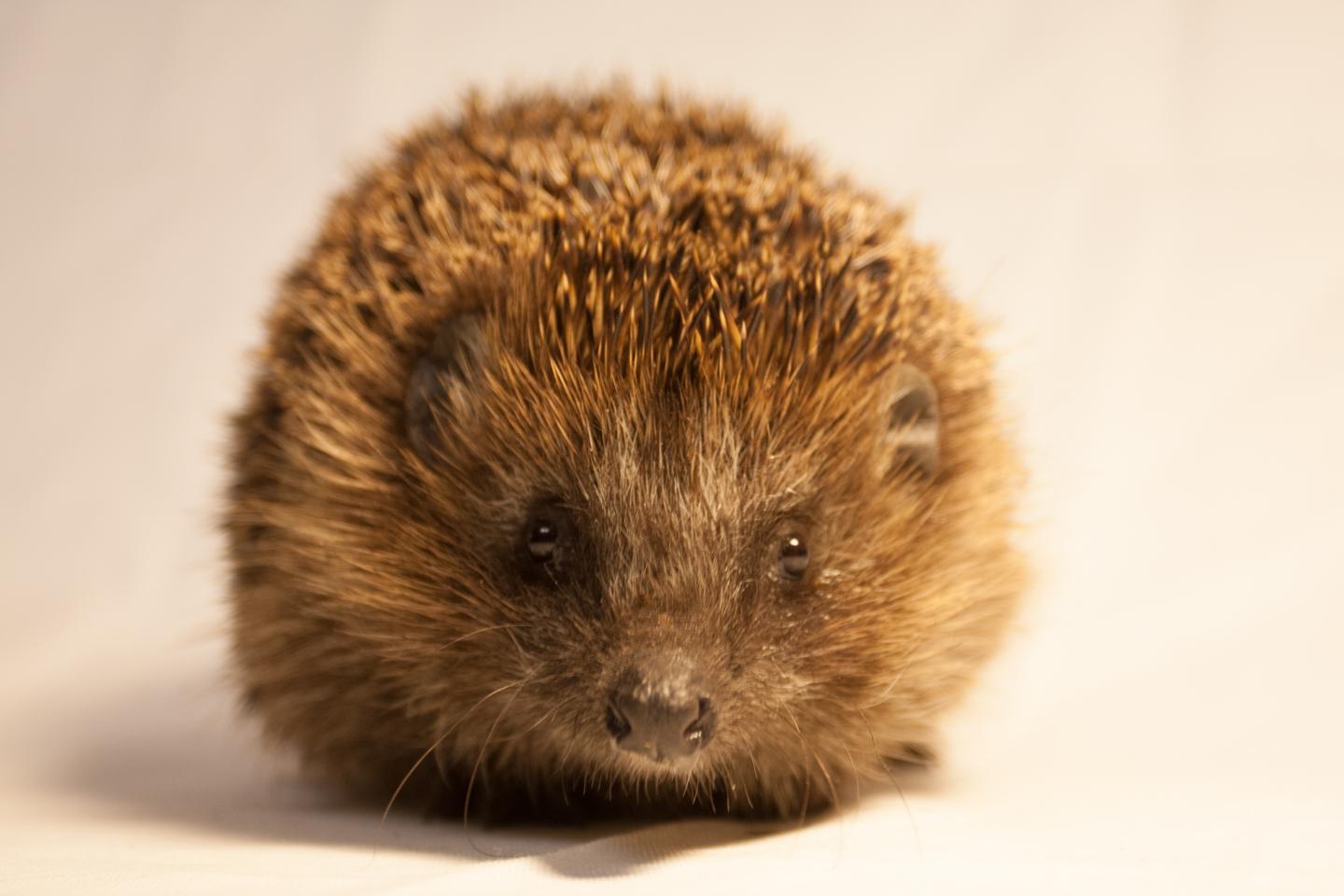
IMAGE

Credit: James M. Turner

A species that is 15 million years old, hedgehogs have survived all kinds of environmental changes over the years, including urbanisation. Surprisingly, cities have often been found to have higher hedgehog populations than rural areas. Understanding why this is could help us to protect them in the future.

Researchers at the University of Hamburg fitted free-ranging hedgehogs with temperature-sensitive transmitters to investigate what physiological factors allow them to thrive in urban areas. "These specialised transmitters allowed us to monitor hibernation patterns and nest site use in winter, as well as activity and home range size in summer", says lead researcher Dr Lisa Warnecke. The study sites included areas with both major, busy roads and small, quiet side streets: all the elements of a typical city design. The researchers also studied hedgehogs being cared for by a local hedgehog sanctuary to determine the main heath issues affecting city-dwelling hedgehogs.

The results showed that urban hedgehogs can be surprisingly flexible: "We found that urban hedgehogs had much smaller nightly ranging areas than their rural counterparts – 5 hectares verses 50 – and that they adjusted their activity to levels of human disturbance", says Dr Warnecke. The hedgehogs mainly stayed in private gardens during the day but around midnight, when the number of humans and pets in local parks decreased, they came out to forage and look for mates.

On the other hand, the urban hedgehogs showed similar hibernation patterns to rural populations. Over the winter, hedgehogs enter a physiological state called torpor, where their metabolic rate and body temperature decrease significantly in order to save energy. "We were surprised to find that city hedgehogs showed hibernation patterns very similar to rural or captive populations in terms of the depth of torpor, the frequency with which they rewarmed and the overall duration of their hibernation. This was despite city hedgehogs often nesting next to busy roads and having potential food sources available throughout winter – such as food scraps or cat food on private terraces". This makes it imperative that urban hedgehogs can access gardens or parks with enough ground cover to allow them to be undisturbed for the entire hibernation season. "Gardens and public parks are very important for city hedgehogs", says Dr Warnecke. "They need gardens with natural vegetation and public parks less immaculately pruned, with plenty of natural, bushy areas." City dwellers should also take care to avoid disturbing nesting hedgehogs and to keep their gardens free of anything that could do them harm. "Our work with the hedgehog care station showed that the main problems were injuries caused by fences, plant netting or gardening tools, and sickness from ingesting rat poison" says Dr Warnecke.

###

Media Contact

Caroline Wood
[email protected]

http://www.sebiology.org

Share12Tweet8Share2ShareShareShare2

Related Posts

Validation of NEO-READY model for predicting discharge dates in preterm NICU patients

July 27, 2026

AI Detection Model Uses Noncontact Multimodal Data for Early Parkinson’s Diagnosis

July 27, 2026

Cocrystal Enables Fixed-Dose Empagliflozin and Metformin Bilayer for Bioequivalence

July 27, 2026

KAIST Develops Antibodies With Cellular “Eyes” to Detect Cancer Mutations

July 27, 2026
Please login to join discussion

POPULAR NEWS

  • Validation of NEO-READY model for predicting discharge dates in preterm NICU patients

    29 shares
    Share 12 Tweet 7
  • AI Detection Model Uses Noncontact Multimodal Data for Early Parkinson’s Diagnosis

    29 shares
    Share 12 Tweet 7
  • Cocrystal Enables Fixed-Dose Empagliflozin and Metformin Bilayer for Bioequivalence

    29 shares
    Share 12 Tweet 7
  • KAIST Develops Antibodies With Cellular “Eyes” to Detect Cancer Mutations

    29 shares
    Share 12 Tweet 7

About

We bring you the latest biotechnology news from best research centers and universities around the world. Check our website.

Follow us

Recent News

Validation of NEO-READY model for predicting discharge dates in preterm NICU patients

AI Detection Model Uses Noncontact Multimodal Data for Early Parkinson’s Diagnosis

Cocrystal Enables Fixed-Dose Empagliflozin and Metformin Bilayer for Bioequivalence

Subscribe to Blog via Email

Enter your email address to subscribe to this blog and receive notifications of new posts by email.

Join 85 other subscribers
  • Contact Us

Bioengineer.org © Copyright 2023 All Rights Reserved.

Welcome Back!

Login to your account below

Forgotten Password?

Retrieve your password

Please enter your username or email address to reset your password.

Log In
No Result
View All Result
  • Homepages
    • Home Page 1
    • Home Page 2
  • News
  • National
  • Business
  • Health
  • Lifestyle
  • Science

Bioengineer.org © Copyright 2023 All Rights Reserved.