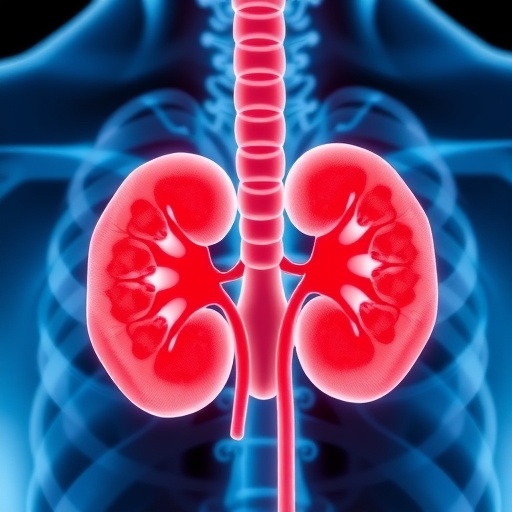
In a groundbreaking advance in pediatric oncology, researchers at the University of Queensland have unveiled an unprecedented spatial map that elucidates the complex biological architecture of neuroblastoma, a lethal childhood cancer predominantly affecting children under five years old. This pioneering work reveals sophisticated defense mechanisms employed by neuroblastoma tumors, such as protective ‘shields’ and immune cell ‘bodyguards’, which collectively help the tumor evade destruction. Such insights are poised to revolutionize therapeutic strategies against this formidable disease by pinpointing vulnerabilities that were previously concealed within the tumor microenvironment.
Neuroblastoma represents one of the most challenging cancers in pediatric medicine due to its aggressive nature and high mortality rate, accounting for about 10% of all childhood cancer deaths. Traditional treatment modalities, including intensive chemotherapy and radiation, have yielded limited improvements in outcomes, particularly in high-risk cases where five-year survival rates remain dismally low. The study led by Associate Professor Fernando Guimaraes leverages cutting-edge spatial multi-omics technology to dissect the tumor’s cellular and molecular landscape at an unprecedented resolution, marking a significant leap from conventional genomic analyses.
Spatial multi-omics integrates spatial transcriptomics and proteomics, enabling researchers to map gene expression and protein localization within intact tissue architecture. By applying this technology to tumor samples from 27 pediatric patients, Guimaraes’ team constructed high-resolution two-dimensional maps that reveal the spatial relationships among different cell types, including malignant neuroblastoma cells, immune infiltrates, supportive stromal cells, and the vascular network. Such a comprehensive landscape provides critical context that traditional bulk sequencing methods cannot capture, akin to seeing the layout of a city rather than just a census list of its inhabitants.
This metaphor of a “satellite map” of the tumor microenvironment unlocked pivotal insights into the interplay between cancer cells and their surrounding milieu. Notably, the study found that certain immune cells, typically tasked with attacking tumors, paradoxically act as protectors or ‘bodyguards,’ fostering tumor survival rather than elimination. These immune cells contribute to a microenvironment that supports tumor growth and shields cancer cells from immune destruction, complicating the body’s natural defenses against malignancy.
At the heart of the tumor’s defense arsenal is a molecular ‘shield’ that thwarts a specialized form of programmed cell death known as ferroptosis. Ferroptosis is driven by the lethal accumulation of toxic lipid peroxides within cancer cells, a process that would typically trigger their demise. The study identifies glutathione peroxidase 4 (GPX4), a crucial enzyme that neutralizes these harmful lipid peroxides, as the protector of tumor cell survival. High-risk neuroblastoma tumors exhibit upregulated GPX4 activity, effectively subverting ferroptosis and enabling cancer cells to persist despite metabolic stress.
Experimental inhibition of GPX4 in laboratory models resulted in selective cancer cell death, revealing this enzyme as a promising therapeutic target. This discovery carries profound implications, as drugs designed to inhibit GPX4 and induce ferroptosis are currently in clinical trials for adult cancers. The research team’s findings advocate for the repurposing of such drugs for pediatric neuroblastoma, potentially accelerating the translation of laboratory discoveries into clinical applications. According to study co-author Dr. Cui Tu, these treatments could reach clinical testing phases for children in the near future, representing a significant beacon of hope for families grappling with high-risk neuroblastoma.
The integration of spatial multi-omics technology was instrumental in characterizing the tumor heterogeneity and its microenvironmental context. This comprehensive profiling revealed distinct metabolic features associated with ferroptosis resistance, enriching our understanding of the cancer’s adaptability and resilience. The spatial dimension of gene and protein expression data affords unparalleled capability to pinpoint where therapeutic interventions might disrupt tumor-protective mechanisms most effectively.
Associate Professor Wayne Nicholls, Clinical Director at the Ian Frazer Centre for Children’s Immunotherapy Research and Director of Oncology Services at Queensland Children’s Hospital, emphasizes the translational potential of these findings. He highlights that the study uncovers specific vulnerabilities in neuroblastoma’s most aggressive forms, which could guide the development of targeted therapies that improve outcomes and reduce treatment-related toxicities. This could usher in a new era of precision medicine tailored to the tumor’s spatial and molecular intricacies.
The implications of this research extend beyond neuroblastoma itself. The principles of spatial multi-omics and ferroptosis modulation are applicable to other malignancies, offering a template for dissecting tumor biology at ultra-high resolution. By understanding how tumors orchestrate their microenvironment to evade immune surveillance and cell death, scientists can devise multifaceted therapeutic strategies that dismantle these defenses and restore the body’s capacity to eradicate cancer.
This research also underscores the vital importance of collaborative and interdisciplinary approaches combining molecular biology, advanced imaging, computational analytics, and clinical insight. The synergy of these fields enables a holistic examination of cancer biology, transforming static snapshots into dynamic, context-rich maps. Such innovations are critical to unraveling the complexity of cancers that have long defied traditional treatment paradigms.
Published in the journal Genome Medicine in April 2026, this study represents a landmark in pediatric cancer research. The high-resolution maps and molecular insights provide a detailed blueprint for the next generation of therapeutics, bringing the prospect of more effective, less toxic treatments closer to reality. For families and clinicians battling high-risk neuroblastoma, these findings offer a renewed sense of optimism grounded in rigorous science and technological ingenuity.
In conclusion, the University of Queensland team’s work exemplifies how next-generation spatial multi-omics and a nuanced understanding of tumor biology can expose critical cancer vulnerabilities previously hidden from view. By targeting the GPX4-mediated ferroptosis shield and the supportive immune ‘bodyguards,’ new therapies could dramatically shift the prognosis for children suffering from neuroblastoma. This research not only redefines our comprehension of tumor microenvironments but also charts a promising path towards more precise and effective cancer treatments in pediatric populations.
Subject of Research: People
Article Title: Spatial multi-omics characterization of neuroblastoma reveals ferroptosis-associated metabolic features in high-risk tumors
News Publication Date: 1-Apr-2026
Web References: https://doi.org/10.1186/s13073-026-01622-0
References: Guimaraes, F., Tu, C., Nicholls, W., et al. Spatial multi-omics characterization of neuroblastoma reveals ferroptosis-associated metabolic features in high-risk tumors. Genome Medicine, 2026.
Image Credits: The University of Queensland
Keywords: Neuroblastoma, pediatric cancer, spatial multi-omics, ferroptosis, GPX4, tumor microenvironment, cancer immunology, targeted therapy, pediatric oncology, metabolic vulnerabilities
Tags: childhood cancer immune evasionchildhood cancer mortality reductioncutting-edge pediatric oncology researchhigh-risk neuroblastoma treatment challengesinnovative neuroblastoma therapeutic strategiesneuroblastoma tumor defense mechanismsneuroblastoma tumor microenvironmentpediatric neuroblastoma researchproteomics in pediatric oncologyspatial multi-omics technologyspatial transcriptomics in cancertumor cellular architecture mapping