A pioneering study highlights the importance of carrion and scavengers in wetlands on a global scale. A study by researchers from the Ecology area of the Miguel Hernández University of Elche (UMH) and the Ecology department of the University of Alicante (UA) reveals the fundamental importance of scavengers and carrion in wetlands. The article, published in Biological Reviews, emphasizes that the benefits provided by scavengers far outweigh the potential drawbacks. Among their essential functions are the recycling and transportation of nutrients and the regulation of water quality, benefiting the entire ecosystem, from soil and plants to birds and mammals.
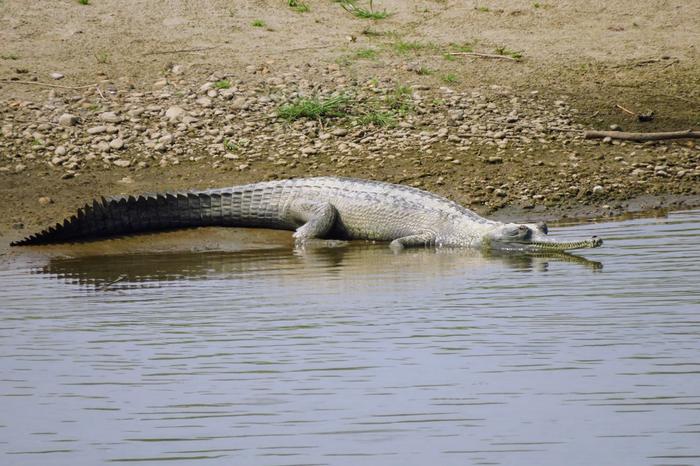
Credit: JM Pérez-García
A pioneering study highlights the importance of carrion and scavengers in wetlands on a global scale. A study by researchers from the Ecology area of the Miguel Hernández University of Elche (UMH) and the Ecology department of the University of Alicante (UA) reveals the fundamental importance of scavengers and carrion in wetlands. The article, published in Biological Reviews, emphasizes that the benefits provided by scavengers far outweigh the potential drawbacks. Among their essential functions are the recycling and transportation of nutrients and the regulation of water quality, benefiting the entire ecosystem, from soil and plants to birds and mammals.
Historically, animals that feed on other dead animals have received less attention from society, and they have even been assigned a secondary role in ecosystems. However, recent studies have shown that scavengers play a crucial ecological role in eliminating organic matter and rapidly recycling nutrients into the ecosystem. But despite the increased knowledge and interest in this group of animals in recent decades, most scientific attention has focused on the role of scavengers in terrestrial ecosystems, ignoring their function in ecosystems as important as wetlands.
Wetlands are vital ecosystems because they regulate the water cycle and prevent floods. They are critical habitats for diverse species, from migratory birds to fish and aquatic plants. At the same time, they provide essential ecosystem services such as water purification and carbon sequestration, significantly contributing to global environmental health. However, despite these critical functions, they are one of the most threatened habitats by human activities: it is estimated that between 64% and 71% of the planet’s wetlands have disappeared in the last century.
To understand the role of scavengers in wetlands, researchers from the Ecology area of the UMH and the UA analyzed more than 200 scientific articles conducted over the past 60 years worldwide. One conclusion of this analysis is that scientific knowledge is not spatially homogeneous. North America – with 70% of scientific papers – and Europe – with 14% – concentrated most of the research. This highlights a significant need for studies in other parts of the world. However, geographic differences are not the only ones found. Some wetlands, such as rivers and streams, receive much more scientific attention than lakes, ponds, or marshes. Both results indicate the need to refocus new research to fully understand the role of scavengers in aquatic ecosystems globally, diversifying research both geographically and in habitat types.
Contrary to the generally extended idea that only a small group of species consume dead animals, researchers found significant species diversity. There are 176 families of scavengers among small invertebrates, such as flies and beetles. Also, 114 species of vertebrates distributed in 40 families of birds and mammals scavenge. By analyzing each study in detail, researchers found that during the carrion consumption process, these organisms performed up to five different functions in the ecosystem, including nutrient recycling, water quality regulation, and pathogen control. This diversity of species and functions underscores the critical importance of scavengers in the health and balance of wetlands worldwide.
Most (85%) of the analyzed publications conclude that carrion positively affects all ecosystem components, from soil to large vertebrates. Therefore, according to the study conducted by researchers from UMH and UA, improving our understanding of scavengers and carrion in wetlands is crucial to assessing their current and future functions amidst global change. In particular, it would be helpful to understand the movement of essential nutrients for life, such as phosphorus or nitrogen, which are limiting in some ecosystems. They also recommend making more efforts to understand their influence on disease control, as an increase in the occurrence and magnitude of mass mortality events is expected. This knowledge will enable more effective management of wetlands and contribute to their long-term conservation.
This study has been published in the journal Biological Reviews and was carried out by a multidisciplinary team composed of researchers Adrian Orihuela Torres and Esther Sebastián González from UA and researchers from the Ecology area of UMH, José Antonio Sánchez Zapata, Francisco Botella, and Juan Manuel Pérez-García; in collaboration with researchers from the Institute of Advanced Social Studies (IESA-CSIC), the Doñana Biological Station (EBD-CSIC), the University of Granada, and the University of Murcia.
Journal
Biological Reviews
DOI
10.1111/brv.13075
Method of Research
Systematic review
Subject of Research
Not applicable
Article Title
Carrion ecology in inland aquatic ecosystems: a systematic review
Article Publication Date
20-Mar-2024