In a pivotal study published in the journal “Pediatric Radiology,” researchers unveil an unprecedented association between hemiconvulsion-hemiplegia-epilepsy syndrome and hypomyelinating leukodystrophy in a pediatric patient. This discovery presents an essential step in understanding and addressing complex neurological conditions that exhibit overlapping symptoms. The integration of hemiconvulsion-hemiplegia-epilepsy syndrome with hypomyelinating leukodystrophy might pave the way for groundbreaking diagnostic and therapeutic strategies.
Hemiconvulsion-hemiplegia-epilepsy syndrome, a rare neurological disorder typically characterized by a focal seizure leading to hemiplegia on one side of the body, has long puzzled researchers and clinicians alike. This syndrome often manifests in children and is tied to varying etiologies, making diagnosis and treatment particularly challenging. The research team led by Couto and associates provides essential insight into the underlying mechanisms and potential causes of this condition, which could rewrite existing clinical guidelines.
The specific child referenced in the study exhibited significant clinical challenges. After experiencing a severe seizure episode, the child developed hemiplegia, drawing the attention of neurologists investigating the incident. The findings from neuroimaging revealed underlying hypomyelinating leukodystrophy, a condition typically associated with impaired myelin formation in the central nervous system. Understanding this link is crucial, as it illustrates how underlying genetic and developmental disorders can influence the manifestation of apparent syndromes.
Leukodystrophies, particularly hypomyelinating variants, are characterized by insufficient myelination, leading to transitory and sustained neurological deficits. The interplay between these myelin-synthesizing processes and seizure disorders opens new avenues for research exploring the pathways leading to hemiconvulsion-hemiplegia-epilepsy syndrome. The authors suggest that the underlying dysregulation of myelination may contribute directly to the propensity for seizures.
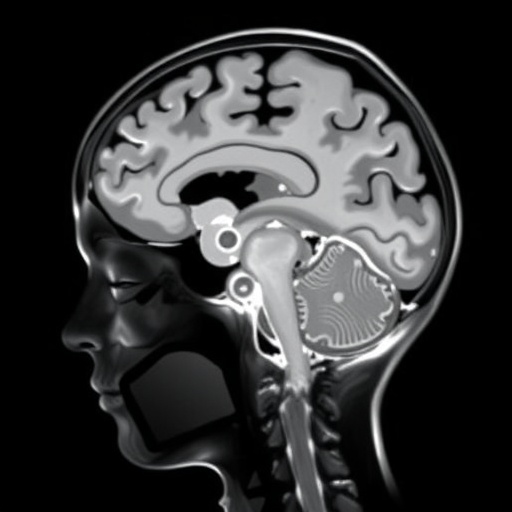
In the context of the case studied, detailed imaging studies, including MRI and CT scans, were employed to elucidate the neuroanatomical changes associated with hypomyelinating leukodystrophy. These imaging techniques not only helped confirm the diagnosis but also illustrated the critical relationship between demyelination and seizure activity. Such findings highlight the importance of advanced imaging technologies as they become indispensable tools for pediatric neurologists in diagnosing complex syndromes.
The implications of this association extend beyond this singular case. This work serves as a crucial reminder that pediatric disorders often manifest in complex ways that defy straightforward classification. This complexity stresses the need for a multi-disciplinary approach in pediatric neurology, where insights from genetics, imaging, and clinical evaluation converge to improve patient outcomes.
As the research community processes these findings, further investigations are warranted to validate this connection. It prompts many questions—how prevalent is this association, and what other underlying conditions may contribute to similar syndromic presentations? Such inquiries could lead to the development of new diagnostic protocols, potentially identifying at-risk children sooner and enabling earlier interventions.
The nuanced understanding of neurodevelopment in pediatric patients also becomes paramount. It urges clinicians to remain vigilant in observing not only for common symptoms of syndromic presentations but also for subtler signs that might indicate underlying conditions like leukodystrophies. This holistic view could mitigate many impacts of undiagnosed or mismanaged conditions, leading to improved quality of life for affected children.
Moreover, the discourse on genetic research cannot be overlooked. Investigators are increasingly revealing the genetic foundations of many leukodystrophies, providing the potential for targeted therapies that could rectify or amend the underlying neurological deficits. As understanding evolves, the intersection of genetics and neurology is poised to transform treatment paradigms for children presenting with severe neurological symptoms.
In conclusion, the newly highlighted association of hemiconvulsion-hemiplegia-epilepsy syndrome with hypomyelinating leukodystrophy encapsulates the intricate relationship between neurodevelopmental disorders. It underscores the need for heightened awareness and further research into the underlying mechanisms that drive these complex neurological conditions. As the scientific community continues to explore these connections, the hope remains that future findings will guide better management strategies for vulnerable pediatric populations.
This study has significant implications for clinical practice, urging physicians to consider the full spectrum of underlying neurological conditions when faced with atypical manifestations in pediatric patients. The dialogue around this new association is expected to influence upcoming research grants and shape future explorations in both pediatric neurology and genetics, ultimately benefiting countless families and children grappling with these debilitating conditions.
Subject of Research: Link between hemiconvulsion-hemiplegia-epilepsy syndrome and hypomyelinating leukodystrophy in pediatric neurology.
Article Title: Hemiconvulsion-hemiplegia-epilepsy syndrome in a child with an underlying hypomyelinating leukodystrophy: a previously unreported association.
Article References:
S Couto, R., B Madureira, G., Igreja, L. et al. Hemiconvulsion-hemiplegia-epilepsy syndrome in a child with an underlying hypomyelinating leukodystrophy: a previously unreported association.
Pediatr Radiol (2026). https://doi.org/10.1007/s00247-025-06505-x
Image Credits: AI Generated
DOI: 10.1007/s00247-025-06505-x
Keywords: hemiconvulsion-hemiplegia-epilepsy syndrome, hypomyelinating leukodystrophy, pediatric neurology, seizure disorders, neurodevelopment.
Tags: clinical guidelines for pediatric epilepsydiagnostic strategies for leukodystrophygenetic influences on neurological conditionshemiconvulsion-hemiplegia-epilepsy syndromehemiplegia in childrenhypomyelinating leukodystrophy in pediatricsmyelin formation and neurological healthneurological disorders in childrenpediatric neuroimaging findingspediatric neurology research advancementsseizure disorders in pediatric patientstherapeutic approaches for hemiplegia