• HOME
  • NEWS
  • EXPLORE
    • CAREER
      • Companies
      • Jobs
    • EVENTS
    • iGEM
      • News
      • Team
    • PHOTOS
    • VIDEO
    • WIKI
  • BLOG
  • COMMUNITY
    • FACEBOOK
    • INSTAGRAM
    • TWITTER
Sunday, June 28, 2026
BIOENGINEER.ORG
No Result
View All Result
  • Login
  • HOME
  • NEWS
  • EXPLORE
    • CAREER
      • Companies
      • Jobs
        • Lecturer
        • PhD Studentship
        • Postdoc
        • Research Assistant
    • EVENTS
    • iGEM
      • News
      • Team
    • PHOTOS
    • VIDEO
    • WIKI
  • BLOG
  • COMMUNITY
    • FACEBOOK
    • INSTAGRAM
    • TWITTER
  • HOME
  • NEWS
  • EXPLORE
    • CAREER
      • Companies
      • Jobs
        • Lecturer
        • PhD Studentship
        • Postdoc
        • Research Assistant
    • EVENTS
    • iGEM
      • News
      • Team
    • PHOTOS
    • VIDEO
    • WIKI
  • BLOG
  • COMMUNITY
    • FACEBOOK
    • INSTAGRAM
    • TWITTER
No Result
View All Result
Bioengineer.org
No Result
View All Result
Home NEWS Science News

Unlocking the genetic secrets of legendary bulls

Bioengineer by Bioengineer
February 15, 2017
in Science News
Reading Time: 2 mins read
0
Share on FacebookShare on TwitterShare on LinkedinShare on RedditShare on Telegram
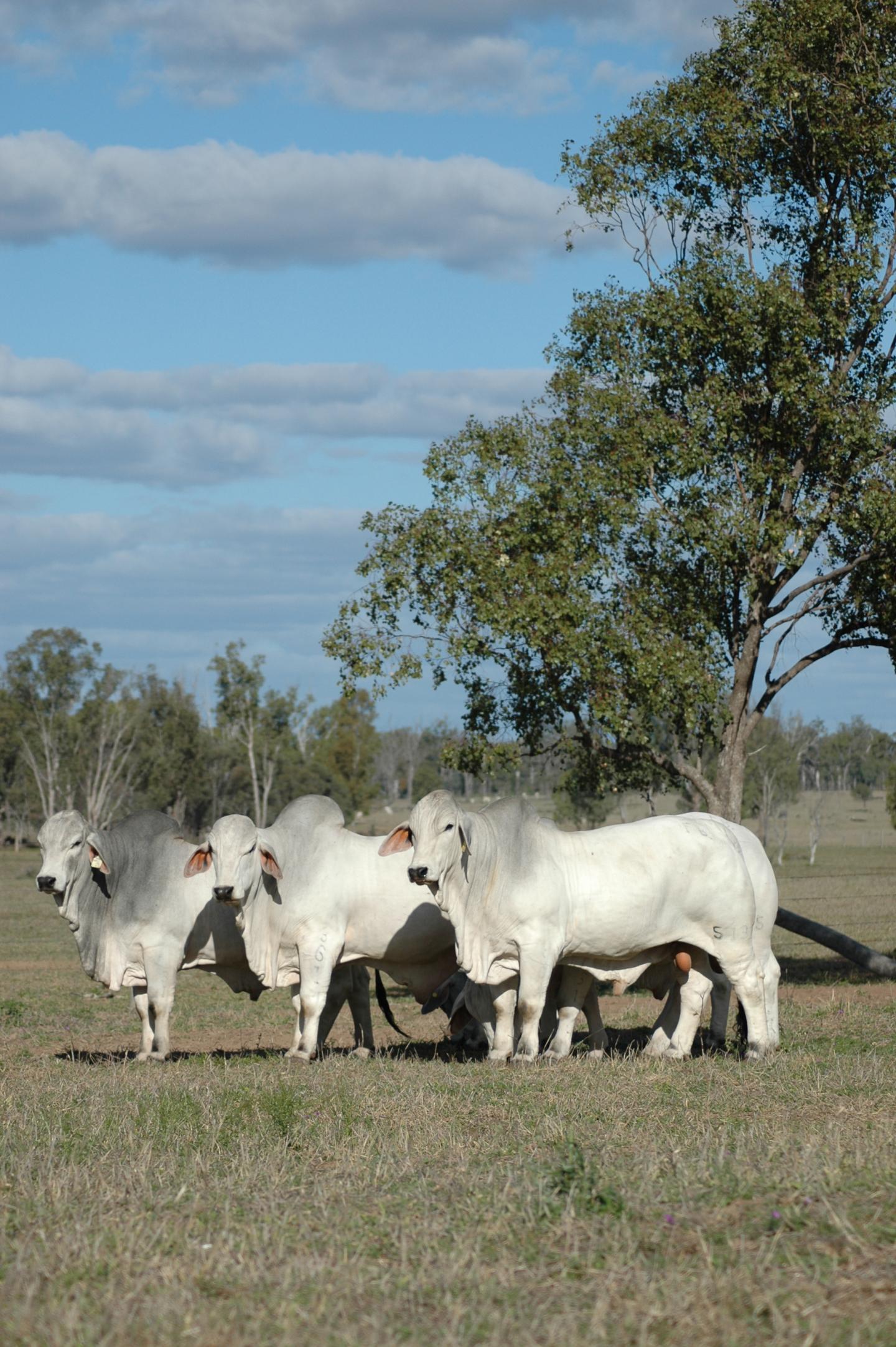
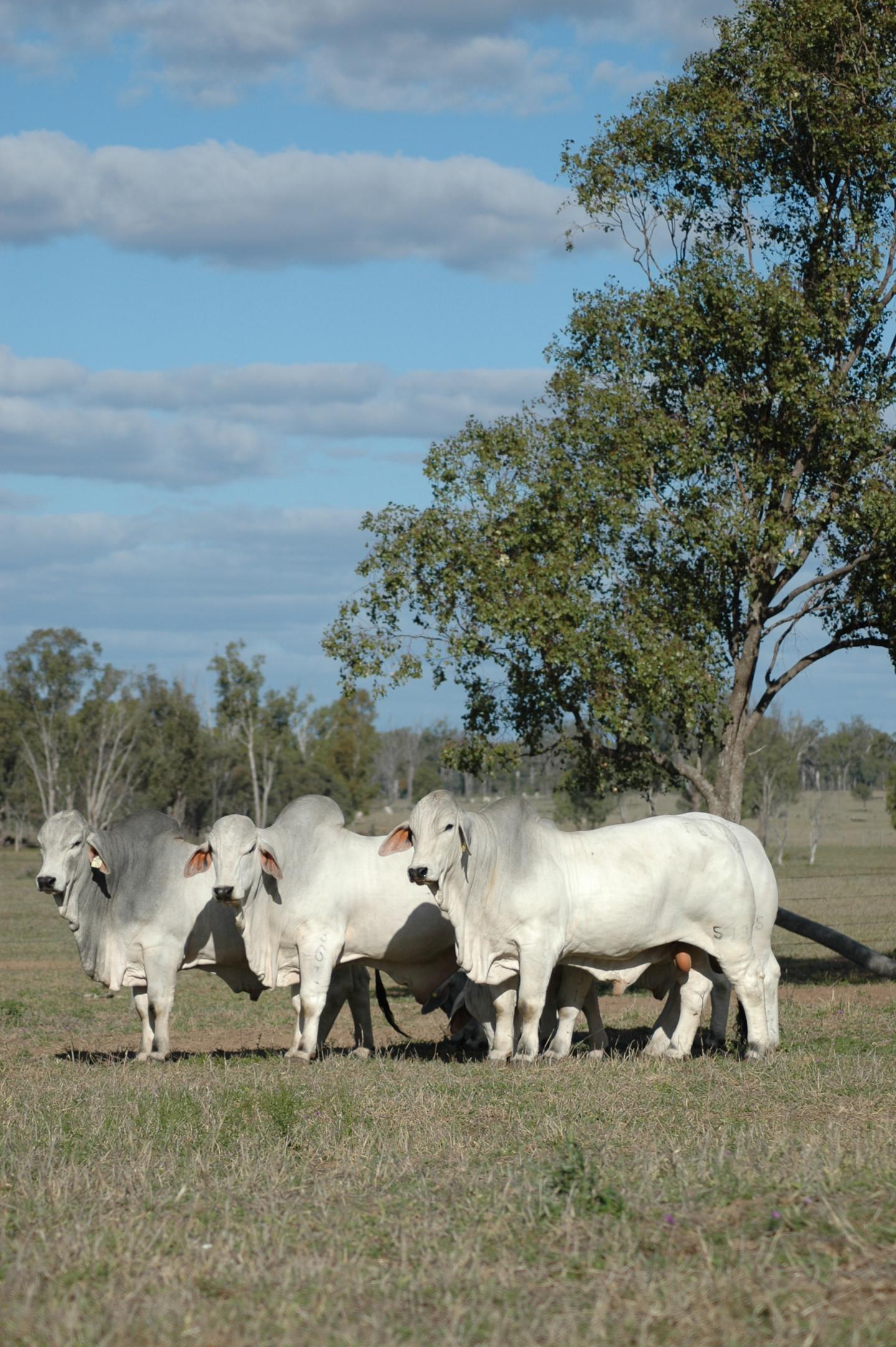
IMAGE

Credit: UQ

The genes of 50 top bulls have been sequenced in an effort to understand how genes from temperate cattle have influenced important production traits in the modern Brahman breed.

The Sequencing the Legends project is led by Professor Steve Moore Centre for Animal Sciences Director at the Queensland Alliance for Agriculture and Food Innovation (QAAFI), a combined University of Queensland and Queensland Government research institute.

"We are unpacking the entire DNA sequences of 50 influential animals then honing in on the genes associated with specific traits in order to capture the best genetics in the Brahman breed," he said.

"Understanding the genetics underlying production traits in Australian tropically adapted cattle is essential for further breed development and crossbreeding strategies," Professor Moore said.

"Brahmans are adapted to tropical climates and there have been more than 300,000 years of separation between Bos indicus cattle such as Brahman and the Bos taurus cattle breeds that are important to temperate production systems."

Queensland is home to almost half of Australia's beef cattle – with a mostly Brahman influence.

But the Brahman genome has been found to contain around seven to 10 per cent Bos taurus genes, a legacy of the breed formation.

"We were not sure how Bos taurus genes in the Brahman genome might affect the animals performance," Professor Moore said.

"Is it just a random mix or have specific taurine genes been retained in Brahmans because they were associated with desirable production traits?"

Professor Moore, his QAAFI colleague Professor Ben Hayes, and Dr Brian Burns from the Department of Agriculture and Fisheries (DAF) lead the research team that is sequencing the DNA from Brahman sires – some dating as far back as the mid-1950s.

DAF and the Australian Brahman Breeders Association were instrumental in selecting and locating the most influential sires for the project.

Results from the Sequencing the Legends project are still being processed but indicate that the Bos taurus genes lurking in the Brahman genome may have been selected for important production traits associated with fertility, growth and temperament.

"This data will help us to better direct breeding decisions and thus boost the productivity and profitability of the northern beef industry," Professor Moore said.

###

This project has been jointly funded by the Department of Agriculture and Fisheries and the University of Queensland.

Media: Professor Stephen Moore, [email protected], +61 417 687 713; Professor Ben Hayes, [email protected], 0434 210 890; Margaret Puls, QAAFI Communications, [email protected], +61 7 3346 0553, +61 419 578 356.

Media Contact

Steve Moore
[email protected]
61-733-466-506
@uq_news

http://www.uq.edu.au

############

Story Source: Materials provided by Scienmag

Share12Tweet8Share2ShareShareShare2

Related Posts

Tracking Lanthanide-Labeled Microplastics in Plants

June 25, 2026

POSTECH Researchers Slash Cost of Reconstituted Cell-Free Systems by 95%

June 25, 2026

AI and Physics Collaborate to Design Advanced Hydrogen Storage Materials

June 25, 2026

Natural Hallucinogens: Evolution’s Ecological Tools, Not Mere Chemical Byproducts

June 25, 2026
Please login to join discussion

POPULAR NEWS

  • Saying Goodbye to PGY-6: Pediatric Fellowship Realities

    103 shares
    Share 41 Tweet 26
  • Multi-Hospital Study Reveals Long Covid Burden Is Twice as High as Current Estimates

    92 shares
    Share 36 Tweet 23
  • Detection of EDCs in Breast Milk and Infant Urine Up to Six Months Highlights Early Exposure Risks

    77 shares
    Share 31 Tweet 19
  • New Drug Candidate Developed at McMaster Shows Potential for Treating Brain Cancer

    58 shares
    Share 23 Tweet 15

About

We bring you the latest biotechnology news from best research centers and universities around the world. Check our website.

Follow us

Recent News

Tracking Lanthanide-Labeled Microplastics in Plants

POSTECH Researchers Slash Cost of Reconstituted Cell-Free Systems by 95%

AI and Physics Collaborate to Design Advanced Hydrogen Storage Materials

Subscribe to Blog via Email

Success! An email was just sent to confirm your subscription. Please find the email now and click 'Confirm' to start subscribing.

Join 82 other subscribers
  • Contact Us

Bioengineer.org © Copyright 2023 All Rights Reserved.

Welcome Back!

Login to your account below

Forgotten Password?

Retrieve your password

Please enter your username or email address to reset your password.

Log In
No Result
View All Result
  • Homepages
    • Home Page 1
    • Home Page 2
  • News
  • National
  • Business
  • Health
  • Lifestyle
  • Science

Bioengineer.org © Copyright 2023 All Rights Reserved.