The University of Maryland Marlene and Stewart Greenebaum Comprehensive Cancer Center (UMGCCC) has recently received a distinguished $3 million award from the National Cancer Institute (NCI) dedicated to advancing cancer research with a focus on health equity. This award, known as the Advancing Oncologic Research Communities in Health Equity (ARCH) K12 Program, is designed to cultivate the next generation of oncology researchers who are committed to improving cancer outcomes for patients across diverse and underserved populations. The program acknowledges the urgent need for addressing disparities in cancer treatment and outcomes that continue to affect vulnerable communities worldwide.
The ARCH K12 Program aims to provide early-career faculty and postdoctoral fellows with comprehensive support in their formative research phases, particularly those interested in community-informed oncology research. The initiative emphasizes training scholars who intend to tackle cancer disparities and promote equitable healthcare delivery in oncology. This initiative’s significance lies in its potential to foster innovations in cancer biology, epidemiology, treatment paradigms, and community health engagement, thereby closing gaps in cancer care that stem from socioeconomic, racial, and geographic inequities.
Dr. Taofeek K. Owonikoko, MD, Executive Director of UMGCCC and the Kevin J. Cullen M.D. Distinguished Professor in Oncology at the University of Maryland School of Medicine (UMSOM), highlighted the importance of this award as a testament to the center’s robust community-centric research and patient care model. The recognition by the NCI attests to UMGCCC’s unique integration of cutting-edge cancer treatment with a deep understanding of the social determinants affecting cancer outcomes in the Baltimore metropolitan area and beyond.
The leadership team for the ARCH program consists of three principal investigators, including Dr. Owonikoko and his co-leads, Dr. Stuart Martin, PhD, UMGCCC Deputy Director and Chair of Pharmacology & Physiology at UMSOM, and Dr. Rebecca G. Nowak, PhD, MPH, Associate Professor of Epidemiology & Public Health. Their collective expertise spans molecular oncology, pharmacology, and epidemiology, further enriching the program’s multidisciplinary approach. Together, these investigators will oversee the development, implementation, and evaluation of the program’s impact on trainee success and community health outcomes.
Cancer research over recent decades has witnessed transformative advances in molecular diagnostics, targeted therapies, immunotherapy, and precision medicine, profoundly altering the landscape of oncologic prognostication and survival. Dr. Martin emphasized the importance of nurturing early-career researchers committed to community oncology to sustain this momentum. By investing in these emerging scientists, the ARCH program aims to translate laboratory discoveries and clinical insights into tangible patient benefits, especially in populations historically underrepresented in clinical trials and underserved by traditional healthcare systems.
The $3 million award will be allocated over a five-year span, providing scholars with up to two years of intensive mentorship, research funding, and professional development opportunities. Candidates affiliated with the University of Maryland Baltimore (UMB) system are invited to apply before the April 8, 2026 deadline. Accepted scholars will engage in a rigorous program that integrates translational research training, community engagement strategies, and interdisciplinary collaboration, positioning them to become leaders in oncologic health equity research.
From an epidemiological perspective, Dr. Nowak expressed enthusiasm about the program’s potential to facilitate breakthroughs in cancer surveillance, prevention strategies, and understanding of behavioral and environmental risk factors that disproportionately affect marginalized populations. The program’s emphasis on epidemiology and public health underlines a holistic approach to cancer research, encompassing not only molecular and clinical aspects but also population-level interventions aimed at reducing incidence and improving early detection.
UMSOM Dean Mark T. Gladwin, MD, underscored UMGCCC’s longstanding reputation for enrolling a demographically diverse array of patients in clinical trials, reflecting a foundation of trust and collaboration between the center and the surrounding communities. This new NCI award complements and expands existing initiatives by linking early-career investigators dedicated to health equity with comprehensive research infrastructure, community outreach programs, and multidisciplinary mentorship, thereby fostering a continuum of cancer research and care.
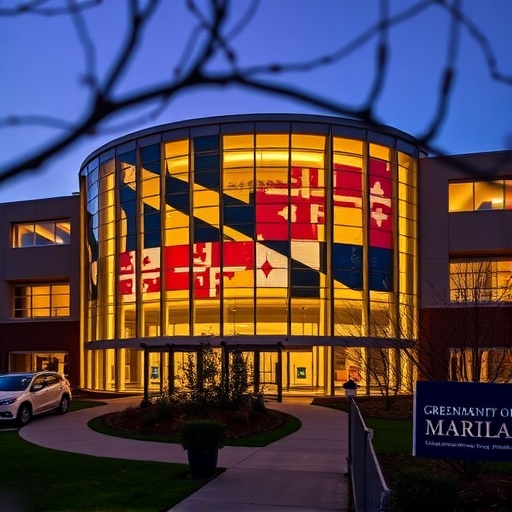
The UMGCCC, a National Cancer Institute-designated comprehensive cancer center located within the University of Maryland Medical Center, represents a major hub for cancer research and clinical care in the Mid-Atlantic region. Ranked among the top 50 cancer programs nationwide by U.S. News & World Report, the center exemplifies excellence in integrating basic science discoveries with clinical innovation and community-based participatory research. Its close affiliation with the University of Maryland School of Medicine further bolsters its capacity to conduct cutting-edge research and train future cancer researchers.
Moreover, the ARCH K12 Program embodies a critical response to persistent health disparities observed in oncology. Cancer mortality rates and treatment efficacy often diverge significantly based on race, ethnicity, socioeconomic status, and geographic location. By prioritizing the recruitment and training of scholars attuned to these disparities, UMGCCC is pioneering a model for institutional commitment to social justice within cancer research. Such programs hold promise not only in fostering scientific innovation but also in building an oncology workforce reflective of the communities served.
The strategic vision of the ARCH program aligns with broader NIH initiatives aimed at promoting diversity, equity, and inclusion in biomedical research. By supporting scholars during the crucial transition from training to independent research careers, the program focuses on sustainability and long-term impact. Participants receive tailored mentorship in research design, grant writing, community engagement, and dissemination of findings, ensuring their preparedness to lead impactful research programs addressing cancer health equity.
In conclusion, the University of Maryland Marlene and Stewart Greenebaum Comprehensive Cancer Center’s receipt of the NCI ARCH K12 Award marks a significant milestone in the quest to dismantle disparities in cancer care and outcomes. This program exemplifies a multipronged approach, merging scientific rigor with community partnership and mentorship to equip new investigators with the tools necessary to drive innovations in oncology. With this investment, the UMGCCC is poised to shape the future landscape of cancer research and treatment toward greater inclusivity and effectiveness.
Subject of Research: Cancer health equity, community-informed oncology research, cancer disparities
Article Title: University of Maryland Greenebaum Cancer Center Awarded $3 Million NCI Grant to Advance Health Equity in Oncology Research
News Publication Date: 2025
Web References: https://www.umgccc.org, https://resources.cancer.gov/ARCH-K12
References: Information derived from University of Maryland School of Medicine press release, National Cancer Institute grant announcements
Image Credits: University of Maryland School of Medicine
Tags: advancing health equity in oncologyadvancing oncologic research communities in health equityARCH K12 oncology training programcancer biology and epidemiology innovationscancer disparities research initiativescancer outcomes in underserved populationscommunity-informed cancer research programscommunity-informed oncology researchcomprehensive cancer center research grantsdiversity and inclusion in cancer researchearly-career cancer researcher mentorshipearly-career faculty cancer research supportequitable healthcare delivery in oncologyNational Cancer Institute ARCH K12 ProgramNational Cancer Institute Career Development Awardnext generation oncology researchers trainingpatient-centered cancer research approachesracial and ethnic cancer outcome disparitiessocioeconomic factors in cancer researchsocioeconomic factors in cancer treatmenttraining next-generation oncology investigatorsUniversity of Maryland cancer research funding