A new report by the Intergovernmental Platform on Biodiversity and Ecosystem Services (IPBES) presents major findings on the gravity of impacts from invasive alien species on our planet. Researchers found more than 37,000 alien species have been introduced by human activities over the centuries, and this conservative estimate is rising at unprecedented rates. Additionally, more than 3,500 of these are harmful invasive alien species, impacting humans, animals and plants.
Credit: University of Houston
A new report by the Intergovernmental Platform on Biodiversity and Ecosystem Services (IPBES) presents major findings on the gravity of impacts from invasive alien species on our planet. Researchers found more than 37,000 alien species have been introduced by human activities over the centuries, and this conservative estimate is rising at unprecedented rates. Additionally, more than 3,500 of these are harmful invasive alien species, impacting humans, animals and plants.
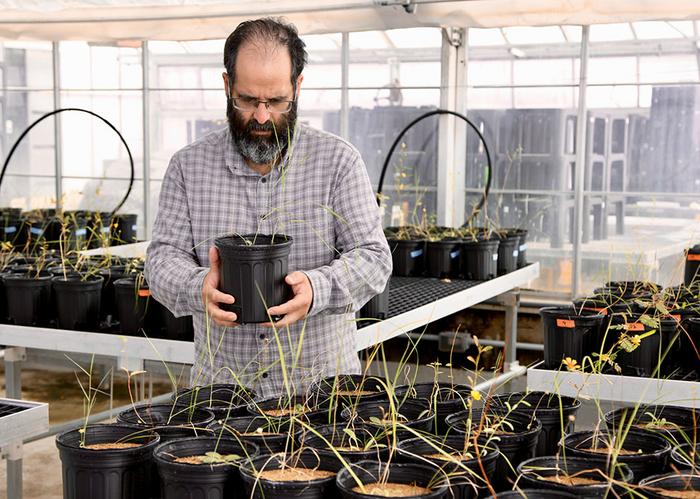
Dozens of international biodiversity researchers are authors of the report, including University of Houston Associate Professor of Biology and Biochemistry Martín Nuñez, who was a coordinating lead author of the chapter covering the impacts of invasive species.
“This is the greatest collection of information ever created on the impacts of invasions,” Nuñez said. “We found that the impacts are huge and bigger than we expected. We have about 13,000 references on this topic to compile a huge database.”
Approved on Saturday, Sept. 2 in Bonn, Germany, by representatives of the 143 member States of IPBES, the “Invasive Alien Species Assessment: Summary for Policymakers” finds that alongside dramatic changes to biodiversity and ecosystems, the global economic cost of invasive alien species exceeded $423 billion annually in 2019, with costs having at least quadrupled every decade since 1970.
“Invasive alien species have been a major factor in 60% and the only driver in 16% of global animal and plant extinctions that we have recorded,” said Anibal Pauchard, co-chair of the assessment.
Invasive species affect food supplies, as evidenced by the negative impacts of the European shore crab on commercial shellfish beds in New England and the damage caused by the Caribbean false mussel to fishery resources in India.
There also impacts on people’s health, including diseases such as malaria, Zika and West Nile Fever, spread by invasive alien mosquito species like Aedes albopictus and Aedes aegyptii. Invasive alien species also damage livelihoods, for example in Lake Victoria where fisheries have declined due to the depletion of tilapia, because of the spread of water hyacinth, the world’s most widespread terrestrial invasive alien species.
The report shows that 34% of the impacts of biological invasions were reported from the Americas, 31% from Europe and Central Asia, 25% from Asia and the Pacific and about 7% from Africa. Most negative impacts are reported on land (about 75%), with considerably fewer reported in freshwater (14%) and marine (10%) habitats. Invasive alien species are most damaging on islands, with alien plants now exceeding native plants on more than 25% of all islands.
Prevention measures, such as border biosecurity and strictly enforced import controls, are identified in the report as having worked in many instances, such as the successes achieved in Australia, New Zealand and neighboring islands in reducing the spread of the brown marmorated stink bug.
Preparedness, early detection and rapid response are shown to be effective at reducing rates of alien species establishment. Eradication has been successful and cost-effective for some species, especially when their populations are small and slow spreading in isolated ecosystems such as islands. For example, the black rat and rabbit have been successfully eradicated from French Polynesia.
“Our recommendations are not policy prescriptive,” Nuñez said. “We are helping policy makers, but we are not telling them what to do; we are offering options.”
For the full press release from the IPBES and facts and figures from the report: https://www.ipbes.net/IASmediarelease