A pioneering approach spearheaded by researchers at the University of Cincinnati Cancer Center is shedding new light on the formidable challenge of treating glioblastoma, a highly aggressive primary brain cancer. With survival rates languishing between 5% and 7% at five years post-diagnosis, glioblastoma remains a stubborn adversary in oncology, partly due to the protected environment of the brain and the intricate nature of its immune landscape. The team is harnessing cutting-edge biotechnology, including a novel glioblastoma-on-a-chip model, alongside a delayed release immunostimulatory molecular wafer to activate the central nervous system’s immune defenses in the critical period following surgical tumor resection.
The blood-brain barrier, a specialized physiological shield, prevents most conventional chemotherapeutics from adequately reaching brain tumors, creating a significant pharmacological obstacle. Concurrently, the central nervous system exhibits an inherently “cold” immune microenvironment — a state characterized by limited immune activity — which further complicates efforts to mount an effective immune response against residual glioblastoma cells that infiltrate healthy brain tissue and evade surgical excision. Traditional post-surgical wafers releasing radiation or chemotherapeutic agents suffer from a lack of specificity and limited clinical efficacy, underscoring the urgent need for innovative, targeted therapies.
Jonathan Forbes, MD, principal investigator and neurosurgery expert at UC, emphasizes the unprecedented opportunity surgery offers. The resection cavity, a surgically accessible void left behind after tumor removal, is microscopically burdened with infiltrative cancer cells challenging to eradicate. By deploying an immunotherapeutic device directly within this microsite, the strategy aims to manipulate the local immune environment precisely where residual malignant cells persist, potentially transforming the brain from an immunologically inert zone into a robust battleground against cancer.
Selecting the optimal immunostimulatory molecule was paramount. The investigation converged on Interleukin-15 (IL-15), a cytokine known for its potent activation of immune effector cells integral to cancer cell recognition and destruction. IL-15 not only promotes the survival and proliferation of natural killer cells and cytotoxic T lymphocytes but also enhances their cytolytic capacity, hallmark features essential for orchestrating a coordinated immune assault on glioblastoma, which notoriously resists many conventional immunotherapies.
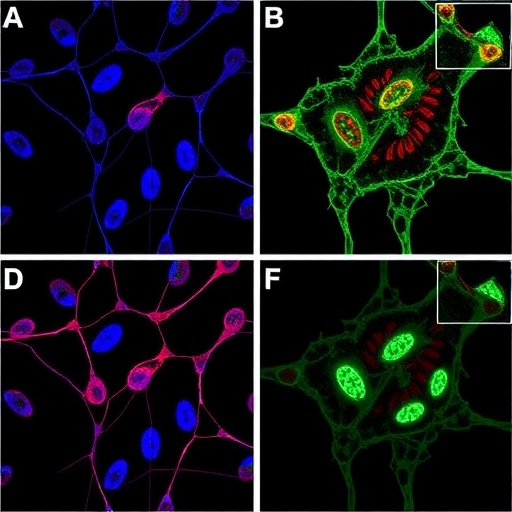
The Ride Cincinnati grant of $40,000 is integral to advancing validation experiments utilizing a revolutionary glioblastoma-on-a-chip platform, developed collaboratively with biomedical engineer Ricardo Barrile, PhD. This technology transcends the limitations of traditional cell culture and animal models by fabricating a three-dimensional, human-relevant microphysiological system. The chip mimics the native brain tumor microenvironment, integrating human brain cells alongside glioblastoma cells with precision-engineered vascular and immune system analogs, enabling detailed interrogation of drug effects in a controlled and clinically pertinent context.
Barrile’s engineering feat leverages advanced 3D bioprinting and microfluidic systems to recreate crucial biological interfaces. The chip incorporates a bioprinted blood vessel channel simulating drug transport dynamics from the bloodstream into brain tissue, and an immune cell compartment allowing real-time observation of immune-tumor interactions. This innovative mimicry recapitulates the tumor’s complex ecosystem — essential for predicting therapeutic outcomes more accurately than conventional models, where immune components are often absent or diminished.
The significance of incorporating immune system elements cannot be overstated. Glioblastoma tumors in patients contain up to 30% immune cells, which play nuanced roles in tumor progression and resistance. Typical in vitro assays fail to preserve this heterogeneity, limiting their translational relevance. The glioblastoma-on-a-chip model’s inclusion of various immune cell populations offers a transformative tool for dissecting immune modulation by novel therapeutics such as the IL-15 wafer, enabling mechanistic insights into immune activation, suppression, and cytotoxicity within a human brain tumor milieu.
Looking toward personalized medicine, the platform holds promise for individualized therapeutic screening. By utilizing patient-derived cells on the chip, the researchers aim to simulate a patient’s unique tumor-immune landscape, providing a predictive assay to tailor immunotherapy regimens before clinical deployment. This approach could revolutionize glioblastoma management by moving away from generic treatment protocols toward bespoke strategies that maximize efficacy and minimize adverse effects.
In parallel, the UC Brain Tumor Center is pioneering methods to circumvent the blood-brain barrier’s impermeability using navigated focused ultrasound, a technique capable of transiently opening the barrier to facilitate drug delivery. When integrated with immunomodulatory wafers and physiologically accurate in vitro models, these multifaceted strategies represent a comprehensive assault on glioblastoma’s biological defenses, bringing new hope to an area where therapeutic advances have been stubbornly elusive for decades.
The interdisciplinary nature of this research, merging molecular immunology, biomedical engineering, and neurosurgical clinical practice, exemplifies modern biomedical innovation. Medical student Beatrice Zucca’s involvement highlights the project’s educational impact, fostering a new generation of researchers equipped to tackle complex challenges through cross-disciplinary collaboration. The work not only advances scientific knowledge but also carries profound personal significance for those engaged in the quest to develop curative therapies for one of the deadliest cancers known.
Continued support and expansion of such initiatives are vital to unravel glioblastoma’s layered pathology and to harness the full potential of the immune system in combating this devastating disease. By capitalizing on technological innovations like glioblastoma-on-a-chip and immunostimulatory therapeutic wafers, the University of Cincinnati team is charting a path toward more effective, patient-specific treatment paradigms that could markedly improve prognosis and quality of life for patients worldwide.
Subject of Research: Glioblastoma treatment and immunotherapy
Article Title: University of Cincinnati Pioneers Glioblastoma-on-a-Chip for Targeted Immunotherapy
News Publication Date: 2024
Web References: https://www.uc.edu/news/articles/2024/09/new-biotech-targets-brain-tumor-treatments.html
Image Credits: Photo/Andrew Higley/UC Marketing + Brand
Keywords: Glioblastomas, Brain cancer, Immunotherapy, Glioblastoma-on-a-chip, Interleukin-15, Biomedical engineering, 3D bioprinting, Microfluidics, Personalized medicine, Blood-brain barrier
Tags: biodegradable wafer for cancer therapyblood-brain barrier challengescentral nervous system immune responseglioblastoma survival ratesglioblastoma treatment advancementsimmunotherapy for brain cancerinnovative cancer research at UCnovel biotechnology in oncologyovercoming chemotherapy limitations in brain tumorssurgical tumor resection strategiestargeted therapies for glioblastomatumor-on-a-chip technology