• HOME
  • NEWS
  • EXPLORE
    • CAREER
      • Companies
      • Jobs
    • EVENTS
    • iGEM
      • News
      • Team
    • PHOTOS
    • VIDEO
    • WIKI
  • BLOG
  • COMMUNITY
    • FACEBOOK
    • INSTAGRAM
    • TWITTER
Thursday, June 25, 2026
BIOENGINEER.ORG
No Result
View All Result
  • Login
  • HOME
  • NEWS
  • EXPLORE
    • CAREER
      • Companies
      • Jobs
        • Lecturer
        • PhD Studentship
        • Postdoc
        • Research Assistant
    • EVENTS
    • iGEM
      • News
      • Team
    • PHOTOS
    • VIDEO
    • WIKI
  • BLOG
  • COMMUNITY
    • FACEBOOK
    • INSTAGRAM
    • TWITTER
  • HOME
  • NEWS
  • EXPLORE
    • CAREER
      • Companies
      • Jobs
        • Lecturer
        • PhD Studentship
        • Postdoc
        • Research Assistant
    • EVENTS
    • iGEM
      • News
      • Team
    • PHOTOS
    • VIDEO
    • WIKI
  • BLOG
  • COMMUNITY
    • FACEBOOK
    • INSTAGRAM
    • TWITTER
No Result
View All Result
Bioengineer.org
No Result
View All Result
Home NEWS Science News

Underwater mushrooms: Curious lake fungi under every turned over stone

Bioengineer by Bioengineer
November 1, 2016
in Science News
Reading Time: 2 mins read
0
Share on FacebookShare on TwitterShare on LinkedinShare on RedditShare on Telegram
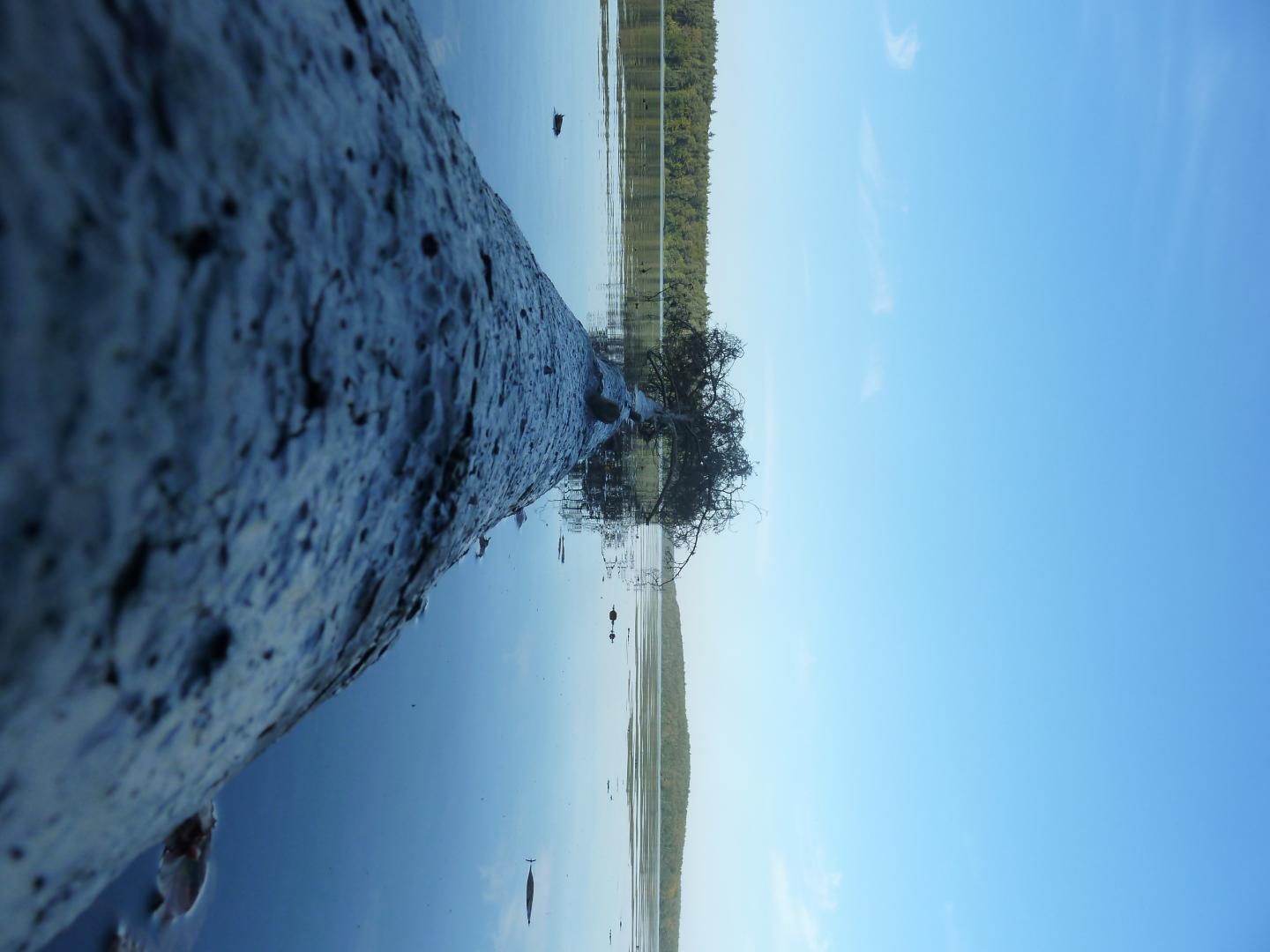
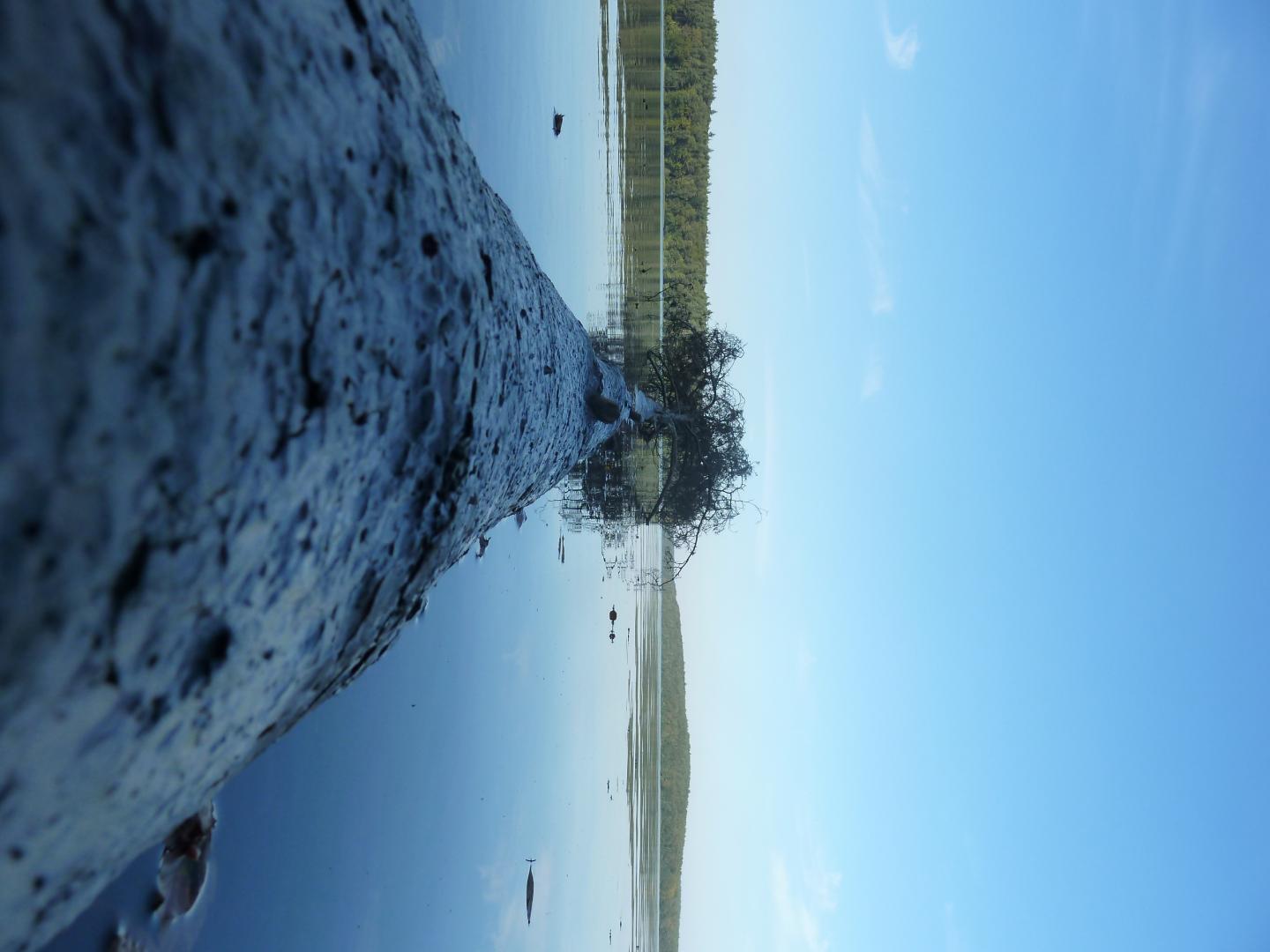
IMAGE

Credit: Christian Wurzbacher

While fungi are well known for being essential in cycling carbon and nutrients, there are only about 100,000 described species in contrast to the 1.5 to 3 millions, assumed to exist on Earth. Of these, barely 3000 fungi belong to aquatic habitats. In fact, freshwater fungi have been researched so little, it is only now that an international research team provide the first lake-wide fungal diversity estimate in the open access journal MycoKeys.

Over the spring and the early summer of 2010, a large team of scientists, led by Dr Christian Wurzbacher and Dr Norman Warthmann, affiliated with the Leibniz-Institute of Freshwater Ecology and Inland Fisheries and the Berlin Center for Genomics in Biodiversity Research, Germany (currently at University of Gothenburg, Sweden, and the Australian National University, Australia, respectively), collected a total of 216 samples from 54 locations, encompassing eight different habitats within Lake Stechlin in North-East Germany.

Having recovered samples on three occasions over the course of the study, their aim was to test how habitat specificity affects the fungal community and whether fungal groups would reflect the availability of particulate organic matter as substrate. Unlike previous studies of aquatic fungi that compared water samples among different lakes or seasons, theirs would compare the diversity among habitats within a single lake. This included the study of fungi living in the water and the sediments, as well as fungi living on the surfaces of plants and other animals.

As a result, the scientists concluded that every type of habitat, i.e. sediments, biofilms, and submerged macrophytes (large aquatic plants), has a specific fungal community that varies more than initially expected. Of these, lake biofilms, representing a group of microorganisms, whose cells stick to each other, and cling together to a surface, turned out to be the hotspots for aquatic fungi.

"Our study provides the first estimate of lake-wide fungal diversity and highlights the important contribution of habitat heterogeneity to overall diversity and community composition," the scientists summarise. "Habitat diversity should be considered in any sampling strategy aiming to assess the fungal diversity of a water body."

###

Original source:

Wurzbacher C, Warthmann N, Bourne EC, Attermeyer K, Allgaier M, Powell JR, Detering H, Mbedi S, Grossart H-P, Monaghan MT (2016) High habitat-specificity in fungal communities in oligo-mesotrophic, temperate Lake Stechlin (North-East Germany). MycoKeys 16: 17-44. https://doi.org/10.3897/mycokeys.16.9646

Media Contact

Christian Wurzbacher
[email protected]
@Pensoft

http://www.pensoft.net

Share17Tweet8Share2ShareShareShare2

Related Posts

Asian Working Group Revises Sarcopenia Criteria 2019-2025

June 25, 2026

AI-Powered Platform Advances Structure-Based Drug Discovery

June 25, 2026

BALatrine Reduces Helminth Infections: Central Java Trial

June 24, 2026

Decoding the Secret Code of a Crucial Immune Sensor

June 24, 2026
Please login to join discussion

POPULAR NEWS

  • Saying Goodbye to PGY-6: Pediatric Fellowship Realities

    103 shares
    Share 41 Tweet 26
  • Multi-Hospital Study Reveals Long Covid Burden Is Twice as High as Current Estimates

    92 shares
    Share 36 Tweet 23
  • Detection of EDCs in Breast Milk and Infant Urine Up to Six Months Highlights Early Exposure Risks

    77 shares
    Share 31 Tweet 19
  • New Drug Candidate Developed at McMaster Shows Potential for Treating Brain Cancer

    58 shares
    Share 23 Tweet 15

About

We bring you the latest biotechnology news from best research centers and universities around the world. Check our website.

Follow us

Recent News

Asian Working Group Revises Sarcopenia Criteria 2019-2025

AI-Powered Platform Advances Structure-Based Drug Discovery

BALatrine Reduces Helminth Infections: Central Java Trial

Subscribe to Blog via Email

Enter your email address to subscribe to this blog and receive notifications of new posts by email.

Join 82 other subscribers
  • Contact Us

Bioengineer.org © Copyright 2023 All Rights Reserved.

Welcome Back!

Login to your account below

Forgotten Password?

Retrieve your password

Please enter your username or email address to reset your password.

Log In
No Result
View All Result
  • Homepages
    • Home Page 1
    • Home Page 2
  • News
  • National
  • Business
  • Health
  • Lifestyle
  • Science

Bioengineer.org © Copyright 2023 All Rights Reserved.