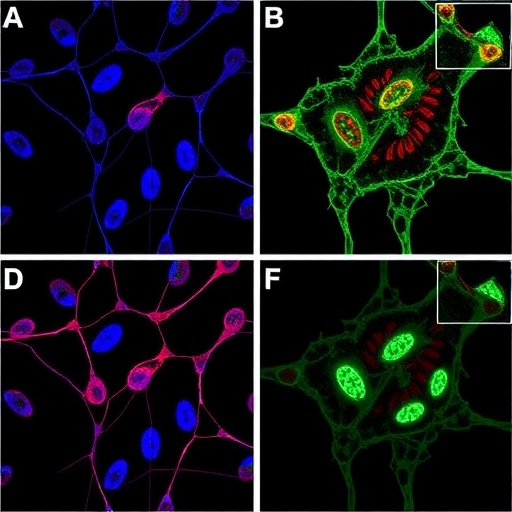
Recent advancements in cancer research have unveiled a significant new understanding of oropharyngeal squamous cell carcinoma (OSCC), specifically in relation to its development independent of human papillomavirus (HPV) infection. The focal point of this exploration is the immature squamous metaplastic epithelium found in Weber’s glandular duct, which has been identified as a crucial origin point of this form of cancer. Researchers have dedicated extensive resources to analyze how alterations in this specific epithelial structure can influence the onset of malignancy, illuminating previously obscure pathways in tumor genesis.
The research conducted by Chen, Liu, and Li et al. delves into the characterization of the epithelium associated with Weber’s ducts. Their investigative endeavors indicate that this immature squamous metaplastic epithelium possesses unique histopathological features that are distinctly different from other epithelial tissues found in the oropharyngeal region. Understanding these nuances is vital, as they could offer insights into the biological behaviors of carcinogenic processes that occur independently from viral influences, particularly HPV.
One fascinating aspect highlighted in the study is the cellular composition of this metaplastic epithelium. Unlike typical squamous epithelium that might be influenced by viral infection, the morphological and biochemical characteristics of the immature metaplastic cells in Weber’s duct suggest they may be predisposed to neoplastic transformations. This raises questions about the microenvironment and the local factors that could contribute to carcinogenesis in the absence of HPV, providing a possible explanation for the increasing incidence of HPV-negative oropharyngeal cancers in recent years.
The implications of this research are profound, extending beyond mere academic interest. For oncologists and pathologists, recognizing the potential of Weber’s duct epithelium as a source of OSCC offers new avenues for screening and early intervention. The identification of distinct biomarkers associated with the metaplastic changes in this tissue may pave the way for the development of diagnostic tools that could detect cancers at a much earlier stage, improving prognoses for patients diagnosed with these historically difficult to treat malignancies.
Moreover, the study provokes a re-examination of existing treatment protocols for oropharyngeal cancers. Traditional strategies often overlook the relevance of the epithelial landscape and its contribution to cancer biology. By integrating the findings from this research into clinical practice, health professionals may be able to tailor more effective treatment regimens that address the specific histological features of tumors arising from the metaplastic epithelium, potentially increasing the efficacy of therapeutic interventions.
In light of the burgeoning interest in HPV-independent cancer mechanisms, further studies will be essential to elucidate the precise pathways through which the immature squamous metaplastic epithelium transitions to a malignant state. Investigating the role of genetic, environmental, and lifestyle factors could provide a comprehensive outlook on the multifactorial nature of oropharyngeal squamous cell carcinoma, stressing the necessity for multidisciplinary approaches in cancer research and treatment.
Another compelling direction of future research could involve exploring the interplay between the immune system and the metaplastic epithelium within the context of OSCC. Understanding how these immature squamous cells interact with local immune responses might reveal crucial information about tumor immune evasion strategies and inform the development of immunotherapies, another promising frontier in the fight against cancer.
As the body of knowledge surrounding HPV-independent oropharyngeal cancers expands, so too does the imperative for ongoing funding and support for innovative research like that conducted by Chen and colleagues. Continued investment in cutting-edge studies will be critical for not only identifying new therapeutic targets and strategies but also for fostering a holistic understanding of cancer biology in its many forms.
In conclusion, the groundbreaking findings surrounding the immature squamous metaplastic epithelium of Weber’s glandular duct add a new layer of complexity to the understanding of oropharyngeal squamous cell carcinoma. Researchers and clinicians alike must integrate these insights to enhance diagnostic capabilities and improve patient outcomes. This study exemplifies the dynamic nature of cancer research, urging the scientific community to remain diligent in its quest for knowledge and innovation.
As awareness of these mechanisms grows, there is an inherent responsibility to translate this research into actionable healthcare practices. The medical community must prioritize the dissemination of this knowledge, ensuring that practitioners are equipped to recognize and address the unique characteristics of oropharyngeal squamous cell carcinoma that arise from the implications of this study effectively.
Subject of Research: Immature squamous metaplastic epithelium of Weber’s glandular duct as an origin of HPV-independent oropharyngeal squamous cell carcinoma.
Article Title: Immature squamous metaplastic epithelium of Weber’s glandular duct: a significant origin of HPV-independent oropharyngeal squamous cell carcinoma in the base of the tongue.
Article References: Chen, X., Liu, S., Li, P. et al. Immature squamous metaplastic epithelium of Weber’s glandular duct: a significant origin of HPV-independent oropharyngeal squamous cell carcinoma in the base of the tongue. J Cancer Res Clin Oncol 152, 29 (2026). https://doi.org/10.1007/s00432-025-06415-3
Image Credits: AI Generated
DOI: https://doi.org/10.1007/s00432-025-06415-3
Keywords: oropharyngeal squamous cell carcinoma, HPV-independent cancer, immature squamous metaplasia, Weber’s gland, tumor genesis, cancer research, pathology, biomarkers, immunotherapy, cancer treatment, oncogenesis.
Tags: biological behaviors of malignancycancer research advancementscarcinogenic processes without HPVepithelial tissue alterations in cancerhistopathological features of oropharyngeal epitheliumHPV-independent oropharyngeal cancerimmature squamous metaplastic epitheliummetaplastic epithelium cellular compositionnon-viral cancer developmentoropharyngeal squamous cell carcinomatumor genesis pathwaysWeber’s glandular duct cancer origins