• HOME
  • NEWS
  • EXPLORE
    • CAREER
      • Companies
      • Jobs
    • EVENTS
    • iGEM
      • News
      • Team
    • PHOTOS
    • VIDEO
    • WIKI
  • BLOG
  • COMMUNITY
    • FACEBOOK
    • INSTAGRAM
    • TWITTER
Monday, May 11, 2026
BIOENGINEER.ORG
No Result
View All Result
  • Login
  • HOME
  • NEWS
  • EXPLORE
    • CAREER
      • Companies
      • Jobs
        • Lecturer
        • PhD Studentship
        • Postdoc
        • Research Assistant
    • EVENTS
    • iGEM
      • News
      • Team
    • PHOTOS
    • VIDEO
    • WIKI
  • BLOG
  • COMMUNITY
    • FACEBOOK
    • INSTAGRAM
    • TWITTER
  • HOME
  • NEWS
  • EXPLORE
    • CAREER
      • Companies
      • Jobs
        • Lecturer
        • PhD Studentship
        • Postdoc
        • Research Assistant
    • EVENTS
    • iGEM
      • News
      • Team
    • PHOTOS
    • VIDEO
    • WIKI
  • BLOG
  • COMMUNITY
    • FACEBOOK
    • INSTAGRAM
    • TWITTER
No Result
View All Result
Bioengineer.org
No Result
View All Result
Home NEWS Science News Biology

UM researchers publish new discoveries on bacterial viruses

Bioengineer by Bioengineer
April 1, 2019
in Biology
Reading Time: 2 mins read
0
IMAGE
Share on FacebookShare on TwitterShare on LinkedinShare on RedditShare on Telegram

IMAGE

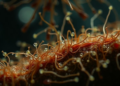
Credit: University of Montana

University of Montana researchers have published new insights in the journal Science on how bacteria cause infections, which may help with future infection treatments.

Rather than studying bacteria, the researchers studied viruses that infect pathogenic bacteria, known as bacteriophages, as part of a National Institutes of Health grant to help develop a vaccine against bacterial infection.

“Bacteriophages are typically viewed as bacterial parasites,” said Patrick Secor, an assistant professor at UM and a co-author on the paper. “Because of the increasing prevalence of antibiotic-resistant bacteria, people are really getting interested in using bacteriophages (phage therapy) as an alternative to antibiotics to kill pathogenic bacteria.”

The bacteriophage used for phage therapy kill their bacterial hosts. Bacteriophages are diverse and considered the most prevalent biological entity on the planet.

“When we looked for bacteriophages that infected the bacterial pathogen Pseudomonas aeruginosa, we found that most strains were infected with bacteriophages called Pf that do not kill their bacterial host,” Secor said.

When Secor and researchers at Stanford University looked for Pf bacteriophage in human wounds, they were surprised to find large numbers of the filamentous bacteriophage – an average of one million Pf bacteriophages per swab.

Secor and his group previously had made discoveries on how Pf bacteriophages affect bacterial virulence.

“Eventually, we asked ourselves if it was possible that these Pf bacteriophages interacted directly with the human immune system,” Secor said.

Secor and collaborators at Stanford University discovered that Pf bacteriophages are recognized as viruses by immune cells, and the same cell-surface receptors that recognize cold viruses also recognize bacteriophage.

“This was a key finding,” Secor said. “These bacteriophages are inducing an anti-viral response, which is an inappropriate immune response in the face of a bacterial infection.”

The researchers believe this inappropriate immune response allows the bacteria to gain a foothold in wounds or lungs to establish an infection. The researchers hope that their findings will spur new research into developing therapeutic strategies to treat bacterial infections through targeting bacteriophage.

###

Read the article, “Bacteriophage Trigger Anti-Viral Immunity and Prevent Clearance of Bacterial Infection,” online at https://bit.ly/2FIzHKK.

Media Contact
Patrick Secor
[email protected]

Original Source

http://news.umt.edu/2019/03/032919viru.php

Tags: BacteriologyBiology
Share12Tweet8Share2ShareShareShare2

Related Posts

From Complexity to Clarity: Unraveling the “Topological Laws” Governing Cell Death — Biology

From Complexity to Clarity: Unraveling the “Topological Laws” Governing Cell Death

May 11, 2026
New Classification Framework Identifies Tumor-Associated Bacterial Effectors as Crucial Drivers of Tumor Biology and Immune Response — Biology

New Classification Framework Identifies Tumor-Associated Bacterial Effectors as Crucial Drivers of Tumor Biology and Immune Response

May 11, 2026

HIV-1 Strains Reveal Varied Paths to Antibody Escape

May 11, 2026

CRISPRi Screening Identifies Fungal-Specific Drug Targets

May 11, 2026
Please login to join discussion

POPULAR NEWS

  • Research Indicates Potential Connection Between Prenatal Medication Exposure and Elevated Autism Risk

    841 shares
    Share 336 Tweet 210
  • New Study Reveals Plants Can Detect the Sound of Rain

    728 shares
    Share 290 Tweet 182
  • Salmonella Haem Blocks Macrophages, Boosts Infection

    62 shares
    Share 25 Tweet 16
  • Breastmilk Balances E. coli and Beneficial Bacteria in Infant Gut Microbiomes

    57 shares
    Share 23 Tweet 14

About

We bring you the latest biotechnology news from best research centers and universities around the world. Check our website.

Follow us

Recent News

Humans and Zebra Finches Share Similar Speech Learning Techniques #ASA190

New Study Uncovers How Fungal Parasites Attack Strawberries and Raspberries

City of Hope Researchers to Present Groundbreaking Immunotherapy and Precision Medicine Advances Across Multiple Cancer Types at ASCO 2026

Subscribe to Blog via Email

Enter your email address to subscribe to this blog and receive notifications of new posts by email.

Join 82 other subscribers
  • Contact Us

Bioengineer.org © Copyright 2023 All Rights Reserved.

Welcome Back!

Login to your account below

Forgotten Password?

Retrieve your password

Please enter your username or email address to reset your password.

Log In
No Result
View All Result
  • Homepages
    • Home Page 1
    • Home Page 2
  • News
  • National
  • Business
  • Health
  • Lifestyle
  • Science

Bioengineer.org © Copyright 2023 All Rights Reserved.