

• HOME
  • NEWS
  • EXPLORE
    • CAREER
      • Companies
      • Jobs
    • EVENTS
    • iGEM
      • News
      • Team
    • PHOTOS
    • VIDEO
    • WIKI
  • BLOG
  • COMMUNITY
    • FACEBOOK
    • INSTAGRAM
    • TWITTER
Wednesday, October 7, 2026
BIOENGINEER.ORG
No Result
View All Result
  • Login
  • HOME
  • NEWS
  • EXPLORE
    • CAREER
      • Companies
      • Jobs
        • Lecturer
        • PhD Studentship
        • Postdoc
        • Research Assistant
    • EVENTS
    • iGEM
      • News
      • Team
    • PHOTOS
    • VIDEO
    • WIKI
  • BLOG
  • COMMUNITY
    • FACEBOOK
    • INSTAGRAM
    • TWITTER
  • HOME
  • NEWS
  • EXPLORE
    • CAREER
      • Companies
      • Jobs
        • Lecturer
        • PhD Studentship
        • Postdoc
        • Research Assistant
    • EVENTS
    • iGEM
      • News
      • Team
    • PHOTOS
    • VIDEO
    • WIKI
  • BLOG
  • COMMUNITY
    • FACEBOOK
    • INSTAGRAM
    • TWITTER
No Result
View All Result
Bioengineer.org
No Result
View All Result
Home Headlines

UH professor wins bronze for research of rare neurological disorder

Bioengineer.org by Bioengineer.org
January 21, 2018
in Headlines, Health, Science News
Reading Time: 2 mins read
0
Share on FacebookShare on TwitterShare on LinkedinShare on RedditShare on Telegram
IMAGE

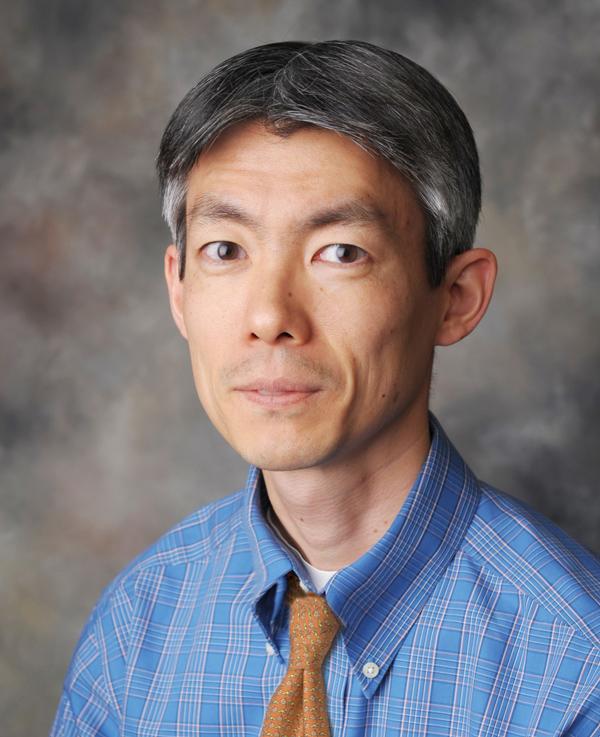
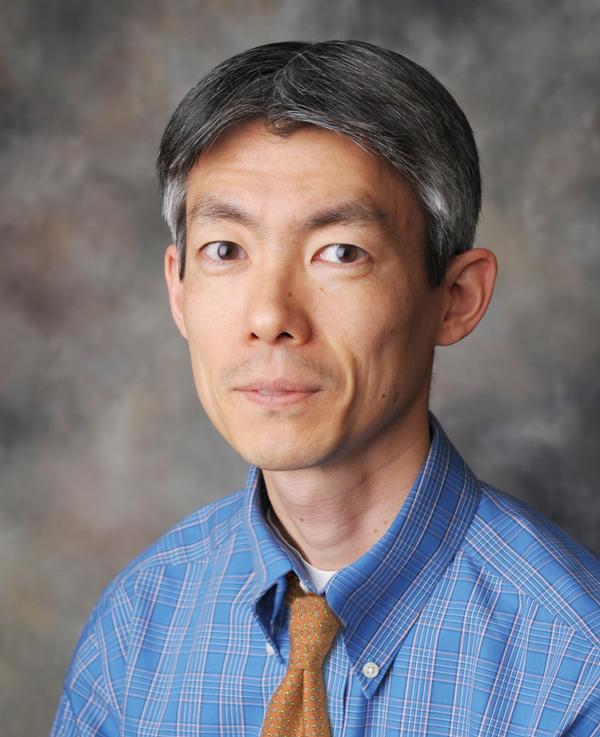
HOUSTON, Nov. 10, 2015 – Michihisa Umetani, assistant professor of biology and biochemistry at the University of Houston's Center for Nuclear Receptors and Cell Signaling, won a Bronze Prize in the BeHEARD 2015 Science Challenge held by the Rare Genomics Institute.

Rare disease researchers traditionally have difficulty attracting funding. BeHEARD – short for Helping Empower and Accelerate Research Discoveries – is a global competition that brings the latest technologies to these researchers. This unique crowdsourced biotechnology contest allows many companies to gather together to make a difference for the rare disease community, with grants that provide the latest life science innovations and technologies.

Umetani, who studies hereditary spastic paraplegia type 5A, will receive technical services valued at $5,000 from the Neuron-Genetics Institute. This prize will help Umetani and his team further research into which loss of function results in hereditary spastic paraplegia type 5A, a human neurological disorder that results in lower extremity spasticity and weakness.

"This disease results from mutations that lose the enzyme function in a gene called CYP7B1, a metabolizing enzyme of a certain type of oxysterol, cholesterol metabolite, called 27-hydroxycholesterol (27HC), Umetani said. "We have been working on the role of 27HC in human physiology and disease, and found that this oxysterol binds to estrogen receptor (ER) and alters ER function."

In the cardiovascular system, estrogen and its receptor have a protective role against vascular inflammation and cardiovascular diseases such as atherosclerosis, a hardening of blood vessels. However, 27HC augments the diseases. In addition, 27HC decreases bone mass and promotes breast tumor progression, all of which are mediated by its ER modulation.

While CYP7B1 mutation, which causes increased levels of 27HC, results in a neurological disorder in humans, the mice deficient in CYP7B1 do not develop motor neuron disease. Using the new technology provided by this prize, Umetani will compare the difference in the phenotypes of CYP7B1 deficiency between humans and mice in an effort to identify the mechanism by which CYP7B1 substrates affect this neurological disorder.

###

Editor's Note: Story courtesy of UH College of Natural Sciences and Mathematics

About the University of Houston

The University of Houston is a Carnegie-designated Tier One public research university recognized by The Princeton Review as one of the nation's best colleges for undergraduate education. UH serves the globally competitive Houston and Gulf Coast Region by providing world-class faculty, experiential learning and strategic industry partnerships. Located in the nation's fourth-largest city, UH serves more than 42,700 students in the most ethnically and culturally diverse region in the country.

To receive UH science news via e-mail, sign up for UH-SciNews at http://www.uh.edu/news-events/mailing-lists/sciencelistserv/index.php.

For more information about UH, visit the university's newsroom at http://www.uh.edu/news-events/.

For additional news alerts about UH, follow us on Facebook at http://www.facebook.com/UHNewsEvents and Twitter at http://twitter.com/UH_News.


Share13Tweet8Share2ShareShareShare2

Related Posts

AI Reads Swallowing Muscles in Ultrasound to Grade Dysphagia Without the Guesswork

AI Reads Swallowing Muscles in Ultrasound to Grade Dysphagia Without the Guesswork

October 7, 2026
Tractor GPS Alone Predicts Silage Bale Yields in Real Time

Tractor GPS Alone Predicts Silage Bale Yields in Real Time

October 7, 2026

Scientists replant Yosemite’s Tuolumne Meadows in race to revive degraded soil

October 7, 2026

Biting Midges in Spain Reveal First Molecular Trace of Avian Malaria Parasites in Leptoconops

October 7, 2026
Please login to join discussion

POPULAR NEWS

  • Alloys That Shrink Their Own Grains: New PIX Mechanism Refines Metals With Heat Alone

    Alloys That Shrink Their Own Grains: New PIX Mechanism Refines Metals With Heat Alone

    29 shares
    Share 12 Tweet 7
  • Endurance Exercise Reshapes the Liver in Males and Females Through Distinct Molecular Routes

    29 shares
    Share 12 Tweet 7
  • Single Transcription Factor PU.1 Rapidly Converts Fibroblasts into Macrophage-Lineage Cells

    29 shares
    Share 12 Tweet 7
  • New Scale Measures How Ready Nurse Educators Really Are for the AI Era

    29 shares
    Share 12 Tweet 7

About

We bring you the latest biotechnology news from best research centers and universities around the world. Check our website.

Follow us

Recent News

Alloys That Shrink Their Own Grains: New PIX Mechanism Refines Metals With Heat Alone

Endurance Exercise Reshapes the Liver in Males and Females Through Distinct Molecular Routes

Single Transcription Factor PU.1 Rapidly Converts Fibroblasts into Macrophage-Lineage Cells

Subscribe to Blog via Email

Success! An email was just sent to confirm your subscription. Please find the email now and click 'Confirm' to start subscribing.

Join 85 other subscribers
  • Contact Us

Bioengineer.org © Copyright 2023 All Rights Reserved.

Welcome Back!

Login to your account below

Forgotten Password?

Retrieve your password

Please enter your username or email address to reset your password.

Log In
No Result
View All Result
  • Homepages
    • Home Page 1
    • Home Page 2
  • News
  • National
  • Business
  • Health
  • Lifestyle
  • Science

Bioengineer.org © Copyright 2023 All Rights Reserved.
