• HOME
  • NEWS
  • EXPLORE
    • CAREER
      • Companies
      • Jobs
    • EVENTS
    • iGEM
      • News
      • Team
    • PHOTOS
    • VIDEO
    • WIKI
  • BLOG
  • COMMUNITY
    • FACEBOOK
    • INSTAGRAM
    • TWITTER
Tuesday, January 13, 2026
BIOENGINEER.ORG
No Result
View All Result
  • Login
  • HOME
  • NEWS
  • EXPLORE
    • CAREER
      • Companies
      • Jobs
        • Lecturer
        • PhD Studentship
        • Postdoc
        • Research Assistant
    • EVENTS
    • iGEM
      • News
      • Team
    • PHOTOS
    • VIDEO
    • WIKI
  • BLOG
  • COMMUNITY
    • FACEBOOK
    • INSTAGRAM
    • TWITTER
  • HOME
  • NEWS
  • EXPLORE
    • CAREER
      • Companies
      • Jobs
        • Lecturer
        • PhD Studentship
        • Postdoc
        • Research Assistant
    • EVENTS
    • iGEM
      • News
      • Team
    • PHOTOS
    • VIDEO
    • WIKI
  • BLOG
  • COMMUNITY
    • FACEBOOK
    • INSTAGRAM
    • TWITTER
No Result
View All Result
Bioengineer.org
No Result
View All Result
Home Headlines

Two differing medications used during heart procedure are both safe…

Bioengineer.org by Bioengineer.org
January 29, 2018
in Headlines, Health, Science News
Reading Time: 2 mins read
0
Share on FacebookShare on TwitterShare on LinkedinShare on RedditShare on Telegram
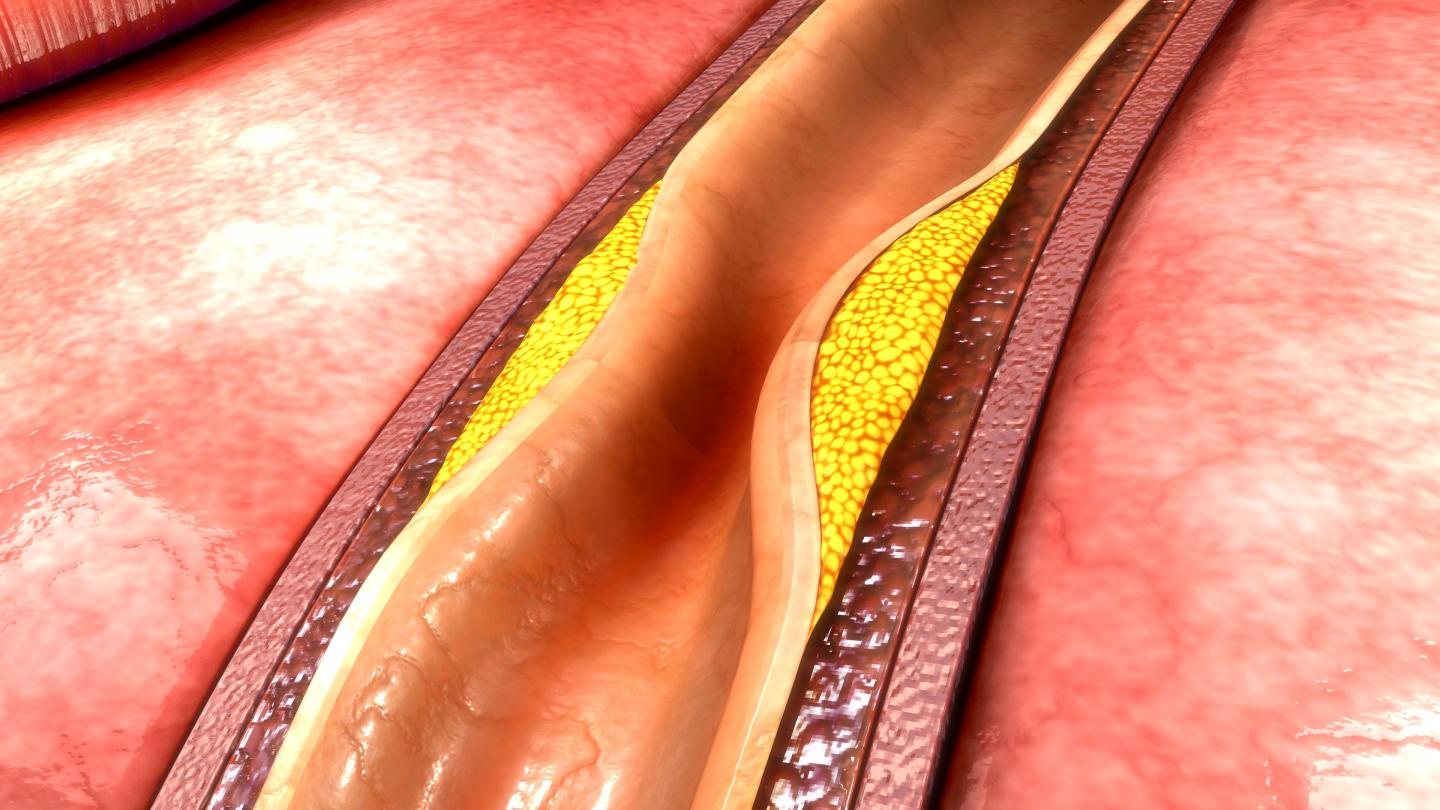
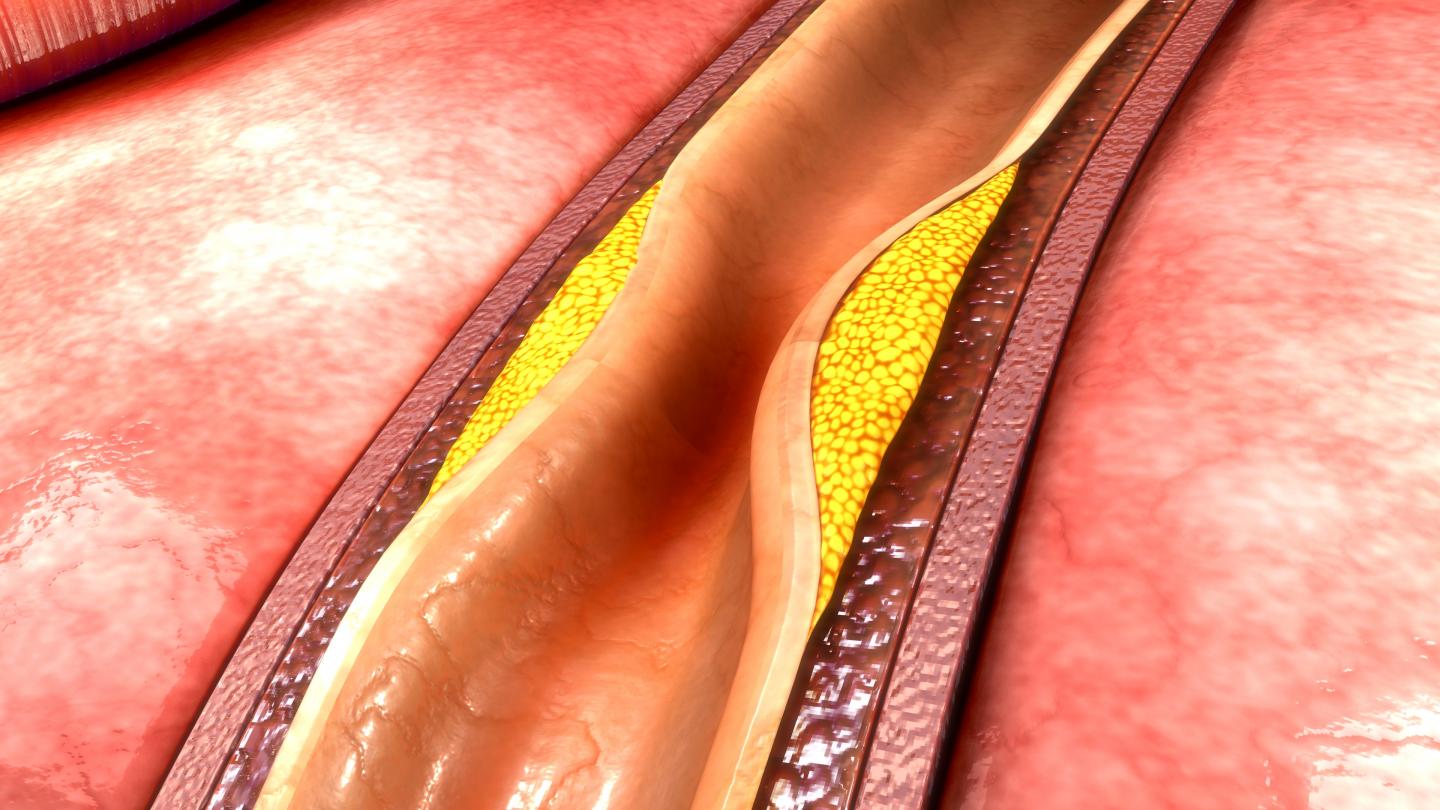
IMAGE

Credit: Intermountain Medical Center Heart Institute

Two differing blood clot prevention medications are just as safe and effective for patients undergoing percutaneous coronary intervention, a non-surgical procedure to open blood vessels narrowed by plaque buildup, according to a new study.

The scientific community has proposed both medications as potentially superior to longer-term anticoagulation treatments for patients undergoing the procedure.

The new study by researchers from the Intermountain Medical Center Heart Institute in Salt Lake City sought to discover which of the two short-term treatment methods –using the drug heparin combined with a short-term (less than six hours) infusion of tirofiban, or short-term periprocedural bivalirudin, another medication that helps prevent blood clots during the procedure — was more effective.

Through this observational study of patients undergoing successful elective percutaneous coronary intervention, the Intermountain researchers found that the risk after 30 days of major bleeding, and one-year risk of death, heart attack and urgent repeat PCI, was low and not significantly different between the two treatment methods.

Results of the study will be presented during the American Heart Association Scientific Sessions in New Orleans on Sunday, November 13, at 3:45 pm, CST.

"Bivalirudin has been considered the gold standard for reducing bleeding during percutaneous coronary intervention, but our study shows heparin plus short-term tirofiban is just as good and possibly better," said Intermountain Medical Center Heart Institute cardiologist J. Brent Muhlestein, MD, the lead author on the study. "The results certainly justify a randomized clinical trial to explore identified trends."

Researchers studied results from patients who underwent percutaneous coronary intervention between January 2013 and December 2015. Of the 857 patients enrolled in the study, 402 received heparin plus short-term tirofiban treatment and 455 received bivalirudin. The patients were between the ages of 51 and 78.

There was a slight reduction in major bleeding and death with the use of heparin plus short-term tirofiban over bivalirudin alone, but due to the overall low incidence of adverse events, the difference did not reach statistical significance.

The 30-day incidence of TIMI major bleeding score was 1.2 percent for patients treated with heparin and tirofiban and 3.1 percent for bivalirudin patients.

###

In addition to Dr. Muhlestein, other members of the Intermountain Medical Center Heart Institute research team include Heidi T. May, PhD; Tami L. Bair; Viet Le, PA; Jeffrey L. Anderson, MD; Brian Whisenant, MD; Kirk U. Knowlton, MD; and Donald L. Lappé, MD.

The Intermountain Medical Center is the flagship facility for the Intermountain Healthcare system, which is based in Salt Lake City.

Media Contact

Jess C. Gomez
[email protected]
801-718-8495
@IntermtnMedCtr

http://www.ihc.com

Share12Tweet8Share2ShareShareShare2

Related Posts

Inflammation and Poor Physical Performance in Older Adults

January 13, 2026

Cystatin C: A Key Biomarker for Diabetic Complications

January 13, 2026

Impact of Workplace Factors on Disability Trajectories

January 13, 2026

Smart Robotics Revolutionize Plant Health and Environment Monitoring

January 13, 2026
Please login to join discussion

POPULAR NEWS

  • Enhancing Spiritual Care Education in Nursing Programs

    154 shares
    Share 62 Tweet 39
  • PTSD, Depression, Anxiety in Childhood Cancer Survivors, Parents

    146 shares
    Share 58 Tweet 37
  • Robotic Ureteral Reconstruction: A Novel Approach

    71 shares
    Share 28 Tweet 18
  • Study Reveals Lipid Accumulation in ME/CFS Cells

    51 shares
    Share 20 Tweet 13

About

We bring you the latest biotechnology news from best research centers and universities around the world. Check our website.

Follow us

Recent News

Inflammation and Poor Physical Performance in Older Adults

Cystatin C: A Key Biomarker for Diabetic Complications

Impact of Workplace Factors on Disability Trajectories

Subscribe to Blog via Email

Enter your email address to subscribe to this blog and receive notifications of new posts by email.

Join 71 other subscribers
  • Contact Us

Bioengineer.org © Copyright 2023 All Rights Reserved.

Welcome Back!

Login to your account below

Forgotten Password?

Retrieve your password

Please enter your username or email address to reset your password.

Log In
No Result
View All Result
  • Homepages
    • Home Page 1
    • Home Page 2
  • News
  • National
  • Business
  • Health
  • Lifestyle
  • Science

Bioengineer.org © Copyright 2023 All Rights Reserved.