

• HOME
  • NEWS
  • EXPLORE
    • CAREER
      • Companies
      • Jobs
    • EVENTS
    • iGEM
      • News
      • Team
    • PHOTOS
    • VIDEO
    • WIKI
  • BLOG
  • COMMUNITY
    • FACEBOOK
    • INSTAGRAM
    • TWITTER
Sunday, November 1, 2026
BIOENGINEER.ORG
No Result
View All Result
  • Login
  • HOME
  • NEWS
  • EXPLORE
    • CAREER
      • Companies
      • Jobs
        • Lecturer
        • PhD Studentship
        • Postdoc
        • Research Assistant
    • EVENTS
    • iGEM
      • News
      • Team
    • PHOTOS
    • VIDEO
    • WIKI
  • BLOG
  • COMMUNITY
    • FACEBOOK
    • INSTAGRAM
    • TWITTER
No Result
View All Result
Bioengineer.org
No Result
View All Result
Home NEWS Science News Health

TSI outperforms TRAb for tracking Graves’ disease activity and relapse risk in retrospective cohort

by
October 29, 2026
in Health
Reading Time: 2 mins read
0
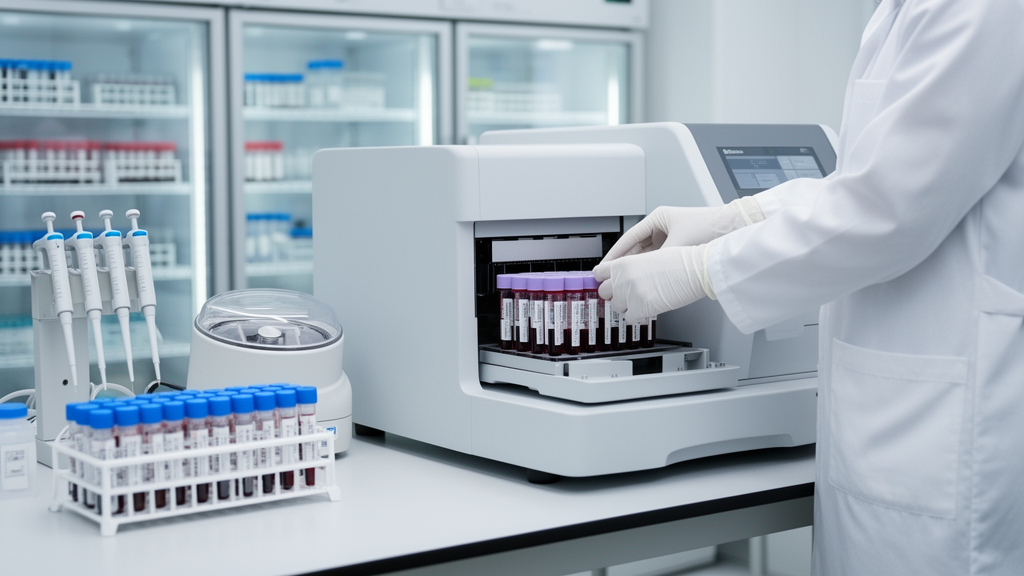
TSI outperforms TRAb for tracking Graves' disease activity and relapse risk in retrospective cohort

TSI outperforms TRAb for tracking Graves' disease activity and relapse risk in retrospective cohort

Share on FacebookShare on TwitterShare on LinkedinShare on RedditShare on Telegram

Thyroid-stimulating immunoglobulin (TSI) may be a more informative marker than the standard thyrotropin receptor antibody (TRAb) test for monitoring Graves’ disease, according to a retrospective analysis of 330 patients treated at Guangzhou Red Cross Hospital between January 2023 and March 2026. The study, published in BMC Endocrine Disorders, compared the two antibodies across treatment outcomes, disease duration and thyroid function measures.

The research team stratified patients by their TSI and TRAb levels and by treatment outcome, grouping them into those who relapsed, those who stopped medication, and those who continued treatment without remission, then analyzed antibody levels, thyroid function and clinical data across these groups and across disease-duration strata.

The results pointed to differences between the two antibodies. In patients who were TRAb-negative but TSI-positive, median TRAb levels were higher than in patients negative for both antibodies, indicating that some discordance exists between the assays. Among patients positive for both antibodies, the TRAb-positive/TSI-positive group showed significantly higher free T3 levels and lower TSH levels than the TRAb-positive/TSI-negative group, suggesting that TSI positivity tracks more closely with active thyroid overactivity.

The clearest separation emerged in the treatment-outcome analysis. TSI levels were significantly higher in the relapse group than in the group that successfully withdrew from medication, whereas TRAb levels did not differ significantly between these two groups. In addition, higher TSI levels were associated with longer drug-withdrawal duration and longer overall disease duration among patients who relapsed, positioning TSI as a candidate marker for relapse risk assessment.

Across disease-duration groups, both TSI and TRAb levels were highest in patients within four months of diagnosis and were lower in groups with longer disease duration, a pattern consistent with declining antibody levels over the course of treatment. The authors conclude that TSI reflects response to antithyroid drug therapy and disease activity, and showed potential utility in guiding the timing of drug withdrawal and assessing relapse risk in this cohort.

The study’s authors caution that these findings require validation in larger, prospective studies. As a retrospective, single-center analysis, the work establishes associations within one cohort rather than demonstrating that TSI-guided decisions improve clinical outcomes, and the conclusions should be read in that context.

Subject of Research: Comparison of TSI and TRAb antibodies for monitoring Graves' disease, predicting relapse and guiding antithyroid drug withdrawal

Article Title: TSI vs. TRAb in Graves’ disease: treatment monitoring, relapse prediction, and drug withdrawal decisions

Article References: Zhou, X., Chen, H., Jiang, X., Ke, X., Liu, J., Chen, C., Zhu, P., Tan, R., & Ran, J. (2026). TSI vs. TRAb in Graves’ disease: treatment monitoring, relapse prediction, and drug withdrawal decisions. BMC Endocrine Disorders. https://doi.org/10.1186/s12902-026-02695-z

Image Credits: AI Generated

DOI: 10.1186/s12902-026-02695-z

Keywords: Graves' disease, TSI, TRAb, hyperthyroidism, antithyroid drugs, relapse prediction, drug withdrawal, thyroid function, retrospective study, BMC Endocrine Disorders, Graves, disease

News Source: Ophelia Keating. (October 29, 2026). TSI outperforms TRAb for tracking Graves’ disease activity and relapse risk in retrospective cohort. Scienmag.


Tags: antithyroid drugsBMC Endocrine Disordersdiseasedrug withdrawalGravesGraves' diseasehyperthyroidismrelapse predictionRetrospective studythyroid functionTRAbTSI
Share12Tweet7Share2ShareShareShare1

Related Posts

ZNF207 shields glutamine transporter ASCT2 from degradation to fuel liver cancer growth

ZNF207 shields glutamine transporter ASCT2 from degradation to fuel liver cancer growth

October 30, 2026
Most Ethiopian HIV patients on dolutegravir therapy show good knowledge, survey finds

Most Ethiopian HIV patients on dolutegravir therapy show good knowledge, survey finds

October 30, 2026

Serum and urine protein biomarkers may sharpen prostate cancer detection beyond PSA

October 30, 2026

One gene locus flags atrial fibrillation risk after major surgery, UK Biobank study finds

October 30, 2026

POPULAR NEWS

  • Microbial Sources and Stress Shape the Hidden Endophytes of an Invasive Plant

    Microbial Sources and Stress Shape the Hidden Endophytes of an Invasive Plant

    29 shares
    Share 12 Tweet 7
  • Firebreaks Leave Lasting Scars in Grasslands While Wildfire Heals Fast

    29 shares
    Share 12 Tweet 7
  • ZNF207 shields glutamine transporter ASCT2 from degradation to fuel liver cancer growth

    29 shares
    Share 12 Tweet 7
  • Systematic review maps sustainability tensions in offshore wind development

    29 shares
    Share 12 Tweet 7

About

We bring you the latest biotechnology news from best research centers and universities around the world. Check our website.

Follow us

Recent News

Microbial Sources and Stress Shape the Hidden Endophytes of an Invasive Plant

Firebreaks Leave Lasting Scars in Grasslands While Wildfire Heals Fast

ZNF207 shields glutamine transporter ASCT2 from degradation to fuel liver cancer growth

Subscribe to Blog via Email

Enter your email address to subscribe to this blog and receive notifications of new posts by email.

Join 86 other subscribers
  • Contact Us

Bioengineer.org © Copyright 2023 All Rights Reserved.

Welcome Back!

Login to your account below

Forgotten Password?

Retrieve your password

Please enter your username or email address to reset your password.

Log In
No Result
View All Result
  • Homepages
    • Home Page 1
    • Home Page 2
  • News
  • National
  • Business
  • Health
  • Lifestyle
  • Science

Bioengineer.org © Copyright 2023 All Rights Reserved.
